Riding South – Portugal ACT Adventure
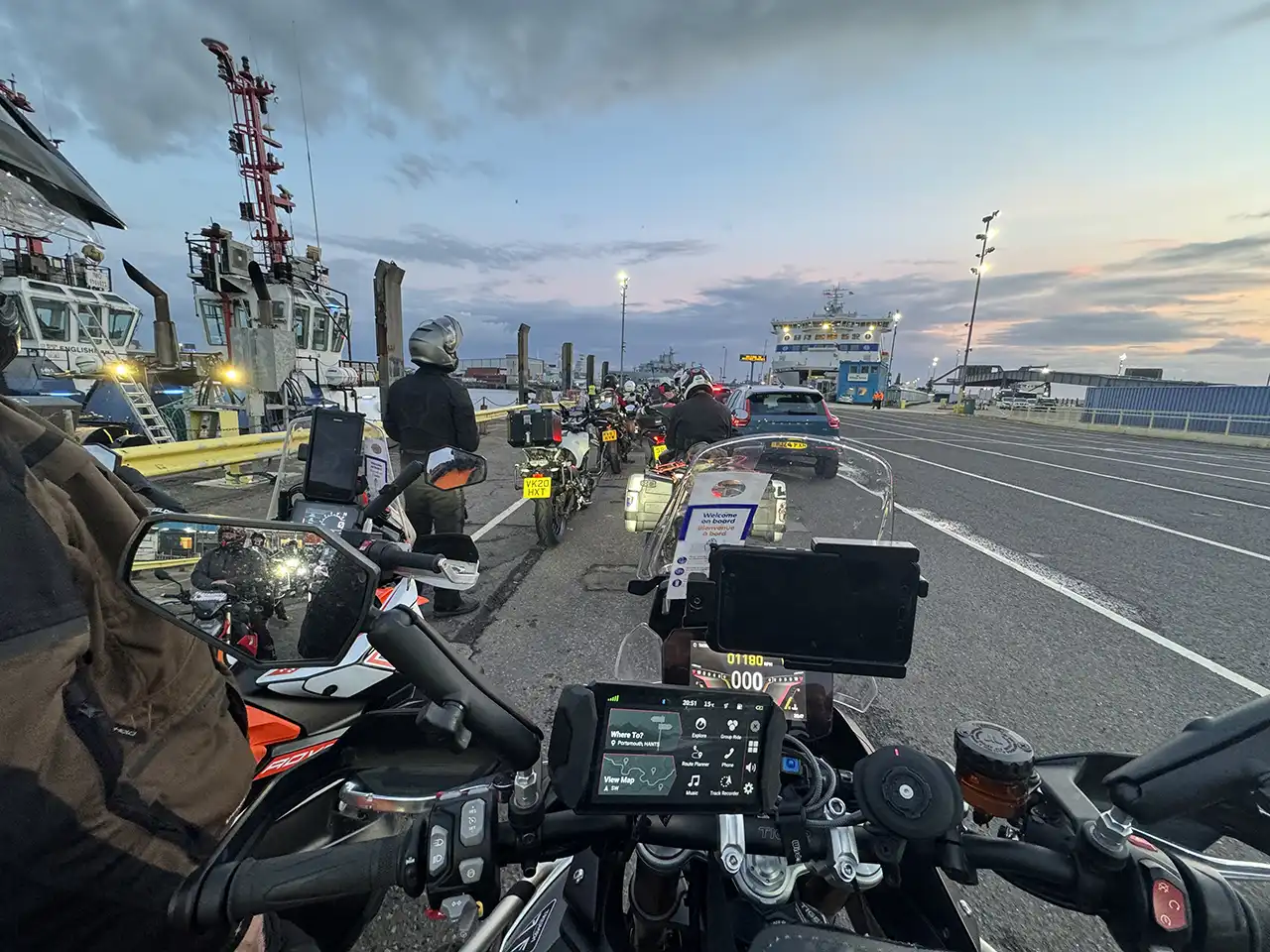
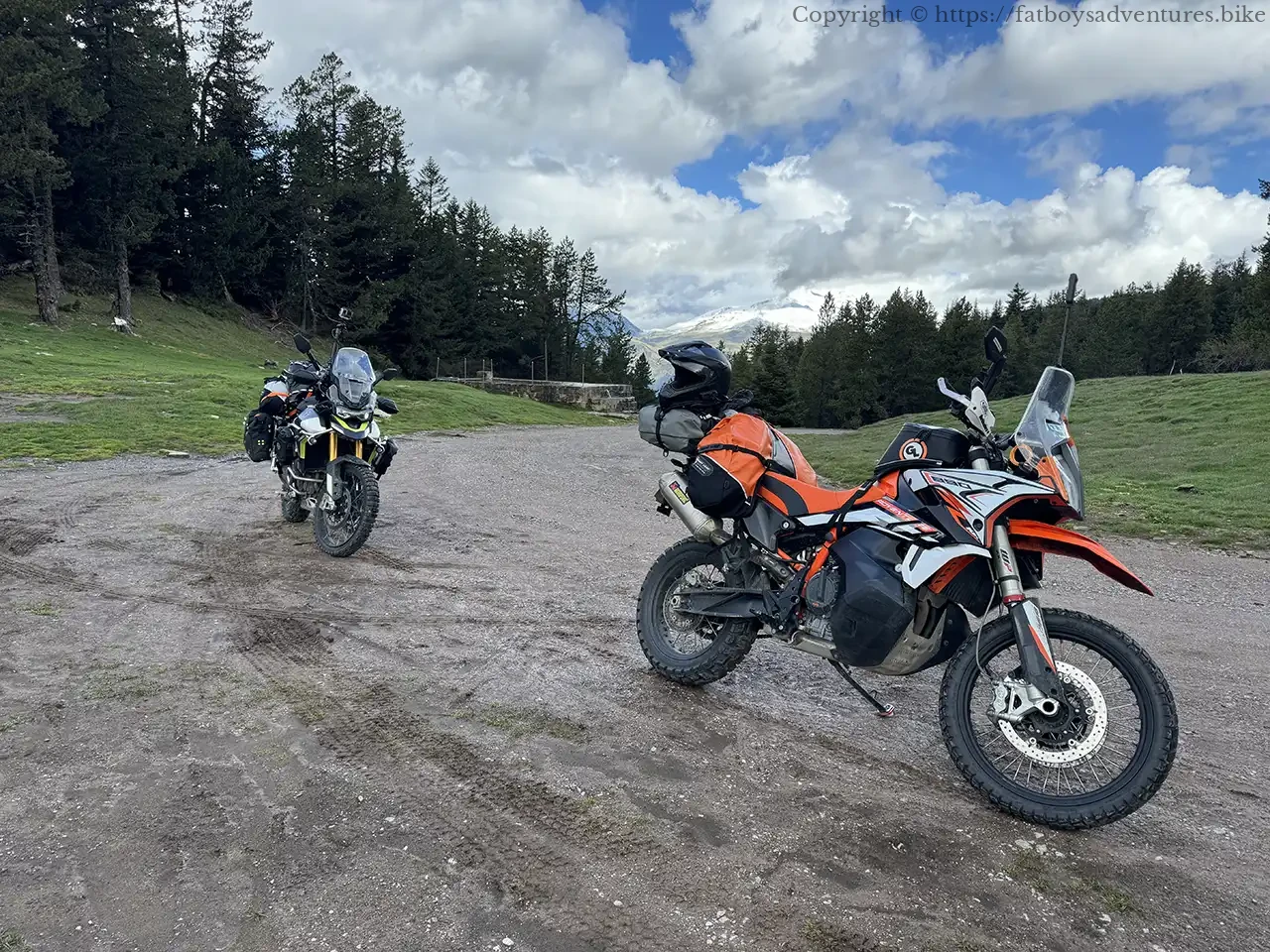
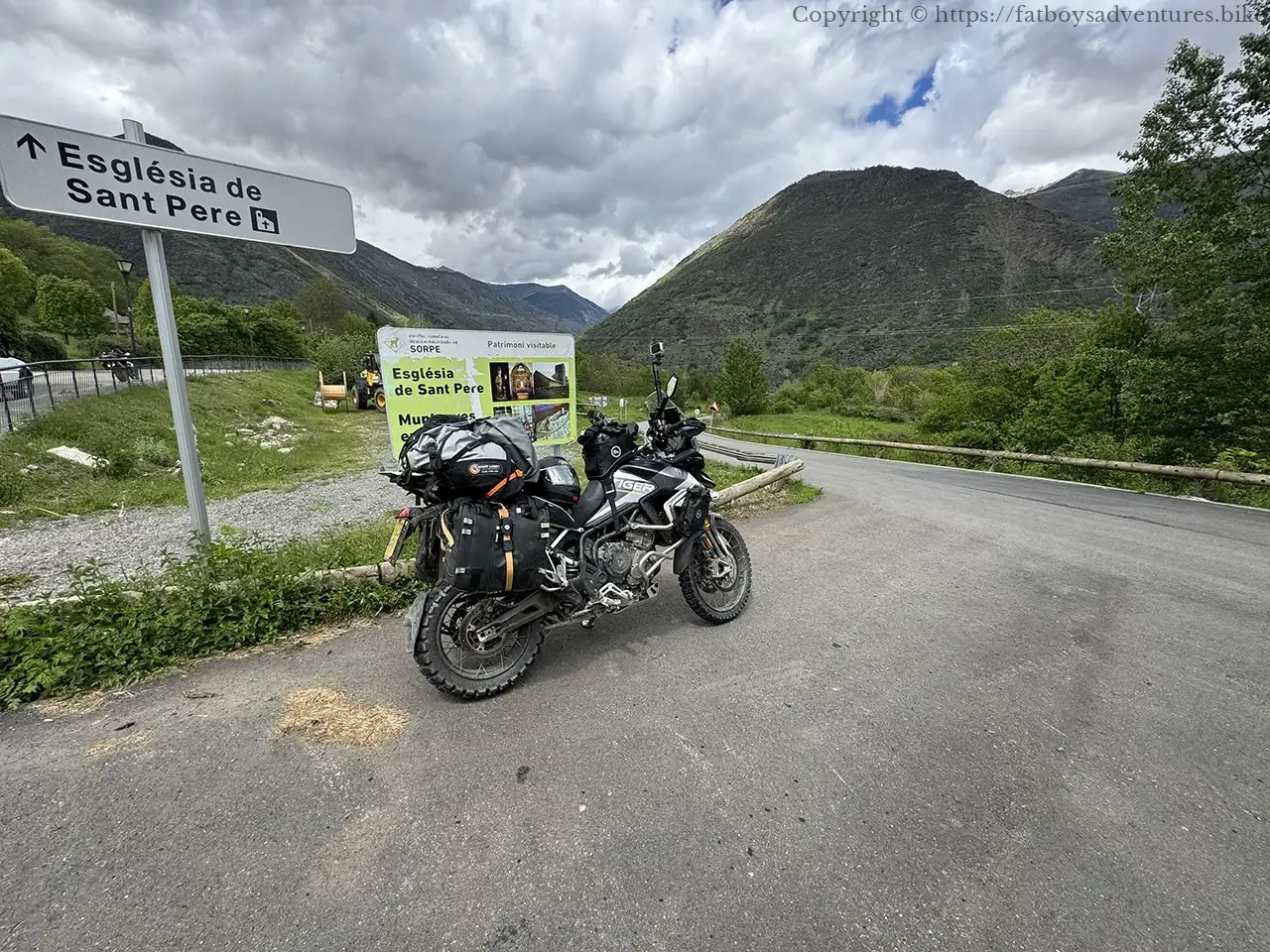
Every year we try to get at least one proper ride in, and this time the destination was Portugal, following sections of the ACT adventure route across the country. This ride to Portugal looked exactly like that when we first put it together, with the plan being to take the ferry from Plymouth to Santander, head south into Portugal, pick up sections of the Portugal Adventure Country Tracks route, work our way down through the country, and then loop back north through Spain before catching the ferry home.
What none of us had really accounted for was just how much the weather would end up reshaping the whole thing. June 2025 had Portugal in the grip of a proper heatwave, and once we were inland it became obvious very quickly that this was not going to be the sort of trip where you happily spend long afternoons drifting along dusty trails. By the time the clock was getting towards eleven in the morning, the temperature had already become oppressive enough to force a rethink, and from that point on the trip naturally settled into a completely different rhythm from the one we had originally imagined.
Instead of following the route in the neat, tidy way it had looked on the map, we found ourselves adapting almost immediately to what the country was throwing at us. The pattern became very clear: get moving as early as possible, ride a couple of hours of the ACT while the air was still manageable, and then come off the dirt before the heat became too much to ignore. It changed the trip completely, but not in a bad way, because in the end it gave the whole journey its own character and made it memorable for reasons we had never expected at the start.
The Ferry South
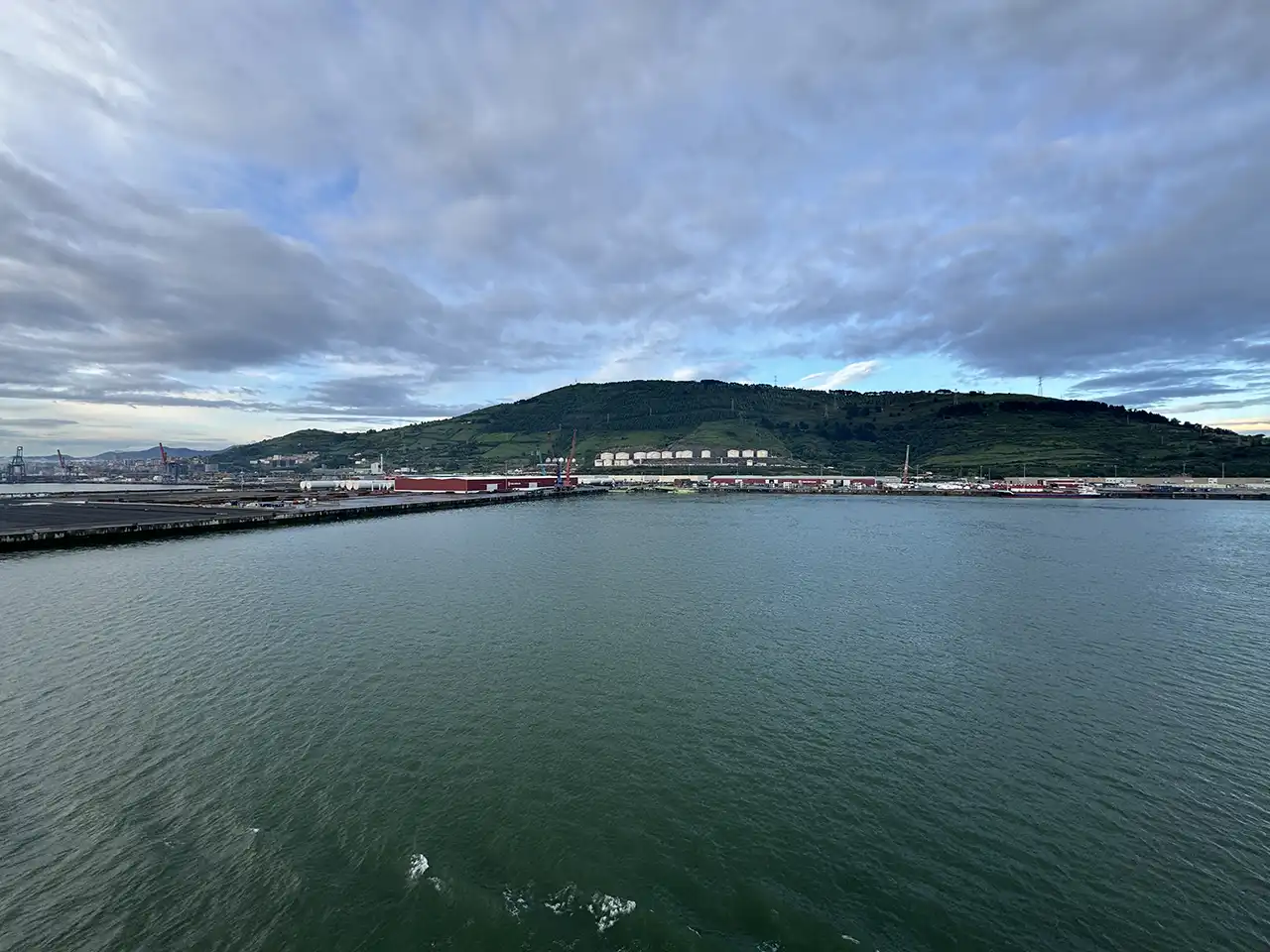
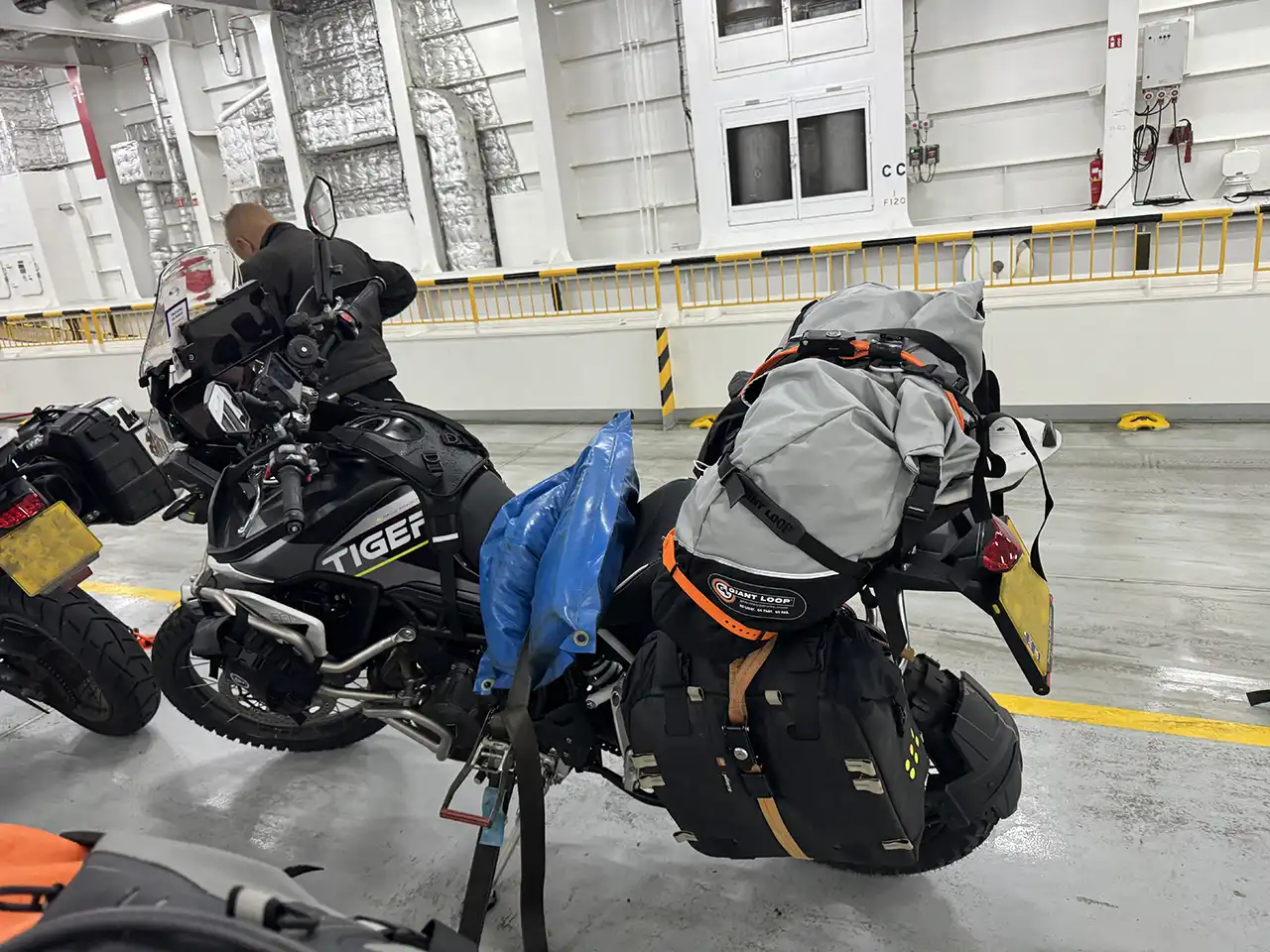
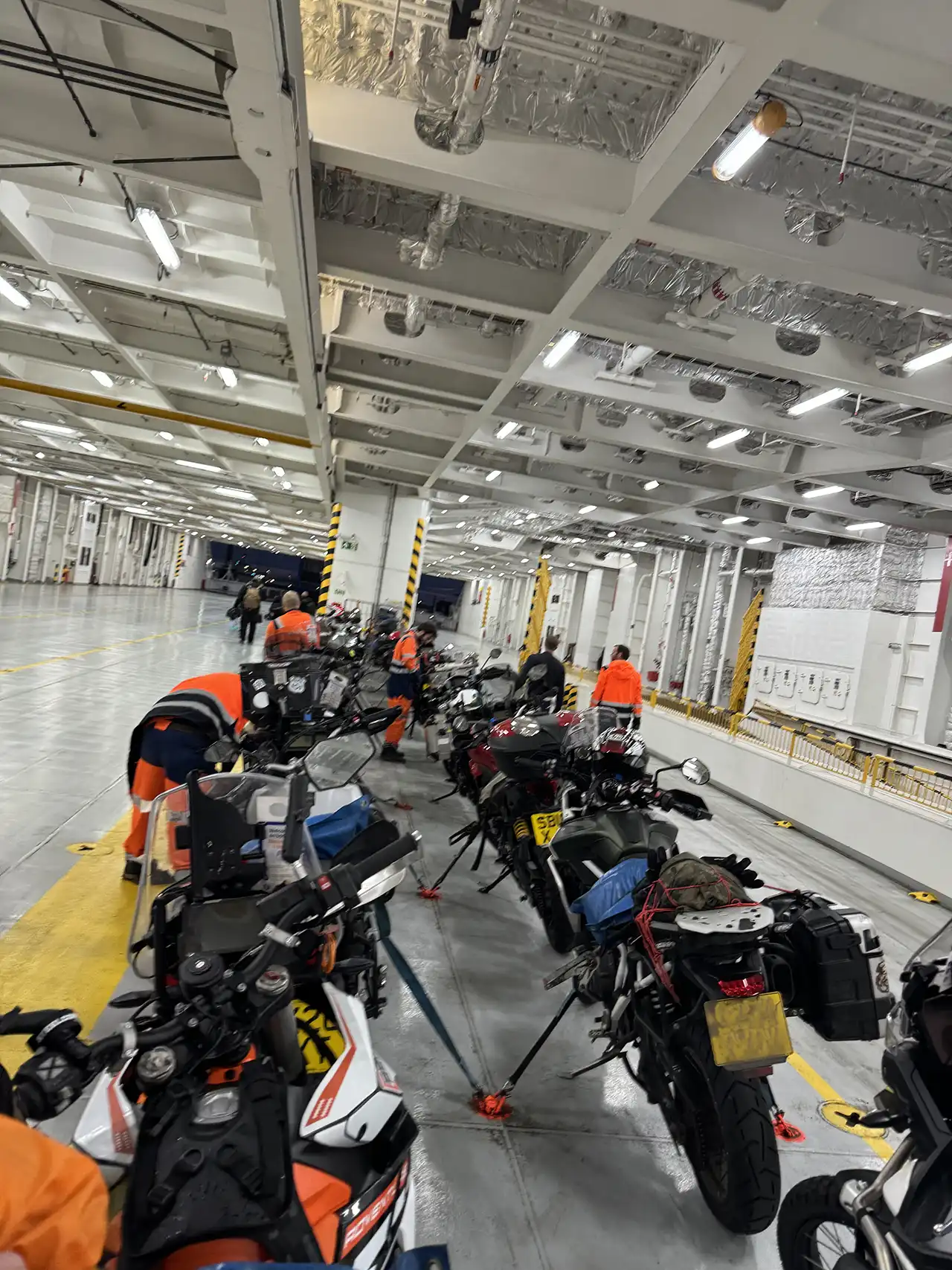
There is always something about leaving the UK by ferry that makes a trip feel more serious from the very beginning, because the moment the bikes are tied down on the vehicle deck and you finally walk away from them, the whole thing stops being an idea and starts becoming real. You are no longer talking about where you are going or checking routes on a screen at home, because the country is already slipping away behind you and all that matters now is what happens when the ferry doors open again on the other side.
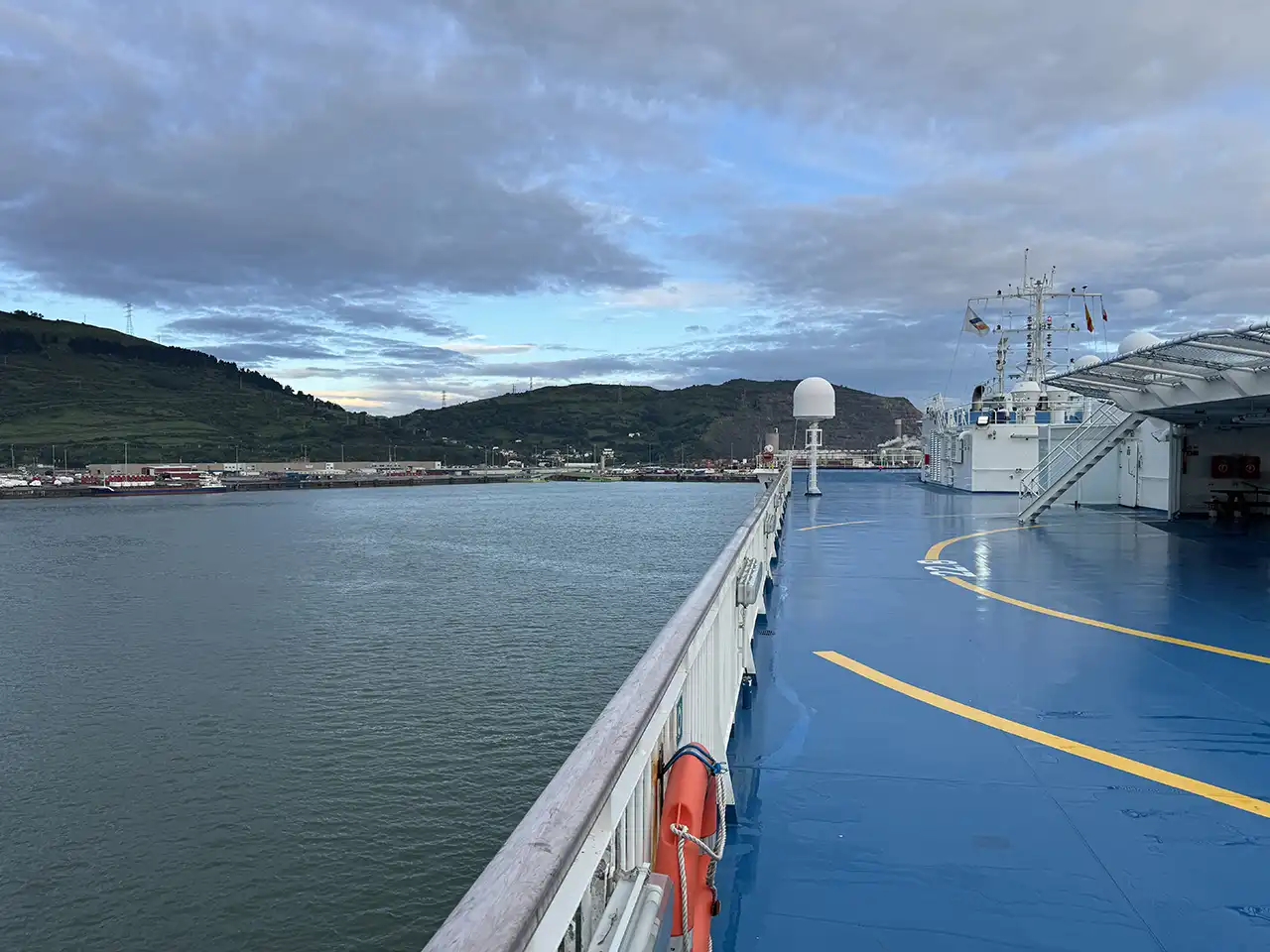
Rolling off into Santander brings that feeling home straight away, because almost immediately you notice how different everything feels. The roads open up, the traffic starts to thin out, and even the simple act of heading south feels easier and more relaxed than it does back home. The first run down towards Bragança was mostly about covering distance rather than doing anything especially adventurous, but even that felt enjoyable, with long sweeping roads, smooth surfaces, and drivers who seemed far more aware of motorcycles than we are used to in the UK.
By the time we reached Bragança in Portugal, there was that familiar shift that happens at the start of a proper journey, where the travelling itself begins to fade into the background and the trip starts to feel established. Up until then we had been in transit, moving from the ferry towards the start of whatever the ride was going to become, but by the time we arrived there it felt as though we had properly entered the trip itself.
Into Portugal
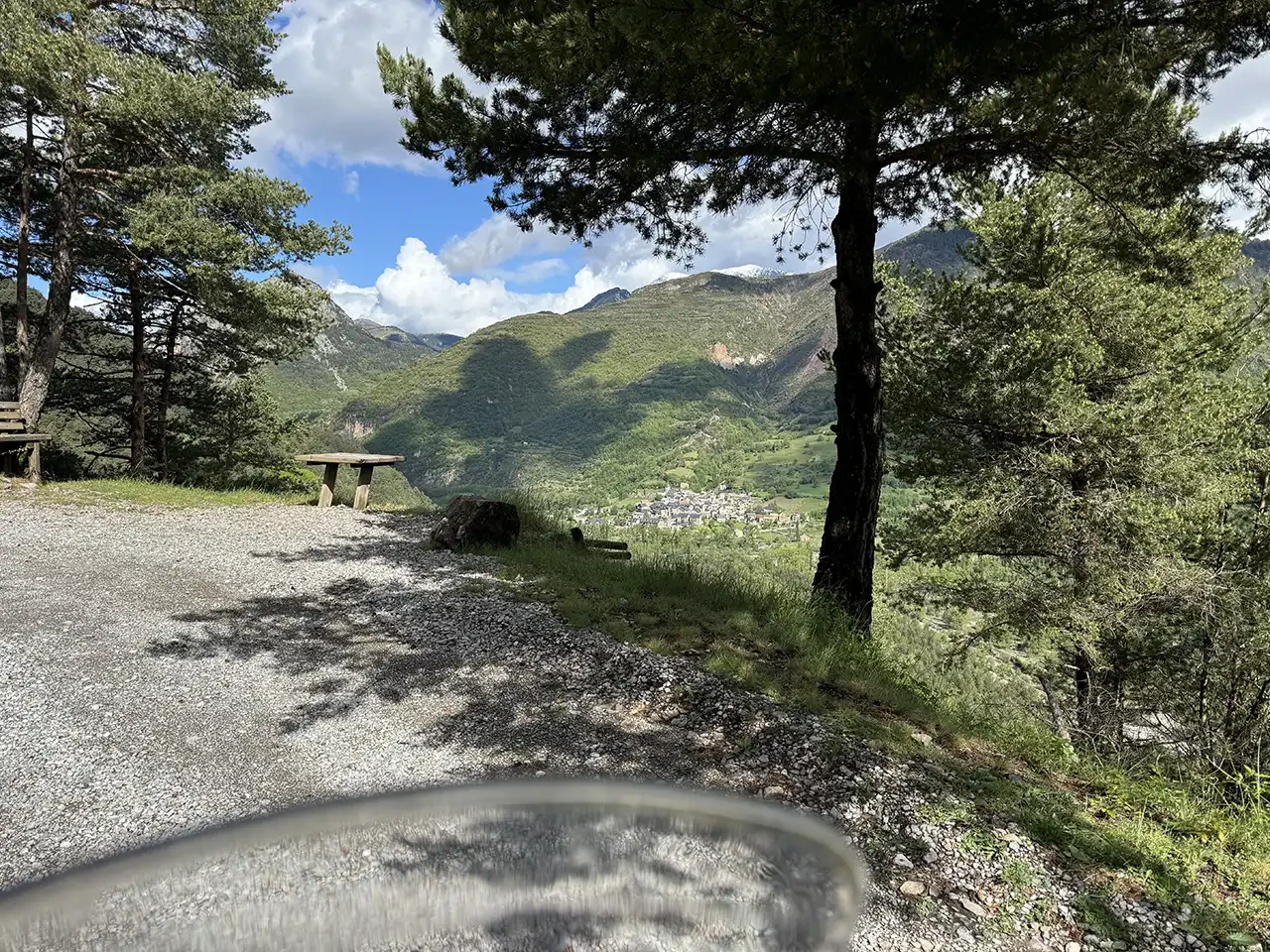
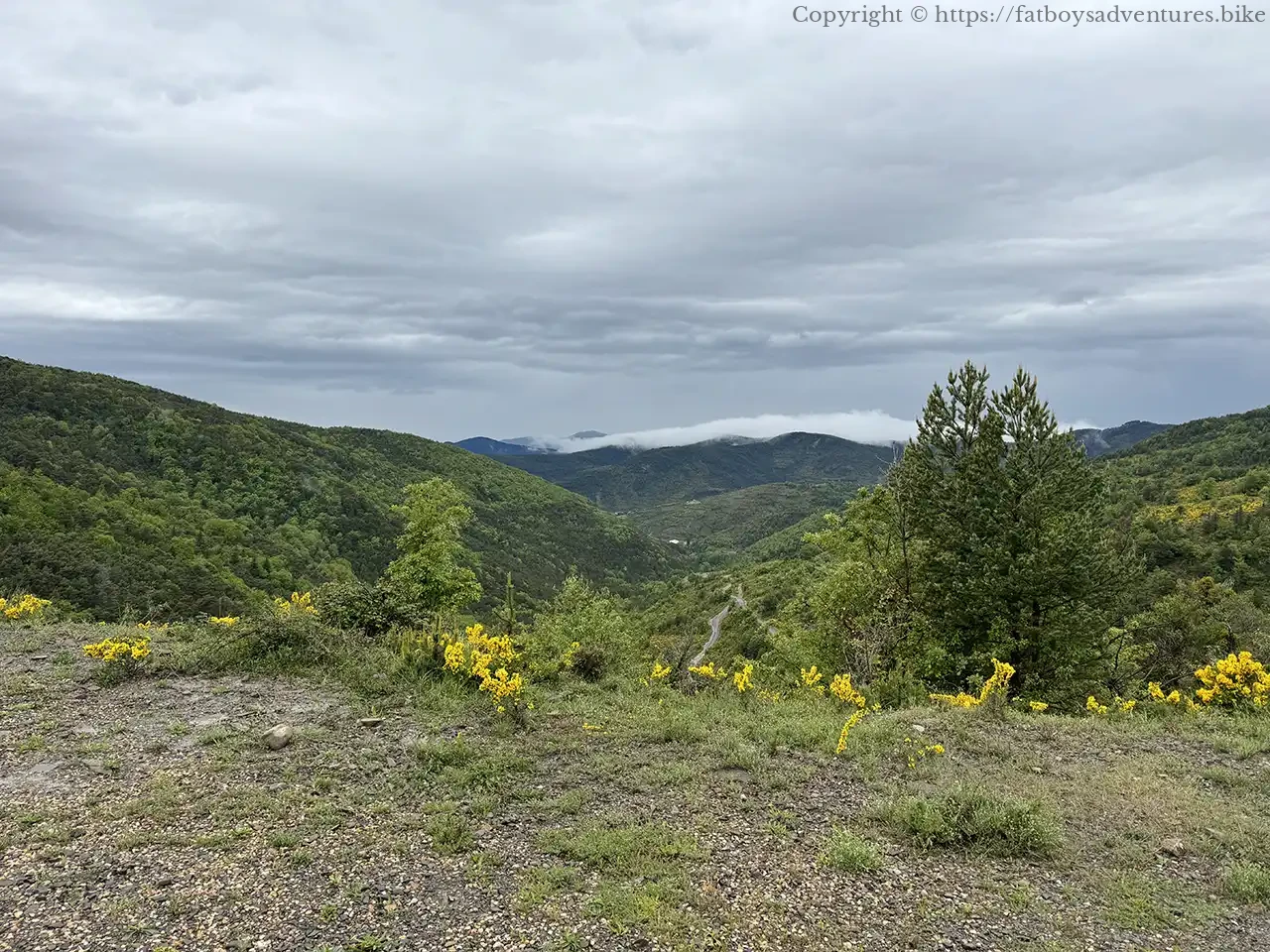
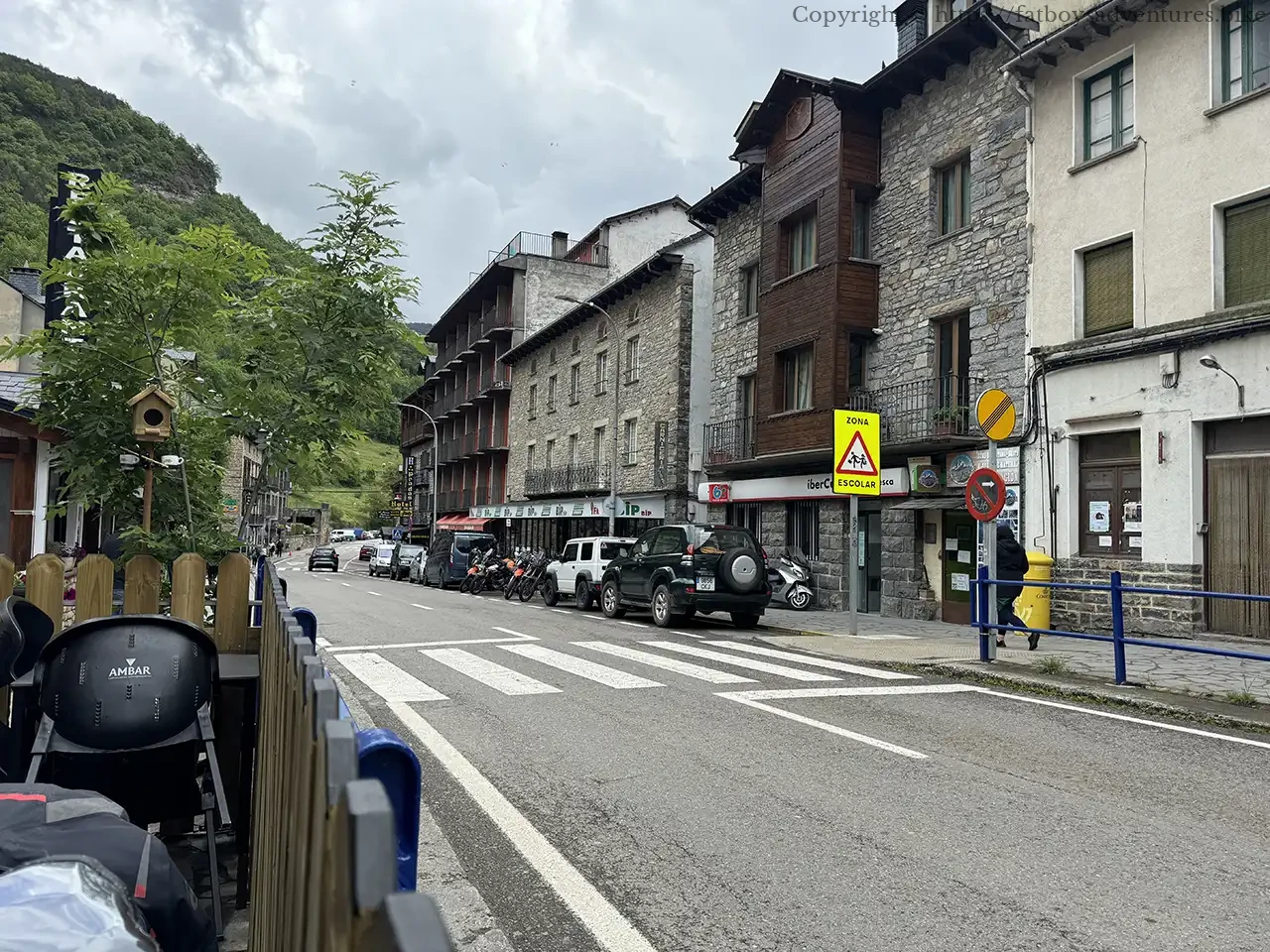
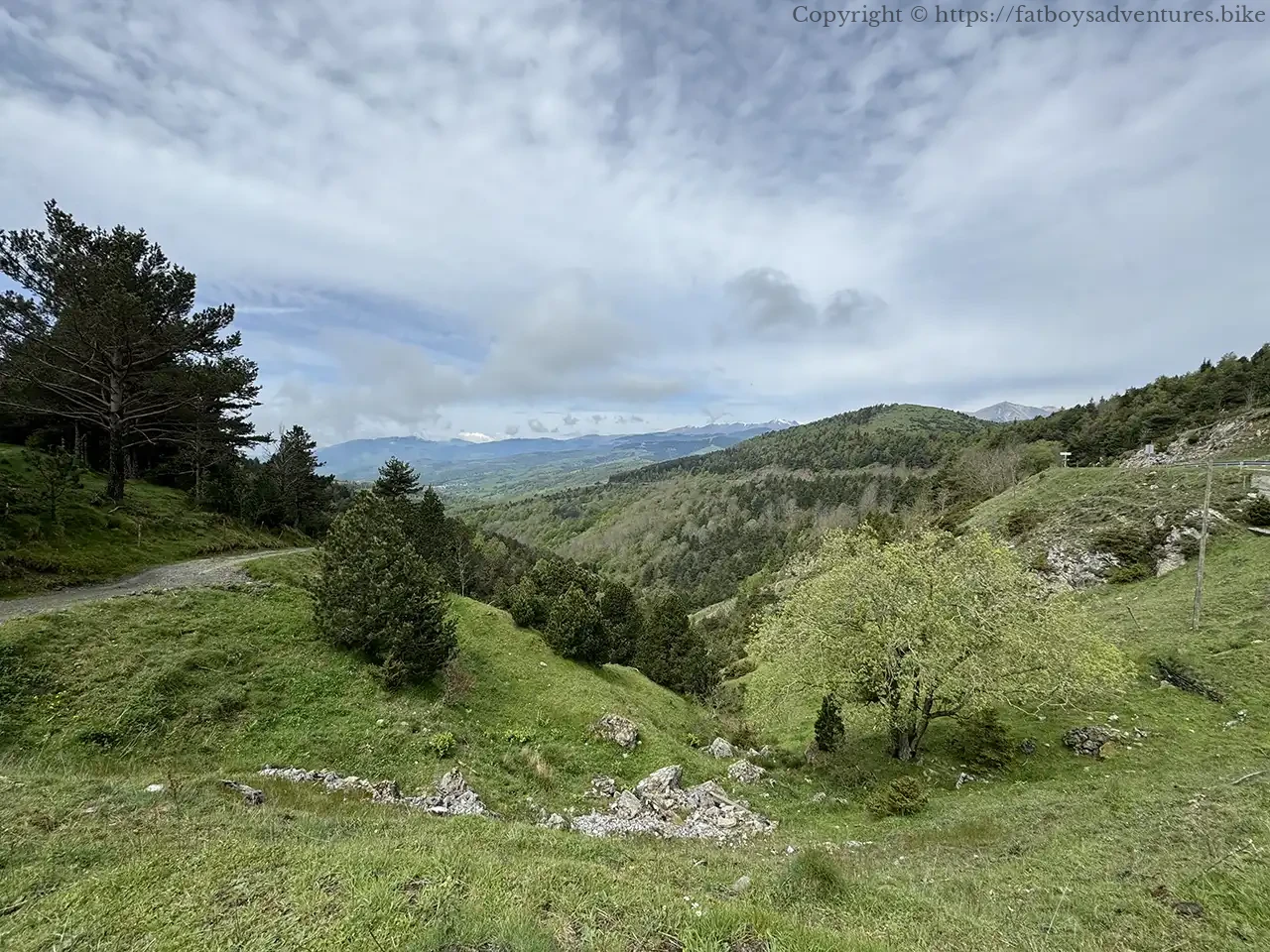
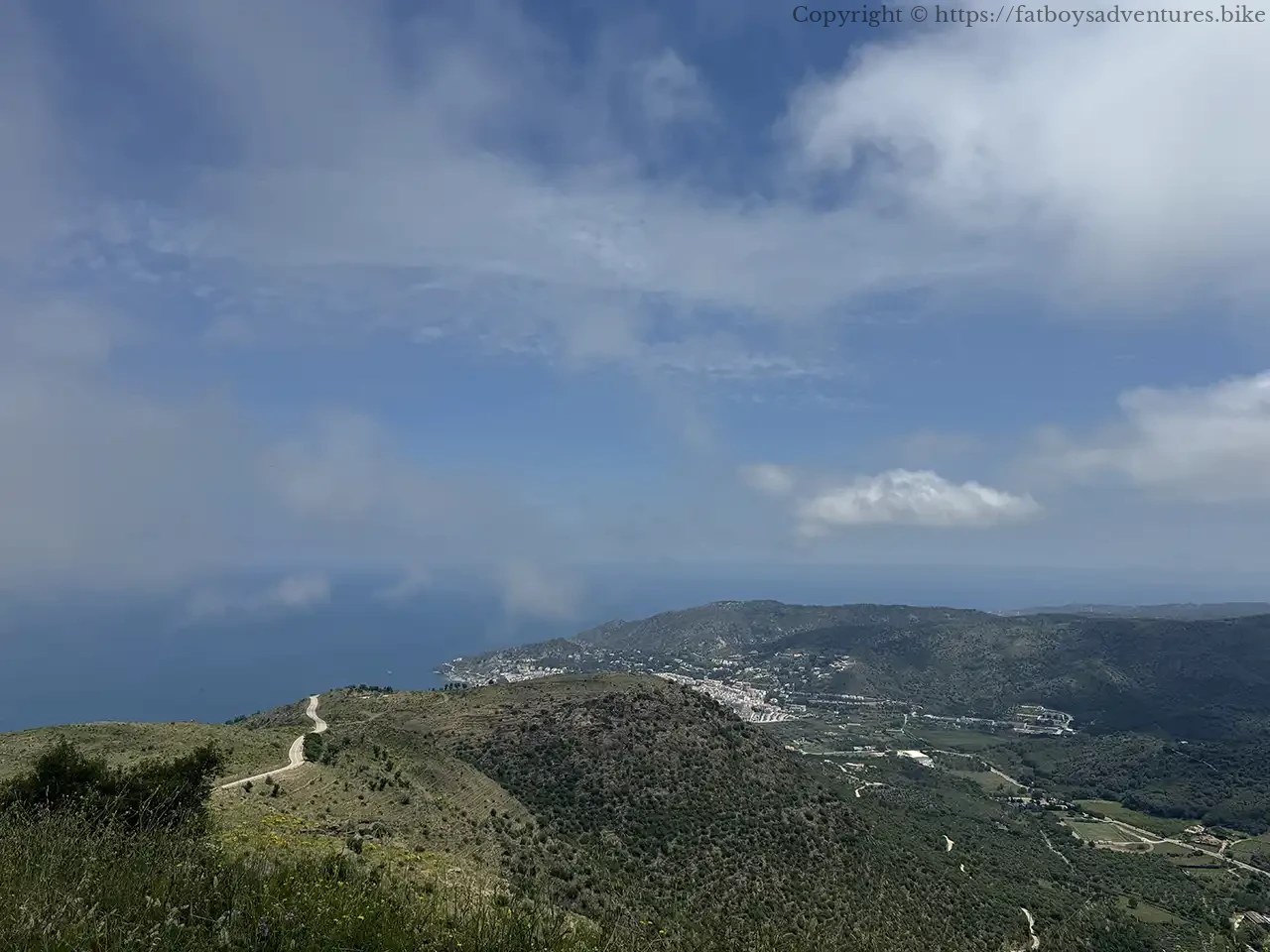
Northern Portugal has its own atmosphere, and it is one that settles on you quite quickly once you leave the larger roads behind. It feels quieter than Spain in some ways, a little less hurried, with a landscape that opens out into broad valleys, rolling hills and long empty sections that seem to draw you onwards without any need to rush. Bragança was the first proper stop before we worked south through Mogadouro, Celorico da Beira, Fundão, Belver and Terena, and while those places may only look like overnight stops when you see them listed on an itinerary, they quickly become much more than that once you are living the trip from one day to the next.
Each of those places became part of the rhythm of the ride, not because they were tourist destinations in themselves, but because they marked the end of one day and the start of another, and each evening gave us a fresh chance to work out how we were going to deal with the next stage of the heat. On paper the route still looked the same, but the reality of riding through those conditions meant that every stop also became a pause to assess how much of the original plan was realistic and how much needed to be adjusted if we were going to keep the whole thing enjoyable rather than simply endure it.
What became obvious very early on was that the route was no longer the main thing dictating the shape of the days. The weather was. We could still ride the ACT, and we did, but only in the hours when the country would allow it. Once the sun had climbed high enough, everything changed, and from then on it was the heat, not the route file, that told us what the rest of the day was going to look like.
Heat, Dust and Early StartS IN PORTUGAL
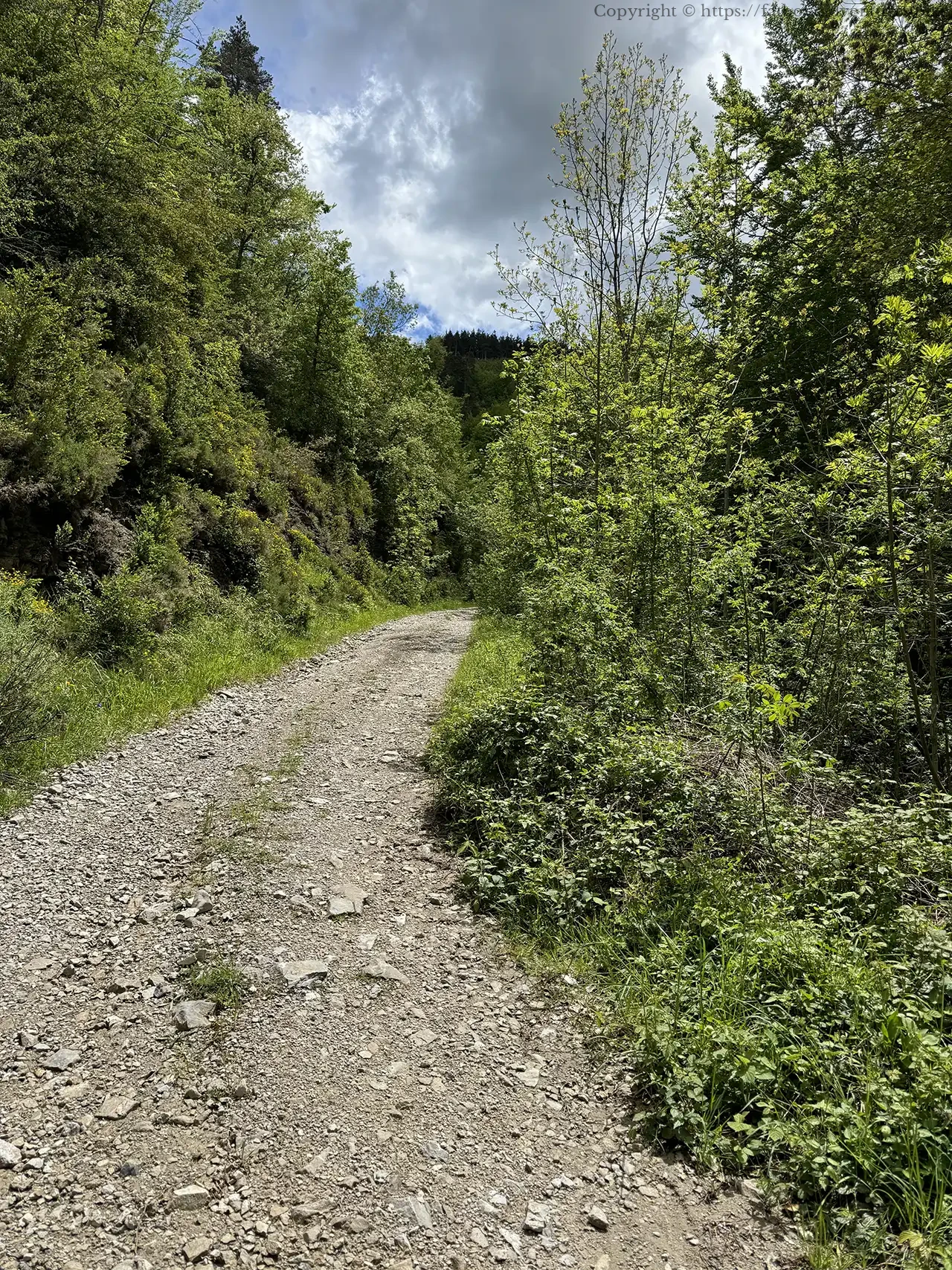
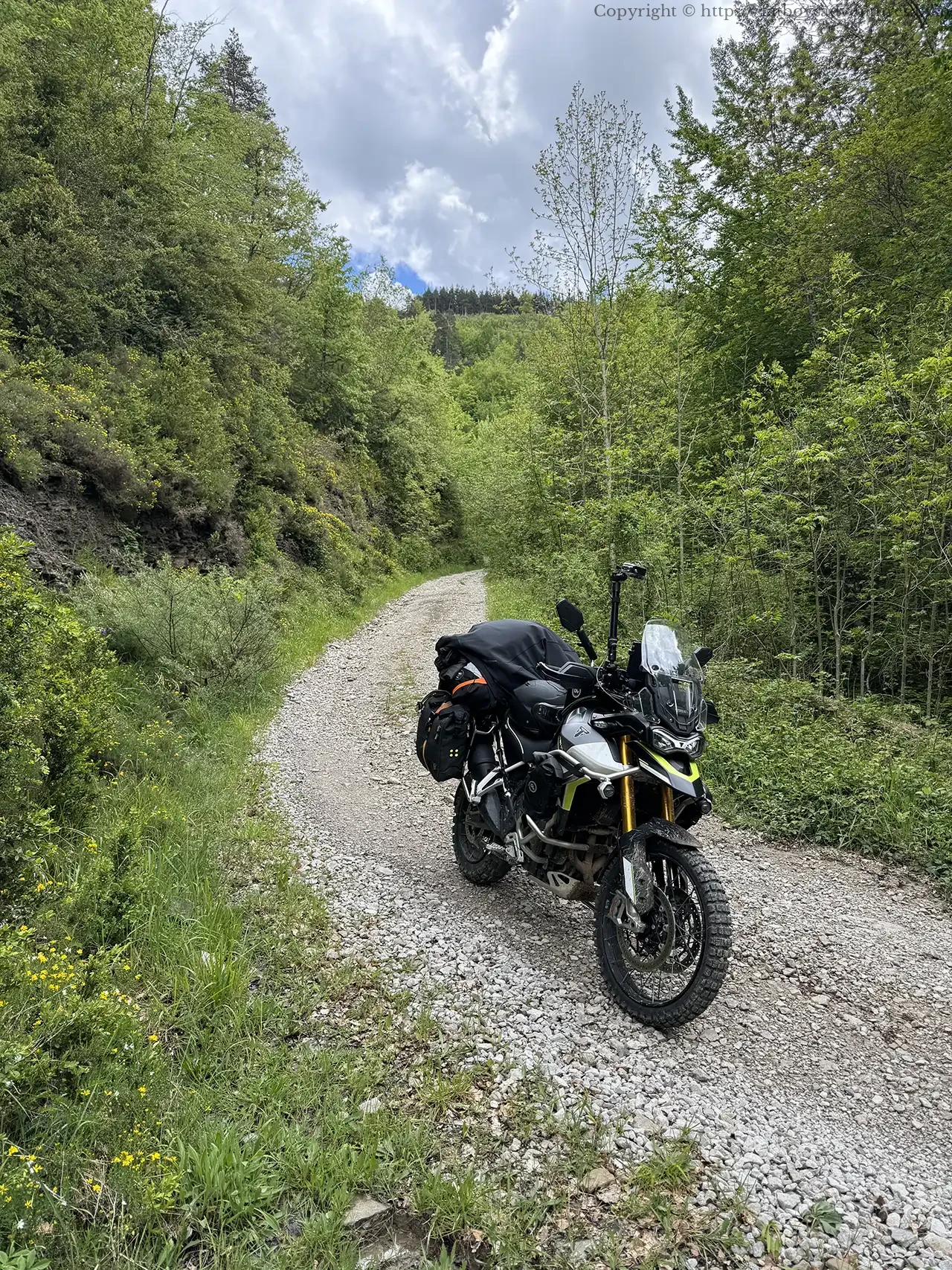
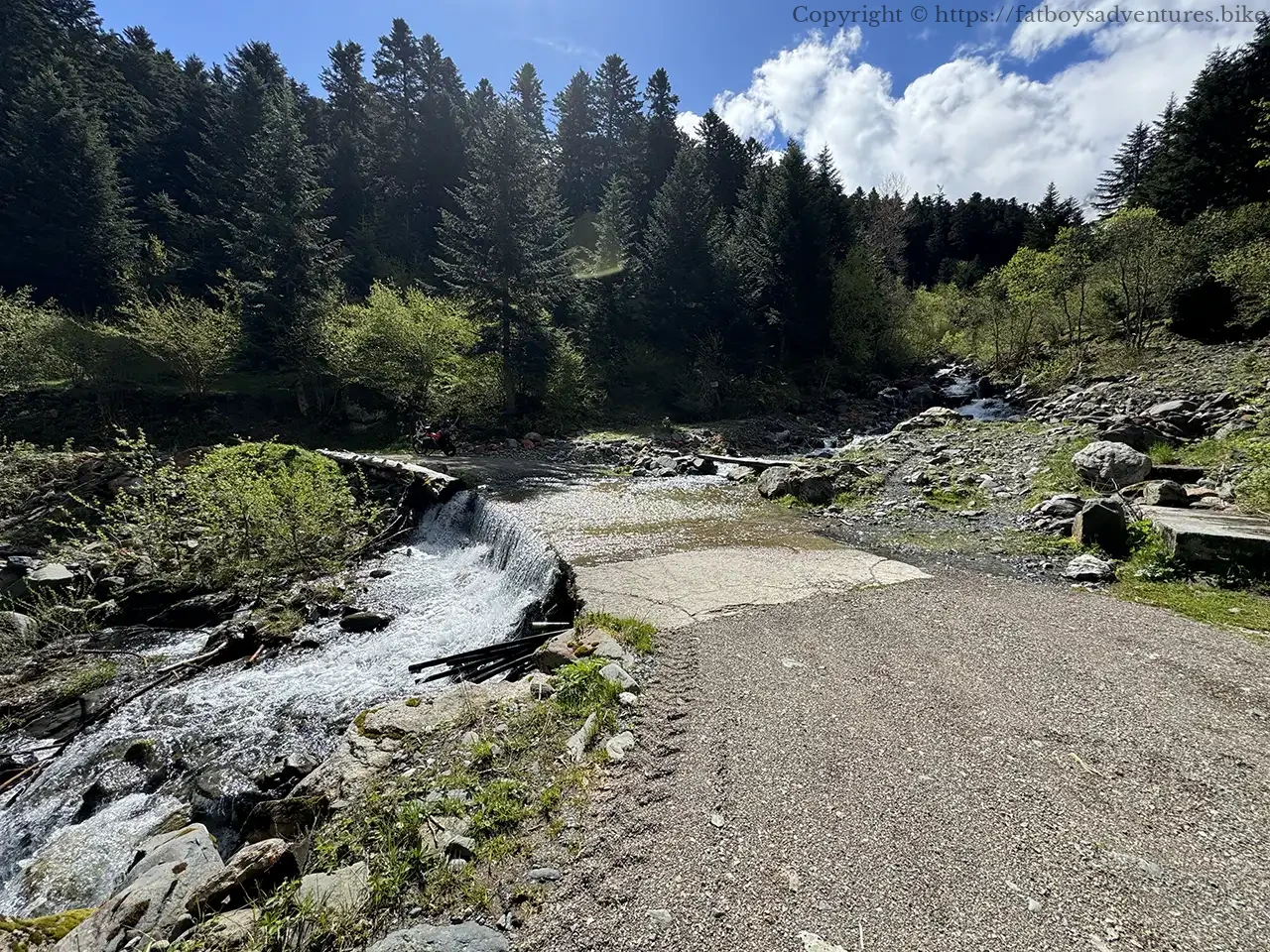
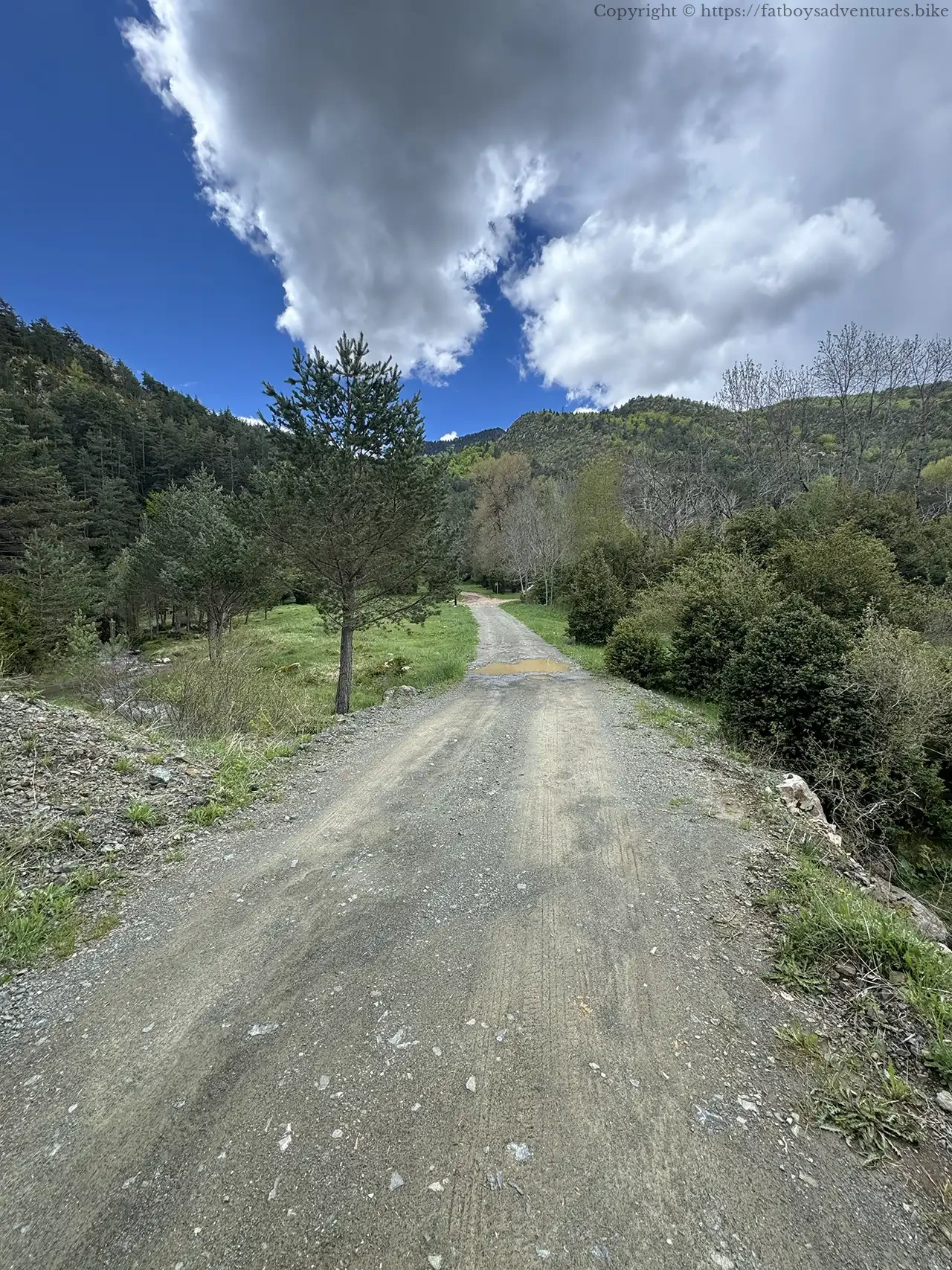
The further south in Portugal we travelled, the more the trip became a battle with the conditions rather than a straightforward ride through a list of places. Portugal was incredibly dry, and that dryness affected everything. The ground had baked hard, the air felt heavy and still, and every trail seemed to break up into loose dust the moment the tyres touched it. A bike ahead would leave a cloud hanging in the air long after it had gone, and if more than one of us was riding together there were plenty of moments when visibility dropped away far more than you would ever want on a loose trail.
That dry surface changed the feel of the riding as well, because the tyres dug in more than expected and the bikes moved around underneath you much more than they would have done in kinder conditions. Sections that would probably have felt simple on another day demanded far more concentration, not because the route itself was especially difficult, but because the country had been baked so dry that every surface had changed character. Add the heat on top of that, and what had looked like a fairly straightforward adventure ride on paper started becoming something that demanded a lot more physical and mental effort than expected.
That is why the early starts became absolutely essential. Those first hours after sunrise were the best part of the day, because the air was still cool enough to make the riding genuinely enjoyable and the landscape still had that quiet, half-woken feeling that makes you feel as though you have the place to yourself. For a while each morning, the trip felt like the one we had imagined at the beginning. Then the temperature would start to climb, and by mid-morning the whole mood of the ride would change with it.
When the Heat Really Hits
Once the temperature climbed properly, even the road sections became part of the challenge rather than a relief from it. It is easy to think that the moment you get off the trails and back onto the main roads things will become simpler, because you have more speed, more airflow and less technical riding to deal with. In reality, once the heat had really taken hold, riding on the roads in the middle of the day felt almost surreal, because even at sixty or seventy miles an hour the wind did not cool you down at all.
Instead, it felt like standing in front of a giant hot-air dryer. Even standing up on the bikes, trying to catch as much airflow as possible, made very little difference because all that wind was doing was blasting hot air straight through the riding gear. Even with fully vented adventure kit it was still brutally hot, to the point where those road miles became less about enjoying the ride and more about simply managing the conditions as sensibly as possible. At that stage the priorities changed completely and the day became about keeping moving, drinking as much water as possible and grabbing shade whenever it appeared.
That was one of the strangest parts of the trip, because the road sections were no longer there because they were the most exciting or scenic part of the route. They were there because they were the practical option once the heat made staying on the trails a poor decision. The roads became the way of getting through the worst part of the day until the temperature finally began to drop again, and in that sense they became just as important to the story of the trip as the off-road sections ever were.
PORTUGAL Roads Better Than Home
What made all of that easier to accept was the simple fact that, even under those conditions, the riding still felt better than it usually does in the UK. That was something that stood out over and over again throughout the whole journey, because the roads are simply better. The surfaces are smoother, there are far fewer potholes, traffic drops away quickly once you leave the towns behind, and drivers generally seem much more aware of motorcycles than we are used to at home.
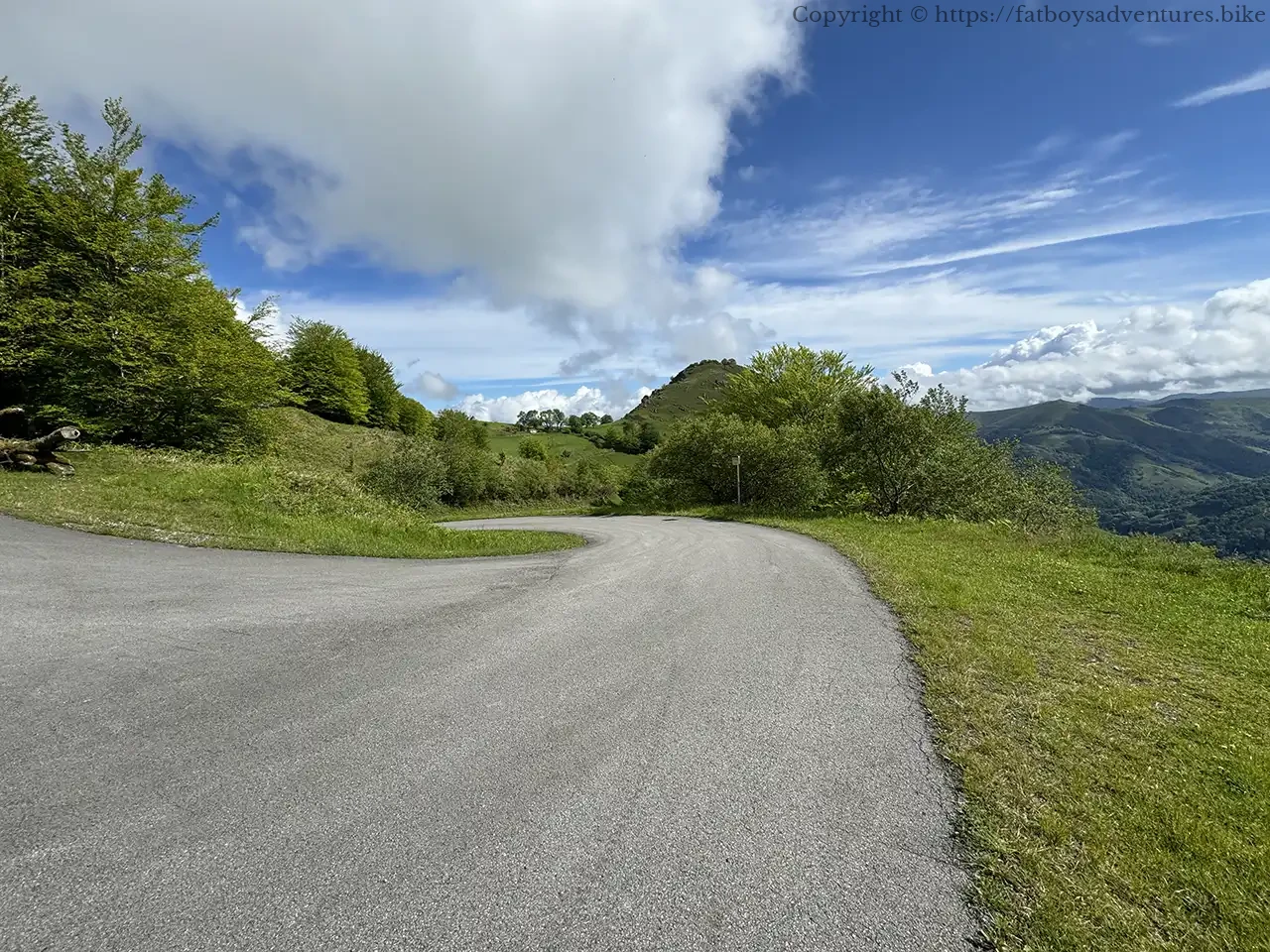
Even when you are not doing anything especially adventurous and are simply linking sections together or covering miles between overnight stops, the riding still feels enjoyable in a way that it often does not in Britain. Central Portugal in particular had some beautiful road riding, with long flowing sections cutting through open landscapes where the road felt as though it had been made for motorcycles rather than simply laid down to get cars from one place to another. That sense of ease in the riding never really left us, even on the days when the heat was making everything harder than it should have been.
After a few days of that, it becomes very difficult not to compare it with home. There is just a freedom to the riding there that is hard to ignore, and even when the day was being dictated by temperature rather than by choice, the roads themselves were still a reminder of why so many riders are drawn to that part of Europe in the first place.
Staying South
As we pushed further south through Belver, Terena and Mina de São Domingos, the landscape changed again and began to feel drier, harsher and more unmistakably southern. By that stage, the trip had fully settled into its own routine, and that routine was built around the weather more than anything else. You ride early, stop often, drink whatever cold thing you can find, and start judging the quality of a day by where you might find some shade rather than how many miles you managed to cover.
By the time we reached Tavira, the decision to stop for a few days felt less like a luxury and more like simple good sense. Having an Airbnb with a kitchen, a fridge and a washing machine was not really about comfort in the usual sense. After days of riding through dust and heat, it felt much closer to survival than indulgence. The chance to wash riding gear, cool down properly and sit still for a while made an enormous difference, because by then the heat had become so constant that even the smallest bit of relief felt significant.
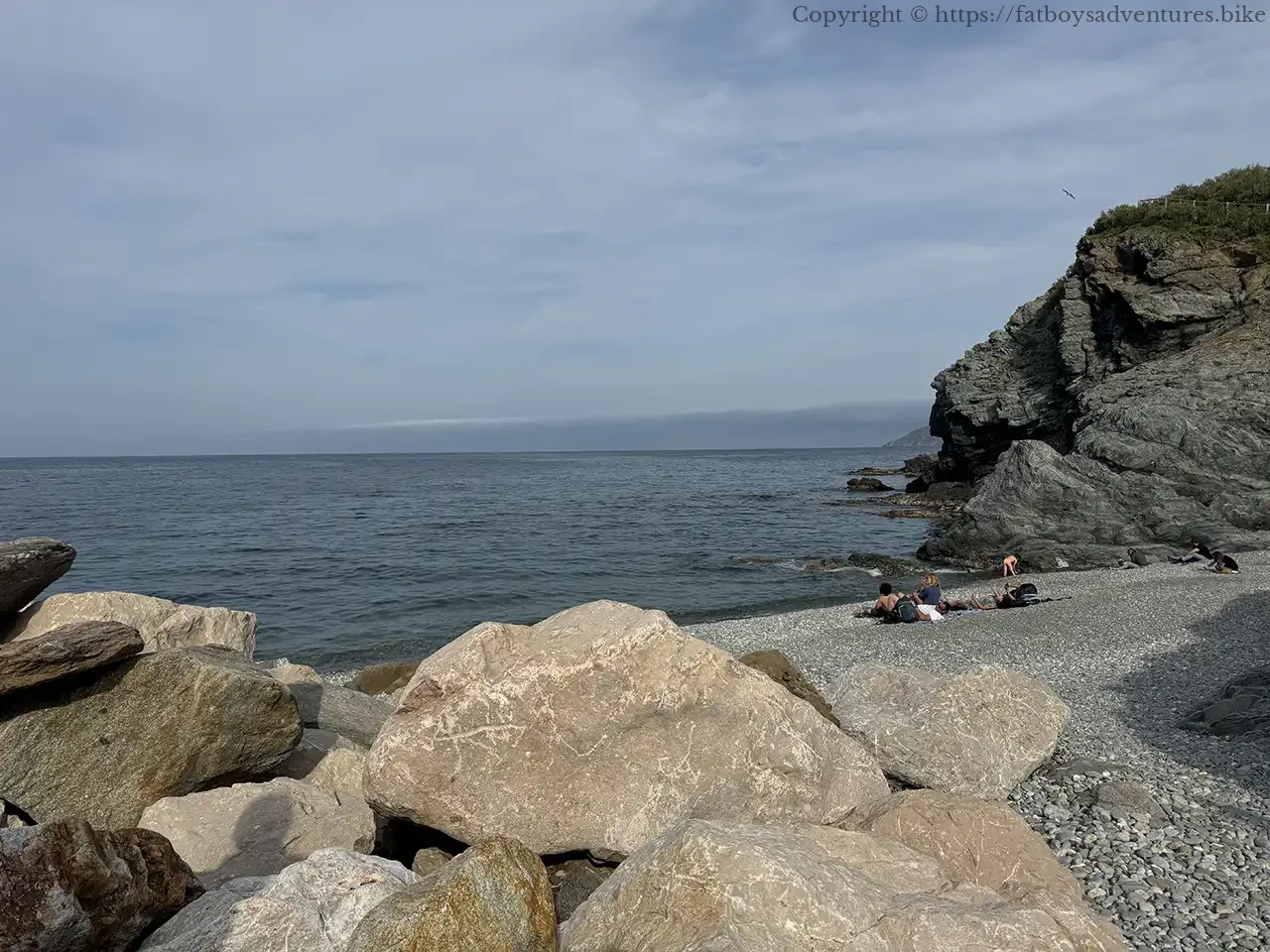
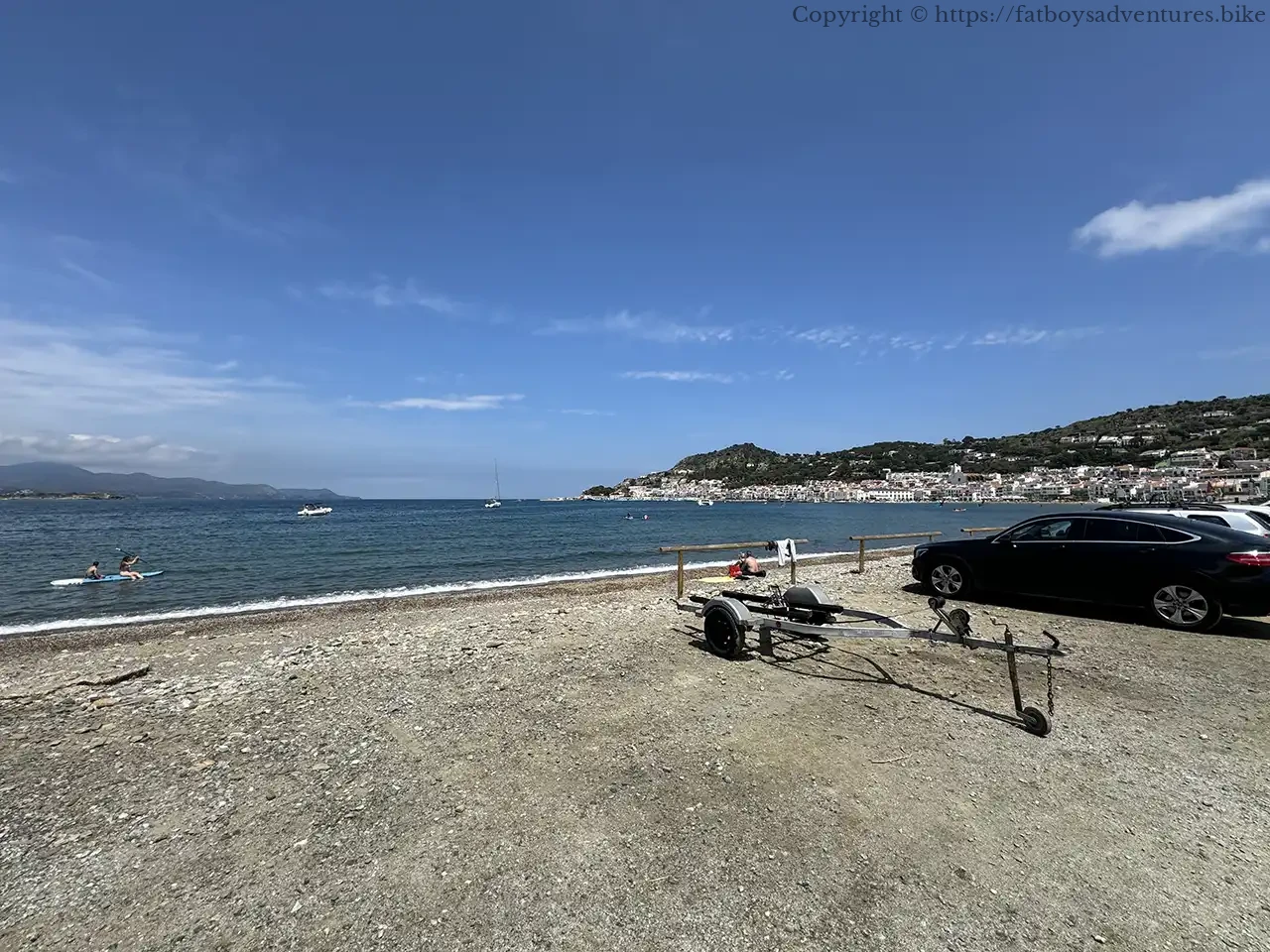
What also changed everything was being near the coast. For the first time in days we felt something we had almost forgotten about — a proper cool sea breeze. After the oppressive inland heat, that one change transformed the atmosphere almost immediately. The air moved again, the evenings softened, and sitting outside after sunset became comfortable rather than exhausting. It felt, for the first time in quite a while, as though the whole trip could finally breathe again.
Portuguese Food and Friendly People
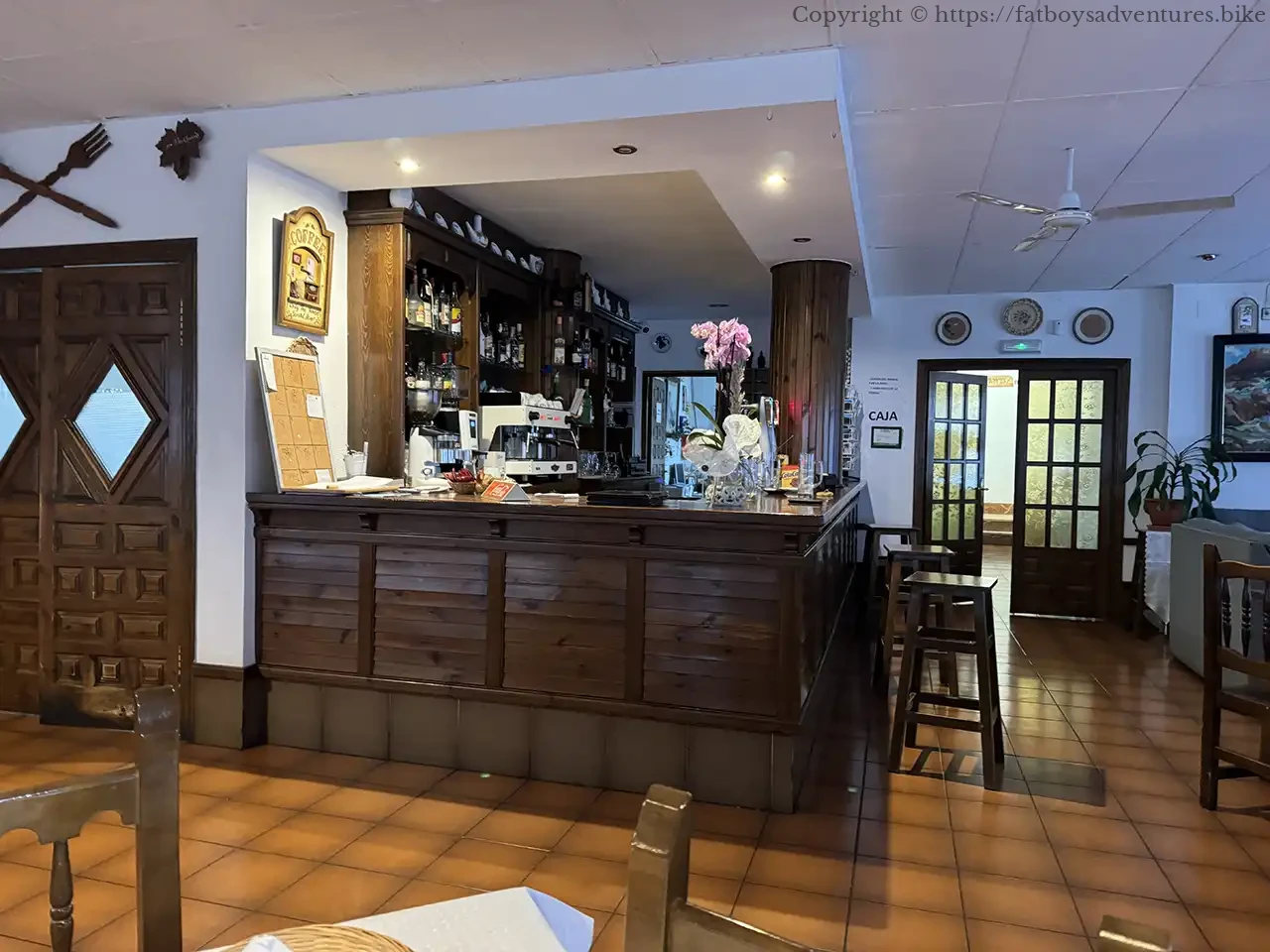
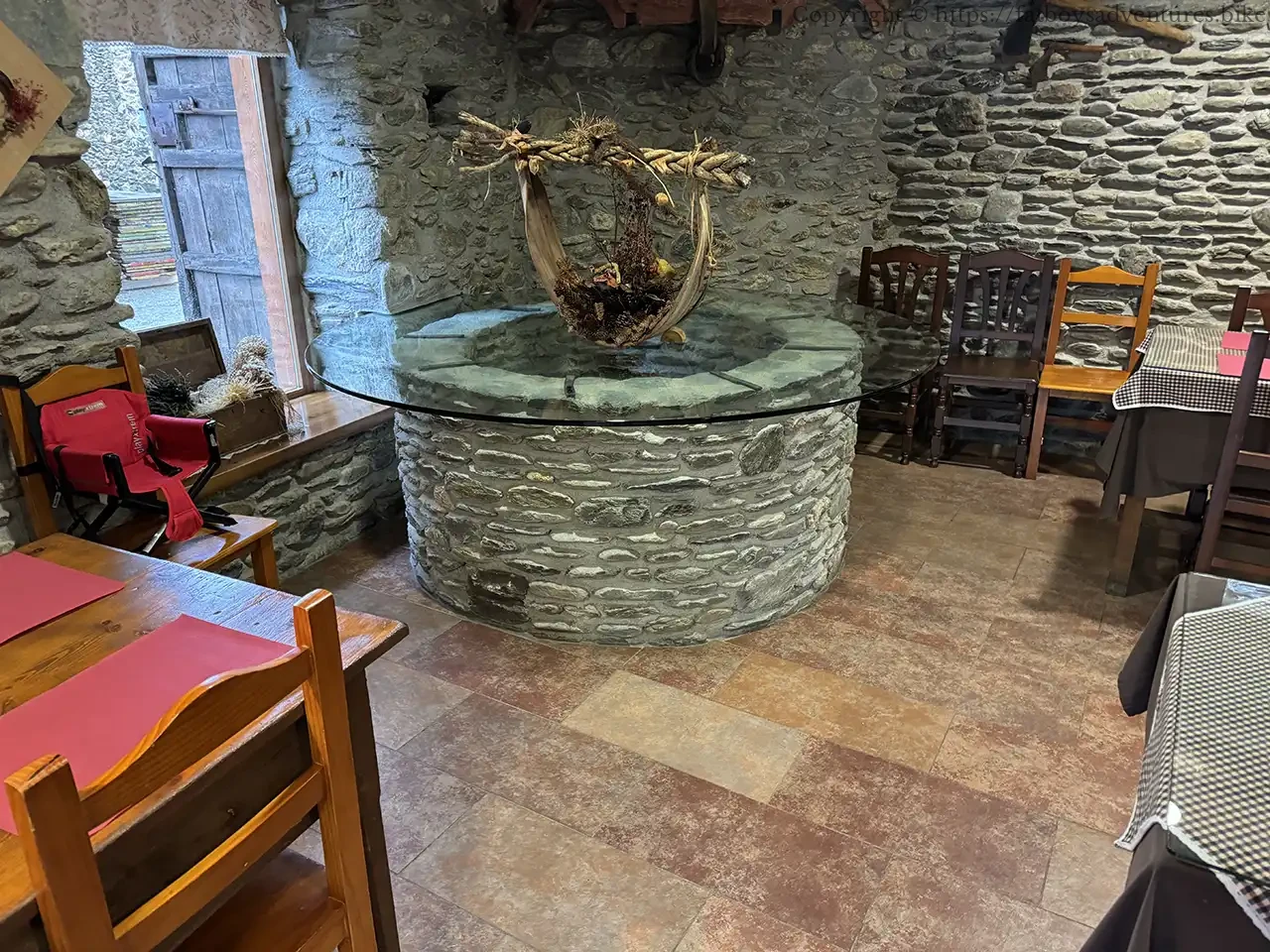
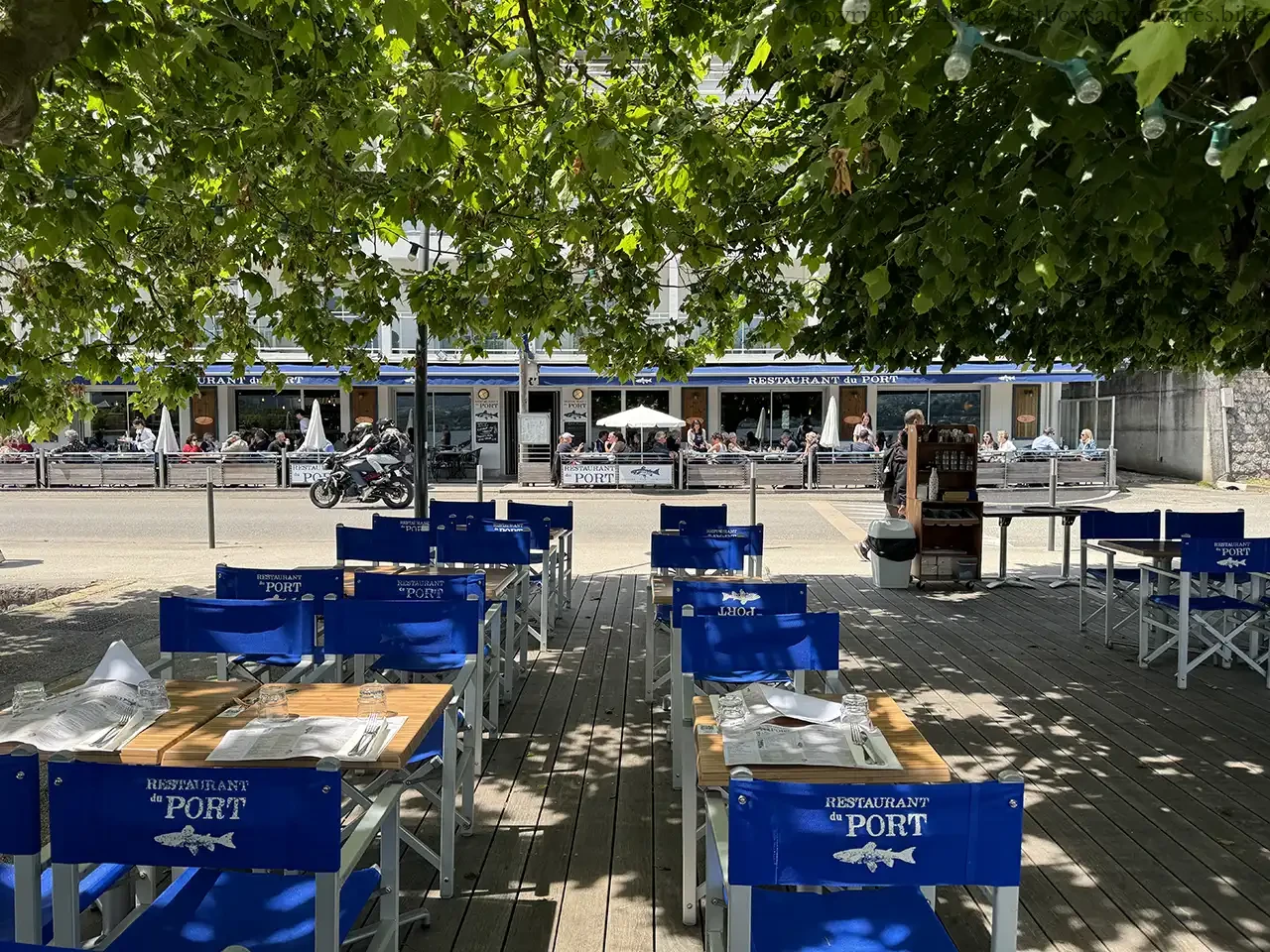
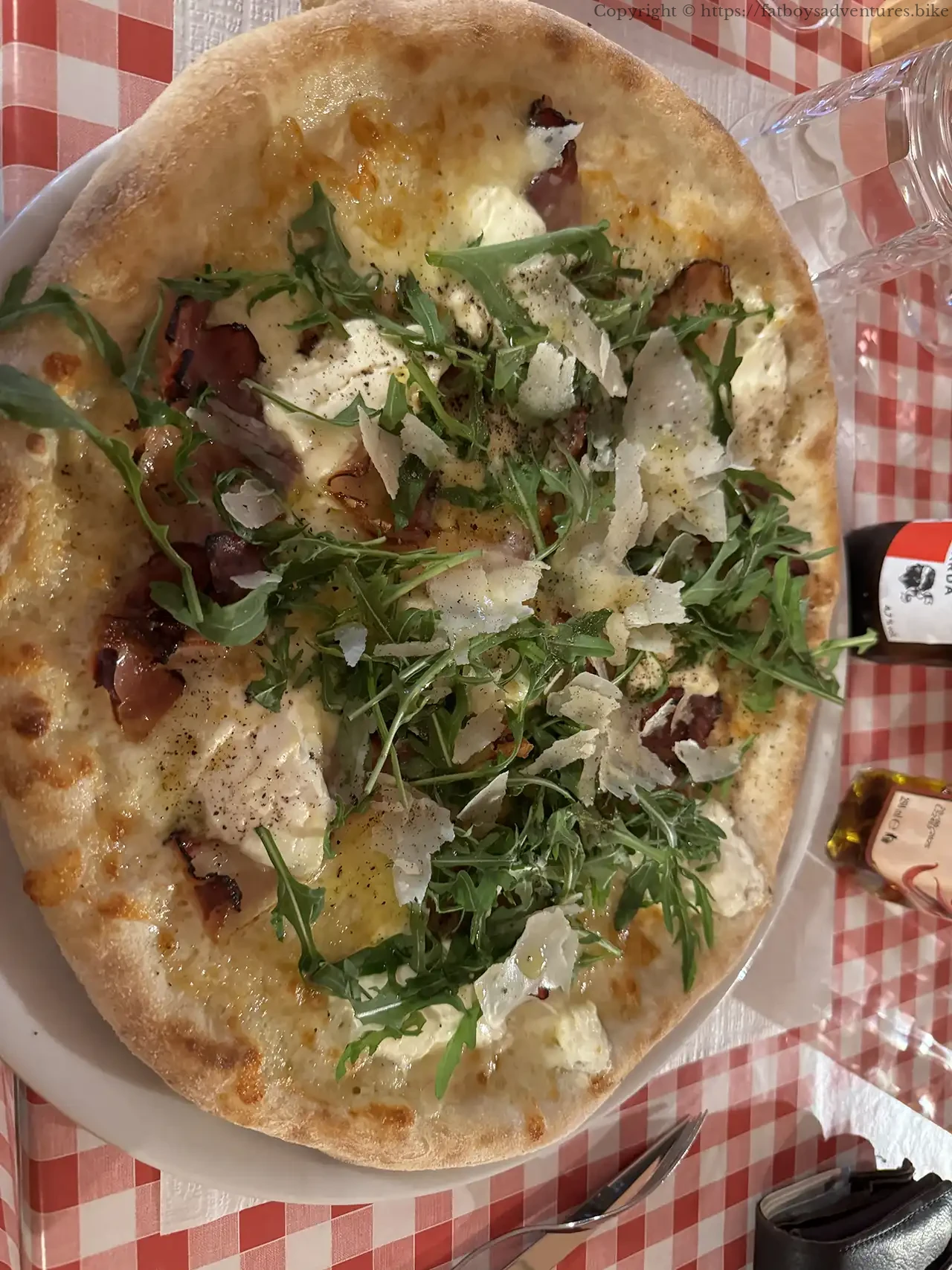
One of the things that stayed with me most strongly from the trip was how much the evenings came to matter once the worst of the day’s heat had passed. After hours on the bike, covered in dust and baked by the sun, sitting down somewhere simple with good food and a cold drink became one of the genuine highlights of each day. Portugal does food in a way that suits travelling perfectly, because nothing feels overcomplicated or overdone. It is just proper food cooked well, and after a ride like that it tasted all the better for it.
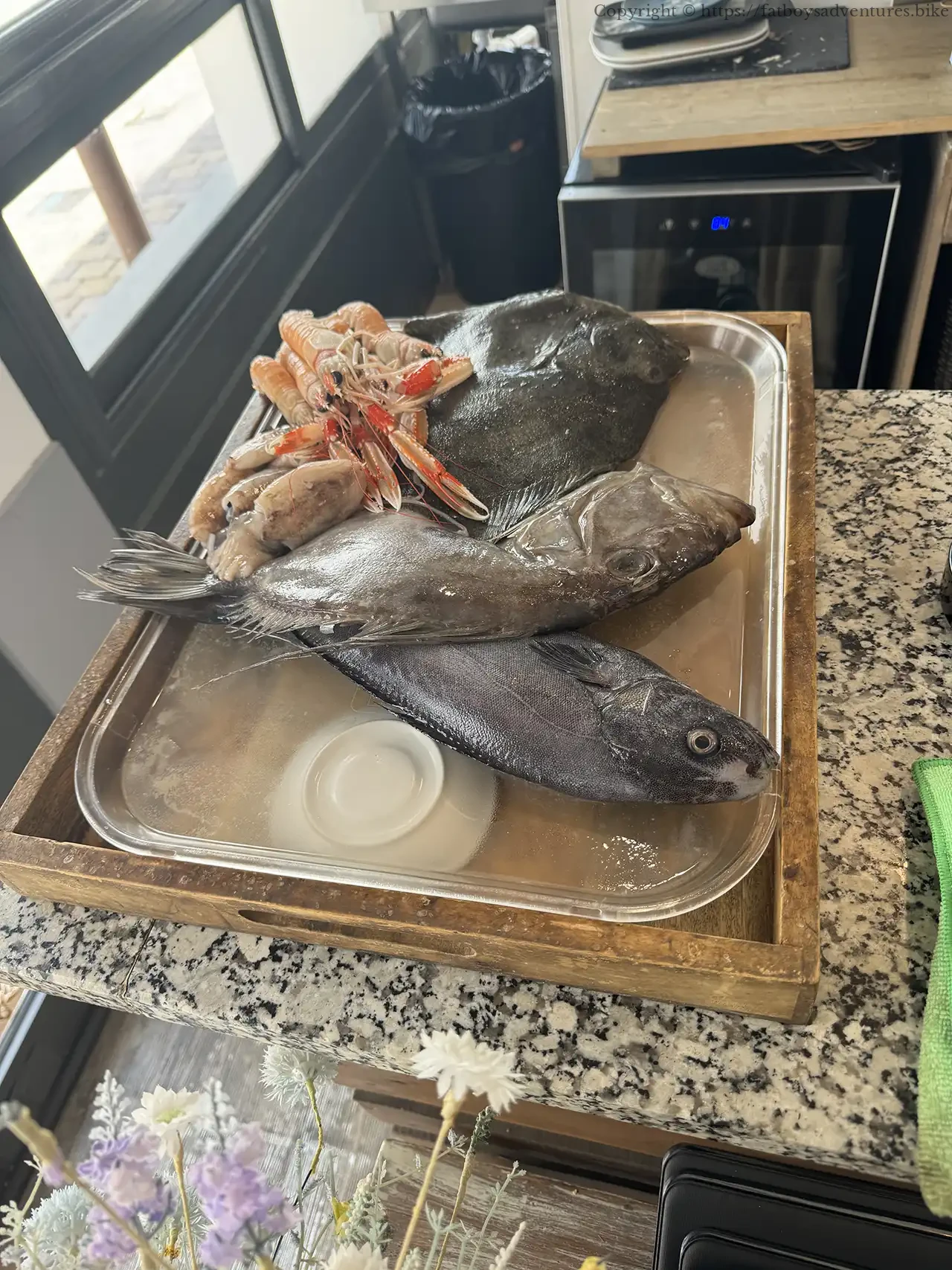
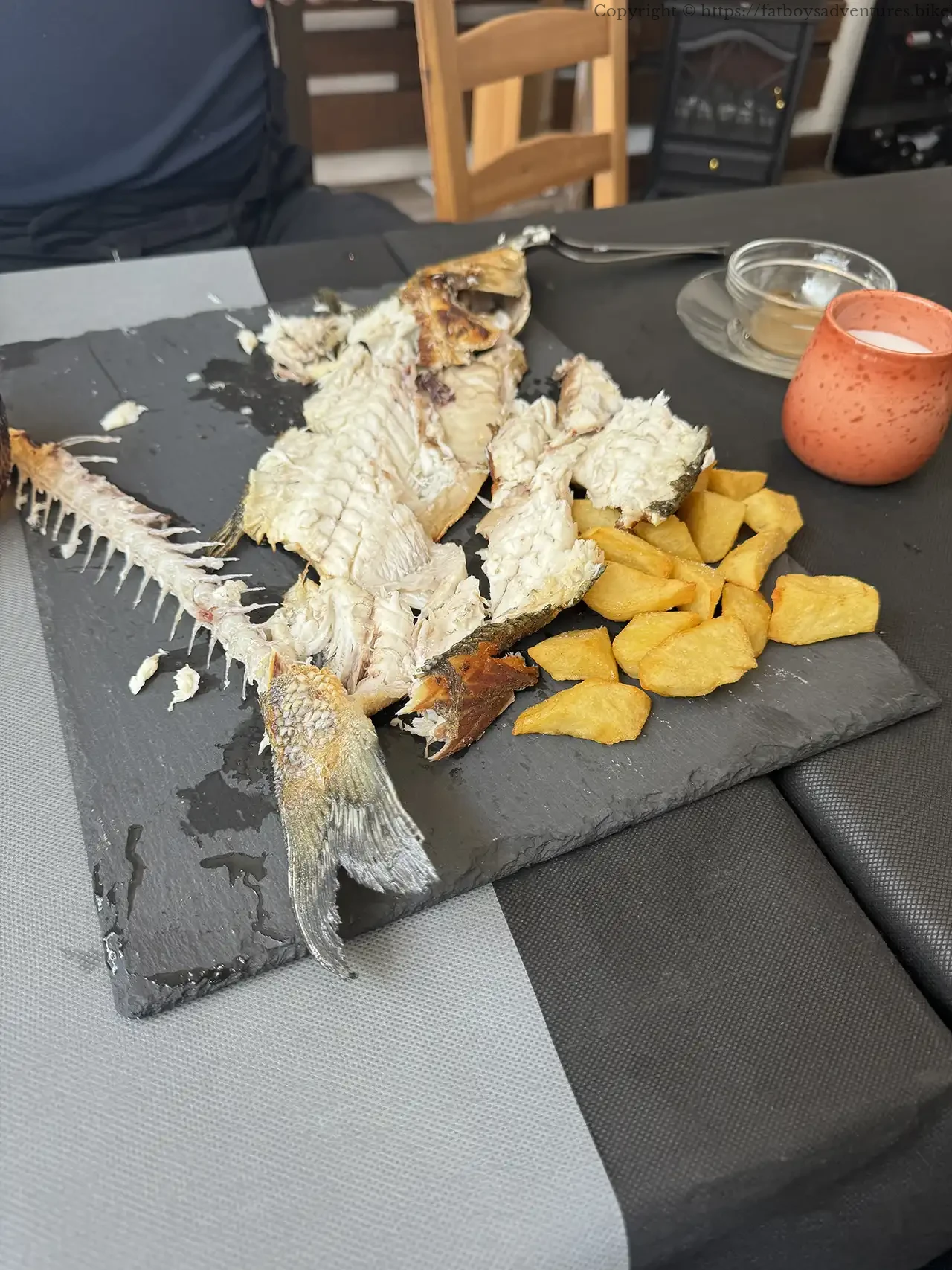
Portugal offered grilled meats cooked over charcoal, fresh bread, olives, local cheeses and cold drinks that disappeared far faster than intended. Once we were closer to the coast, the food changed again and fresh fish and seafood began to take over, with grilled sardines, sea bass, prawns and whatever else had come in that day. After a long, hot ride those meals felt almost restorative, and they quickly became part of the rhythm of the trip in the same way the early starts and the midday retreats from the trails had done.
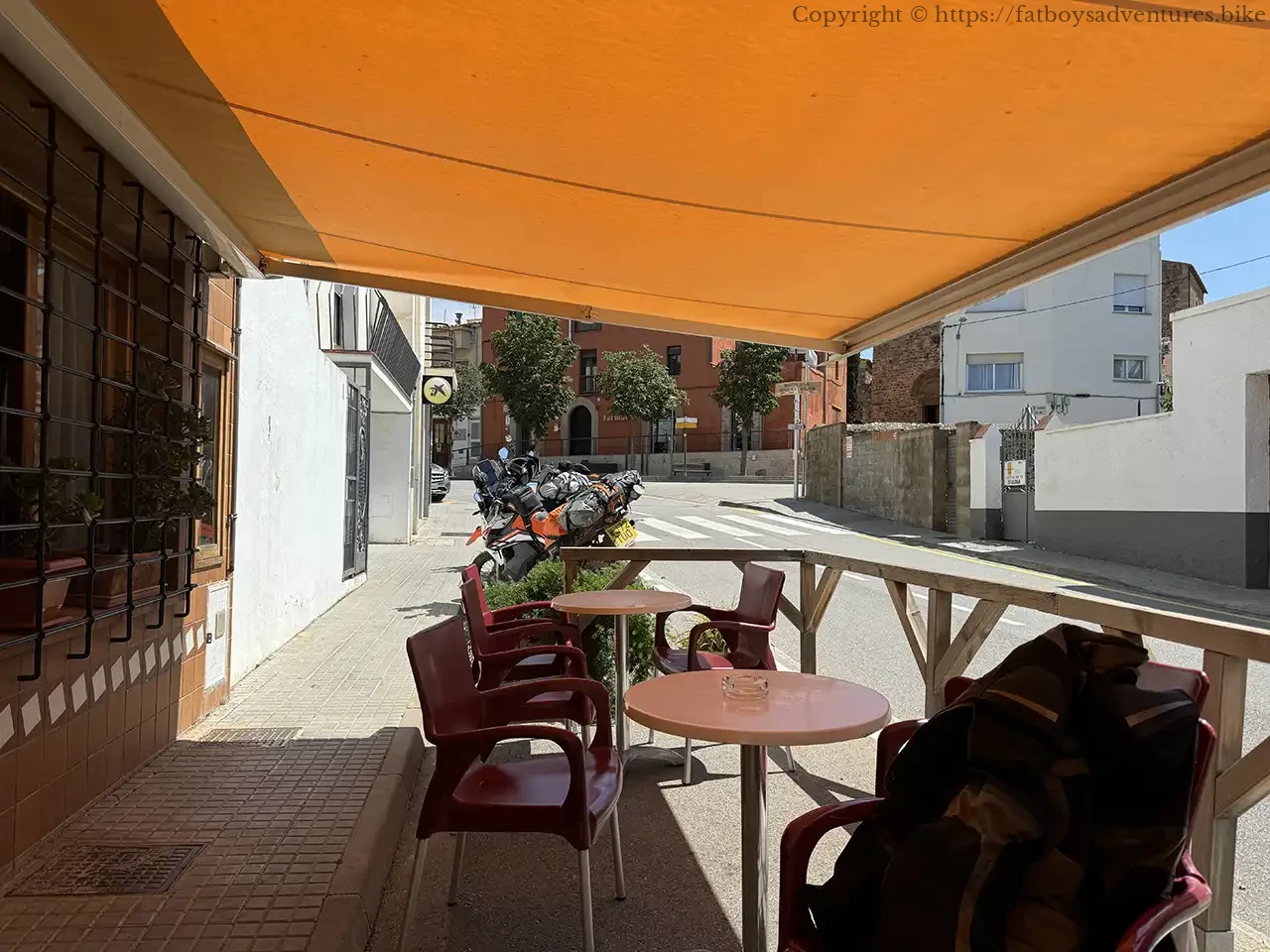
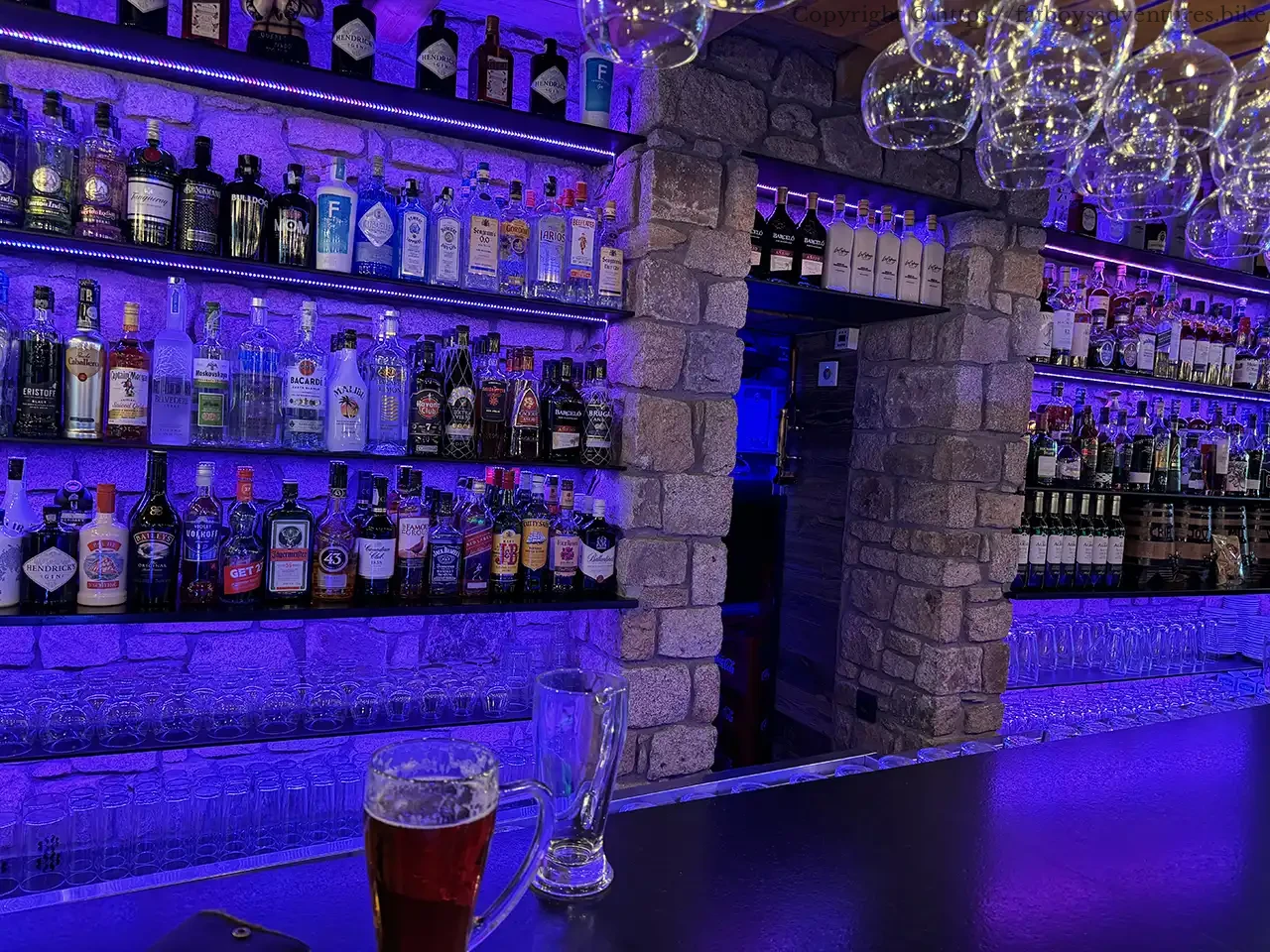
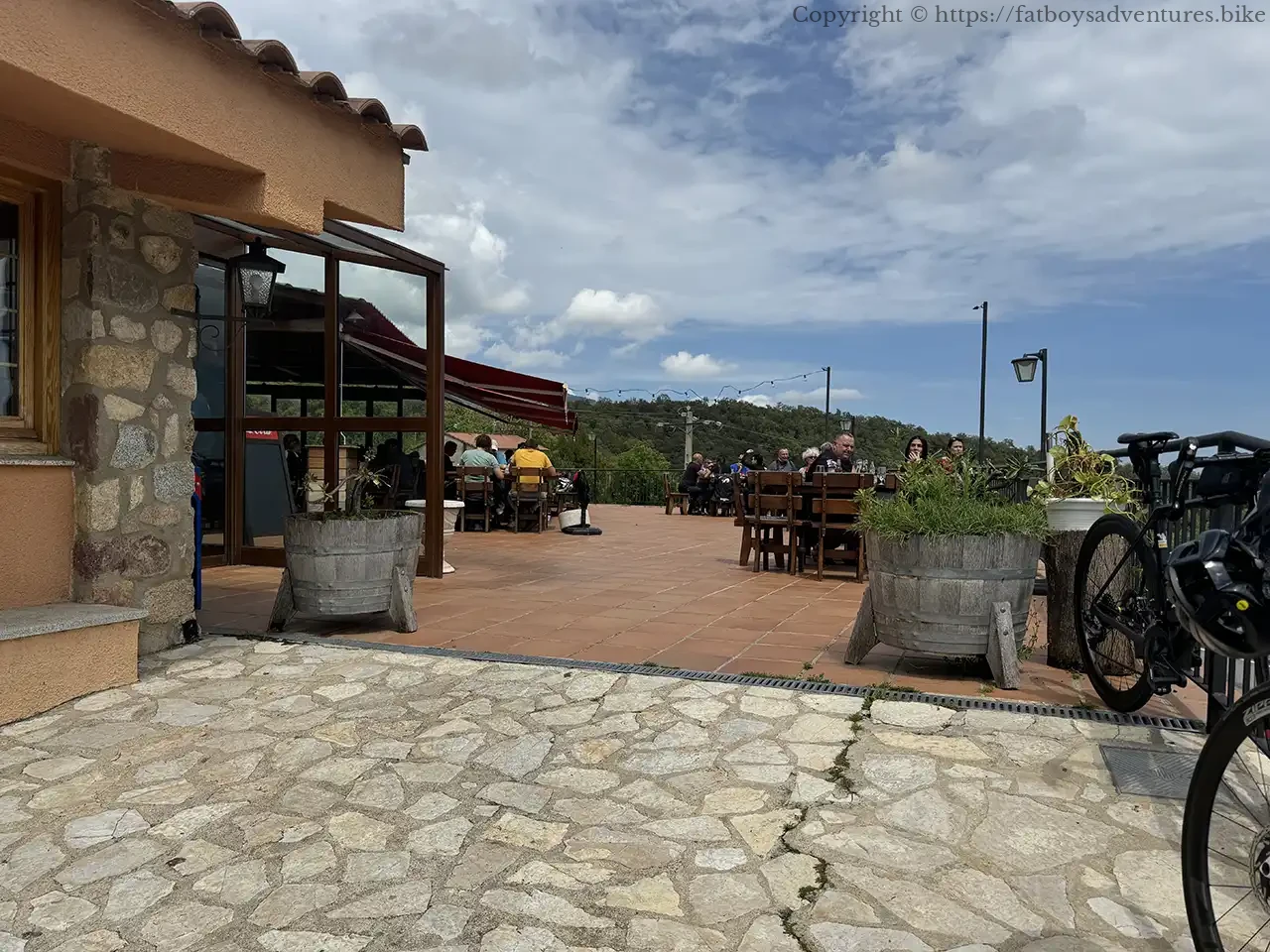
The people added just as much to the experience as the food. Portugal has a relaxed friendliness that comes through very quickly, and small cafés, roadside restaurants and local bars often turned into conversations with people who were curious about the bikes, interested in where we had come from and keen to know where we were heading next. Even where there was a language barrier, the warmth still came through clearly, and that sense of being welcome became part of the journey as well.
Turning North Again
After Tavira the route began to bend north again, and Nazaré brought with it another change in atmosphere. After the dry inland heat, the Atlantic coast felt fresher, cooler and far easier to breathe in, and it changed the mood of the ride in a way that was difficult to overstate. It was still the same trip, but the feel of it had shifted again, and by then the journey had become a series of adaptations rather than a simple line on a map.
As we worked our way back north through Spain, we also made a stop that turned into one of the most interesting parts of the whole ride. We called in to see the developer behind the DMD2 navigation app from Thork Racing, something many adventure riders will know well, and ended up having a proper chat with João Pereira, who often goes by John when speaking with English riders. What could easily have been just a brief stop turned into one of those conversations that stays with you afterwards because it reminds you that the tools we all rely on out on the road are built by real people immersed in that same world.
We talked about mapping, navigation, route planning and the challenge of building software that actually works when riders are out in the real world, dealing with weather, terrain and all the little complications that never show up in neat product descriptions. After days of heat, dust and long miles, it was exactly the sort of unexpected stop that becomes part of the story you remember most clearly afterwards, and it added something to the return leg that we had not planned for at all.
Looking Back
From there we carried on north through Santiago de Compostela and Asturias before making the final run back towards Santander and the ferry home. By that point the trip had completely taken on its own identity, and it was obvious that Portugal had given us something memorable, even if it was not quite the trip we had imagined when we first left Plymouth. The roads were superb, the scenery kept changing, the people were welcoming, the food was excellent, and those cool early hours on the ACT were enough to make us want to come back and ride much more of it in kinder conditions.
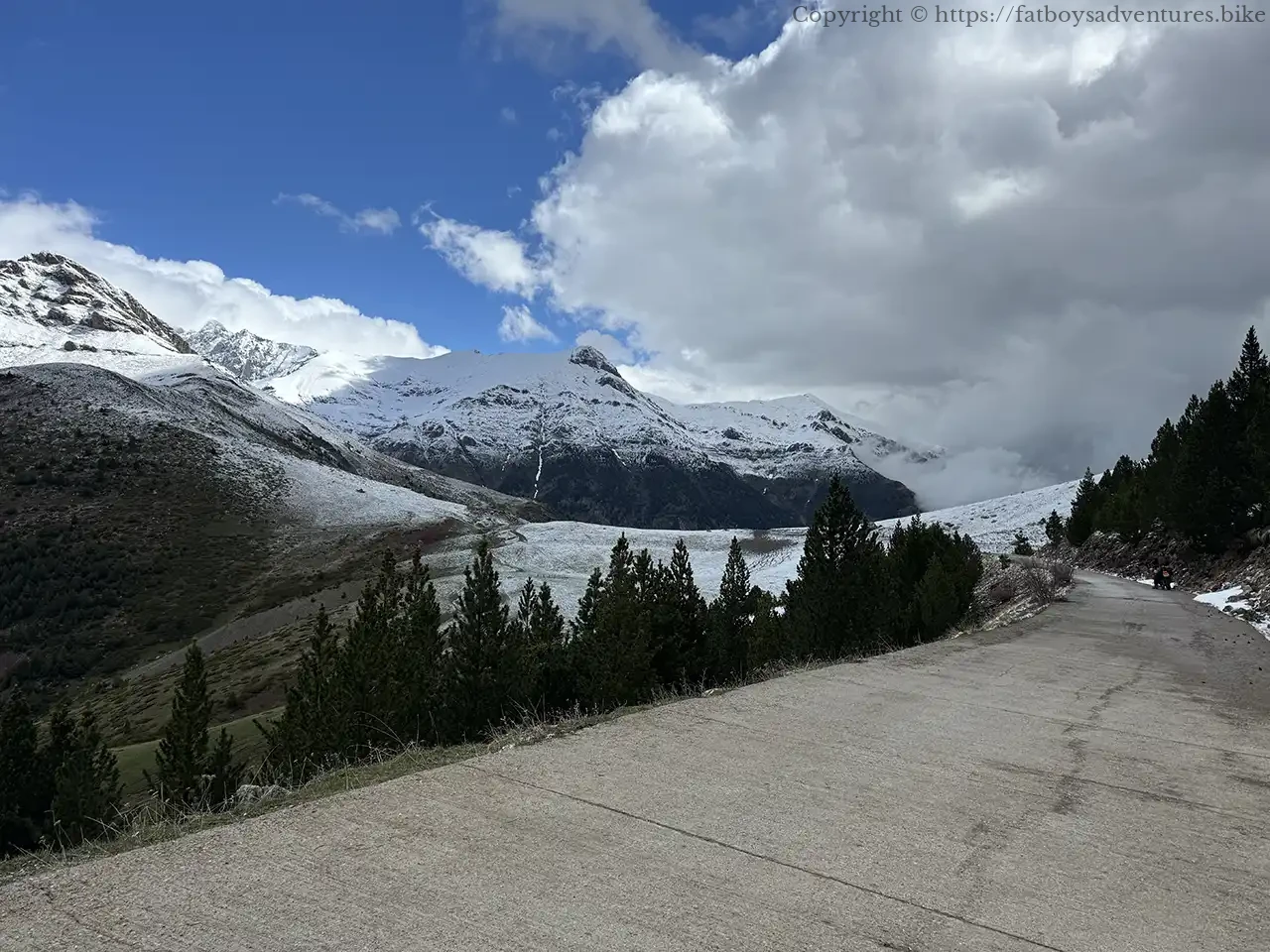
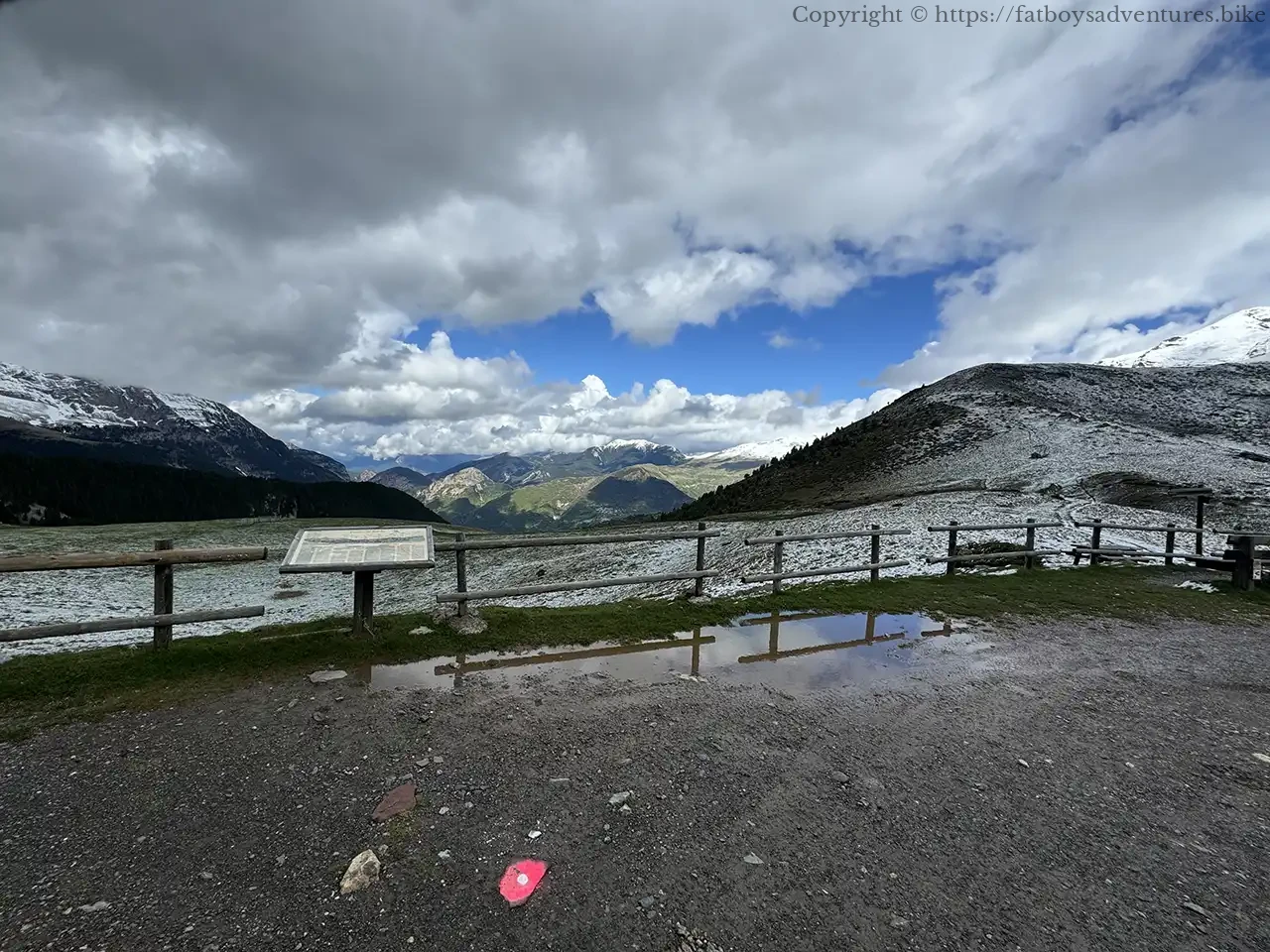
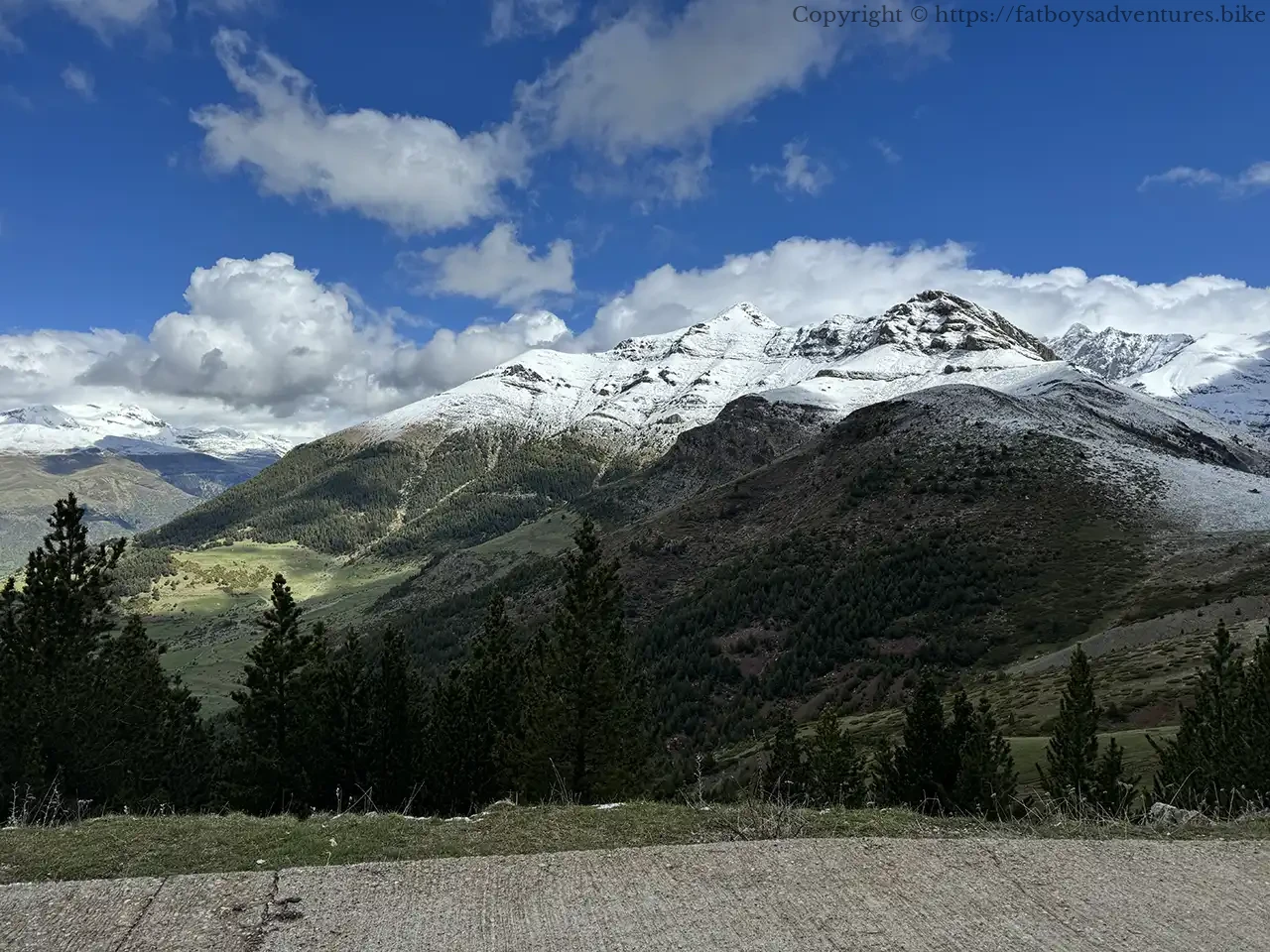
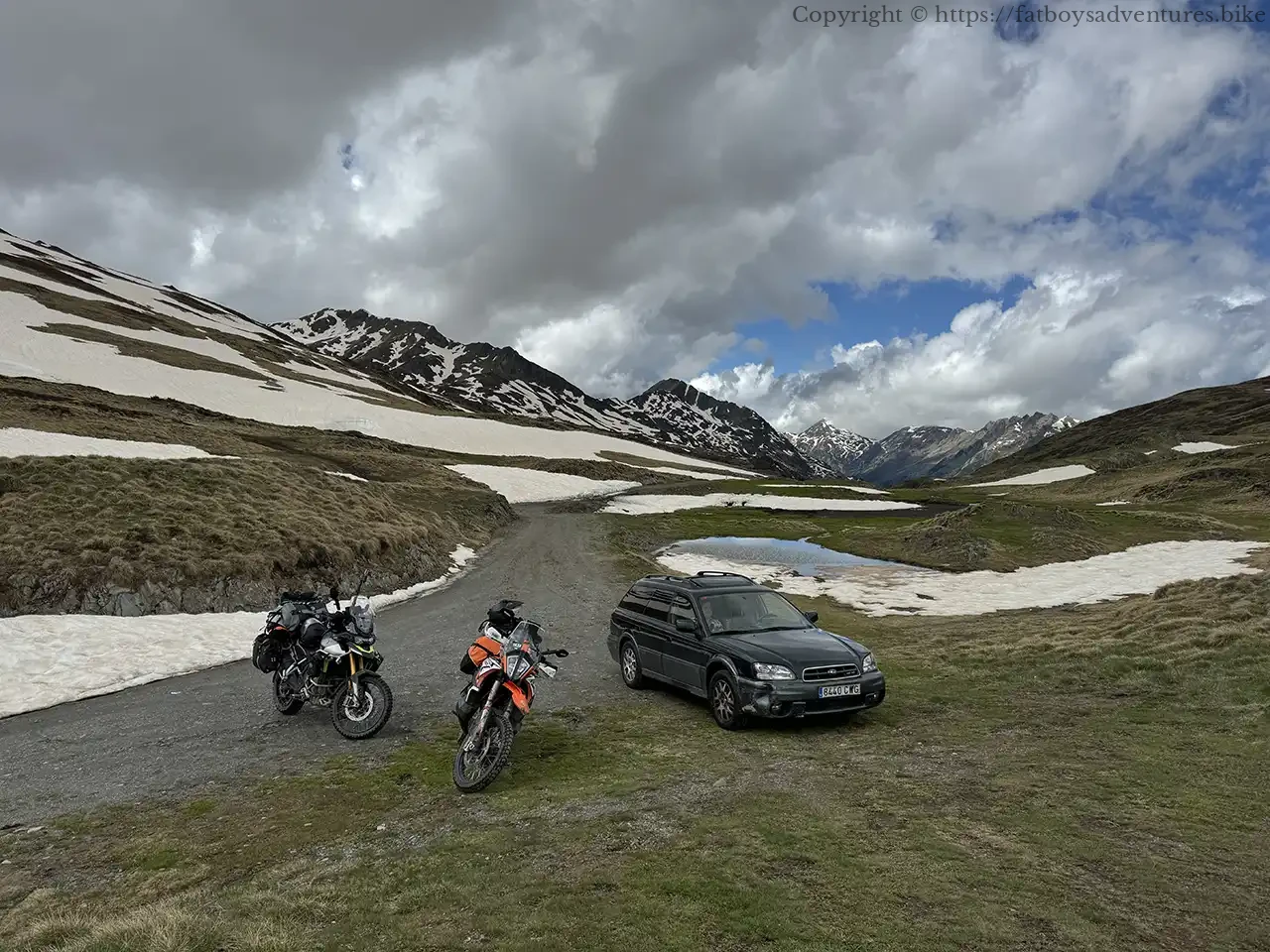
What will stay with us most, though, is still the heat, not just because it was uncomfortable, but because it reshaped the entire journey. It forced us to change the pace, alter the route day by day, and ride the country on its terms rather than our own. In that sense, the weather did not just make the trip harder — it gave it its character. It was still a proper adventure, with ferries, trails, long road miles, unexpected conversations, dusty tracks, brilliant evenings and the sort of journey that never quite unfolds the way you expected when you first drew the line on the map. This trip was completely different to the Spain Pyrenees ACT we did the previous year, no snow or ice at all!
Sometimes those are the trips that stay with you the longest, because they feel less like something you successfully executed and more like something you genuinely lived through. That is what this ride to Portugal became in the end, and that is exactly why it has stayed with me so clearly ever since.
Take the long road home — miles today, stories tomorrow.