D-Day Tour – Normandy France

August 7, 2025 by Fat Boy

Riding Through History – D-Day Normandy Tour

Some motorcycle trips are built around scenery, some around roads, and some simply around the joy of travelling from place to place without much reason beyond the ride itself. This trip to Normandy in 2025 was different, because the purpose of it was not only the ride but the history that lies across that coastline. The plan was simple enough on paper: spend roughly a week riding across the D-Day landing areas, visiting the sites that played such a crucial role in the Allied invasion of 1944, and take the time to properly see the places that most people only recognise from books and documentaries.

Normandy has a way of quietly reminding you that you are travelling through somewhere that changed the course of history. The roads are peaceful now, the countryside is green and calm, and small villages sit quietly between fields that once saw some of the most intense fighting of the Second World War. Riding through those places on motorcycles gives you the freedom to move slowly, to stop wherever something catches your attention, and to absorb the atmosphere in a way that is very different from rushing through in a car or on a bus tour.

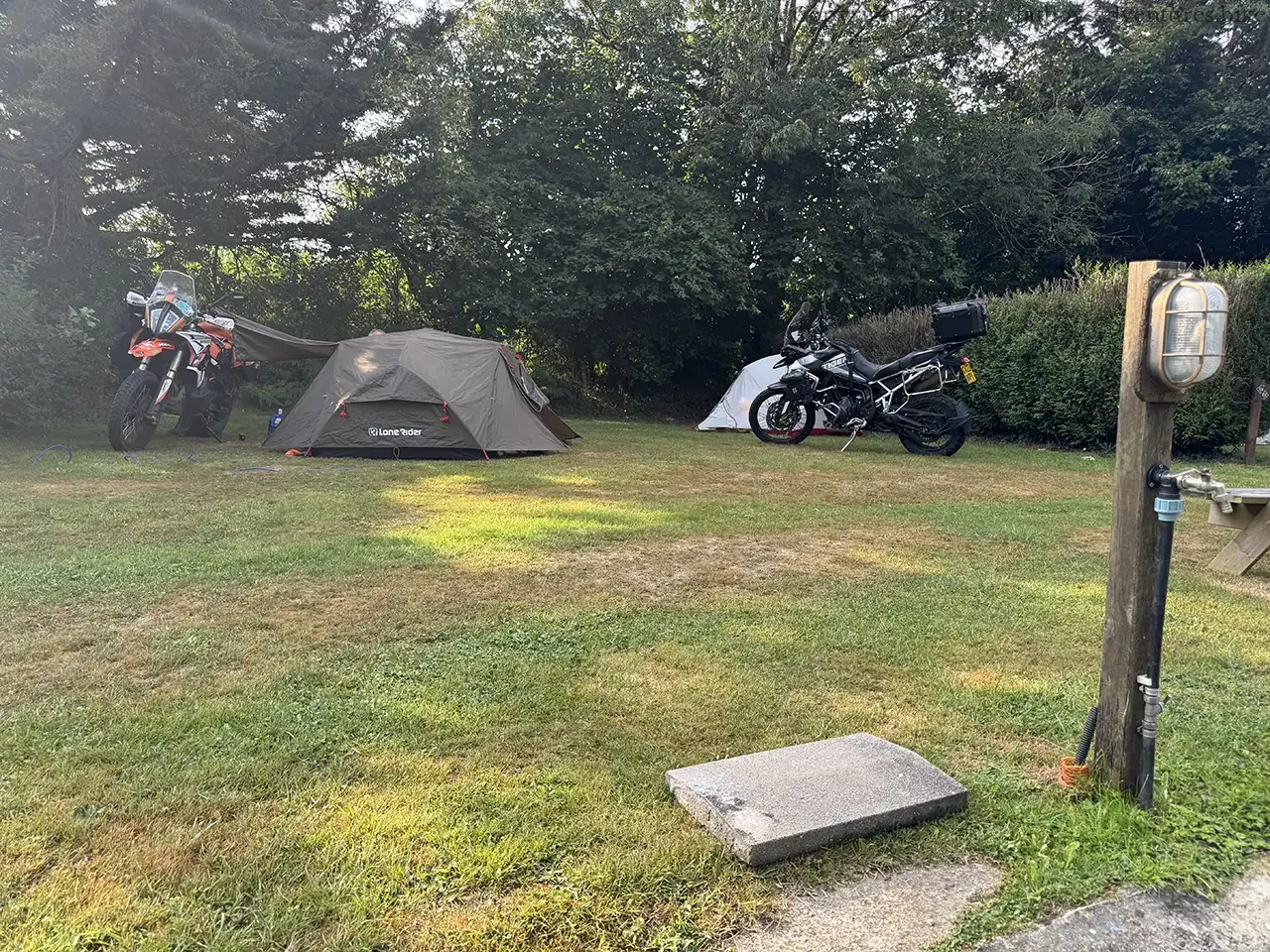
For this trip we based ourselves for the week at a campsite called Camping Sous Les Étoiles Normandie, located in Saint-Martin-des-Besaces in Calvados. The campsite is run by an English family and turned out to be a perfect base for exploring the region, with a fantastic bar, excellent food and the sort of relaxed atmosphere that makes it easy to spend evenings talking about the day’s riding and the history we had just seen.

The location worked particularly well because from there we could ride out each morning in different directions across the Normandy countryside, visiting the beaches, museums and monuments that mark the events of June 1944, before returning in the evening to the same quiet corner of rural France.

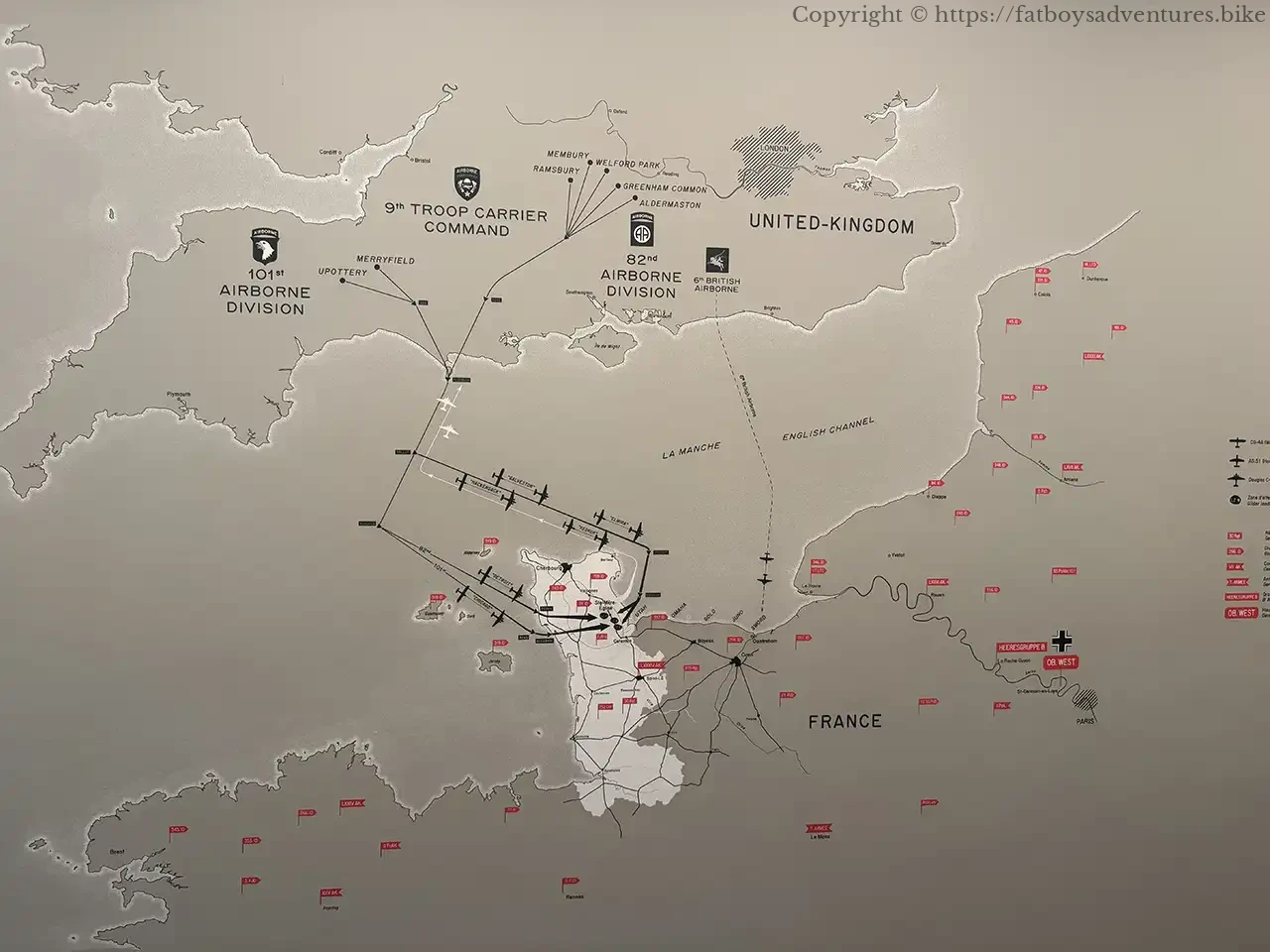
Graignes and the Airborne Landings

One of the first places we visited was the D-Day village of Graignes, a small and peaceful place today but one that saw fierce fighting during the airborne landings that supported the invasion. Walking around places like this gives you a completely different perspective on the scale of the operation, because the terrain suddenly becomes real rather than something you only see on a map.

The quiet fields and narrow lanes that surround the village were once filled with paratroopers trying to regroup, local residents caught in the middle of the chaos, and German forces attempting to push them back. Standing there now, with birdsong in the background and motorcycles parked quietly nearby, it is difficult to reconcile the calm of the present with the violence that once unfolded there.

Sainte-Mère-Église

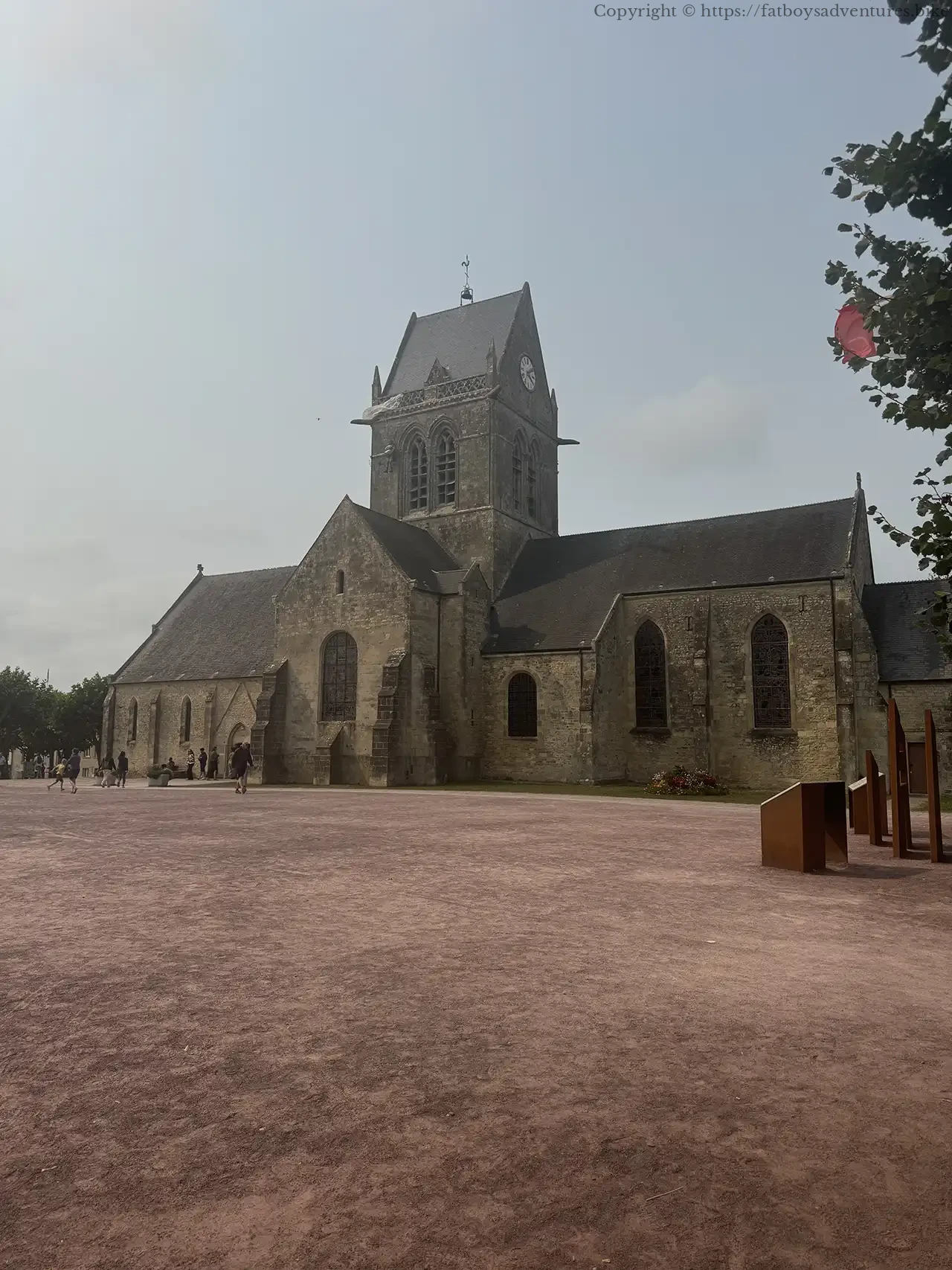
No visit to Normandy would be complete without stopping at Sainte-Mère-Église, one of the most famous locations from the D-Day airborne landings. The church is instantly recognisable because of the story of Private John Steele, the American paratrooper whose parachute became caught on the church tower during the night drop and who famously hung there while the battle unfolded below.

Today a parachute figure still hangs from the church tower as a tribute to that moment in history, and standing in the square looking up at it brings the whole story to life in a way that photographs never quite manage to capture.

Not far from there stands the Richard D. Winters Leadership Monument near Sainte-Marie-du-Mont, dedicated to the officers and soldiers who led airborne troops during the invasion. Seeing that monument in person adds another layer to the understanding of how much leadership, courage and improvisation were required for the operation to succeed.

D-DAY Utah Beach and Dead Man’s Corner

From there the ride naturally moved towards Utah Beach, one of the five beaches where Allied forces landed on the morning of 6 June 1944. Today the beach is wide, windswept and peaceful, but the memorials and museums along the shoreline remind you very quickly of what happened there.

Nearby is Dead Man’s Corner, a location whose name alone hints at the intensity of the fighting that once took place in that area. The museum there tells the story of the airborne troops who fought their way inland after landing during the early hours of the invasion.

Standing in these places brings the history much closer than reading about it ever could.

La Cambe German Cemetery

One of the most striking stops of the entire trip was the German cemetery at La Cambe. While many visitors naturally focus on the Allied memorials, walking through the rows of dark crosses at La Cambe provides a sobering reminder that thousands of young men on both sides of the conflict lost their lives during the battle for Normandy.

The atmosphere there is quiet and reflective, and it adds an important sense of balance to the experience of visiting the region.

D-DAY Omaha Beach and the American Cemetery

Few places in Normandy carry the same emotional weight as Omaha Beach, where American forces faced some of the most intense resistance on D-Day. Standing on that long stretch of sand and looking up at the cliffs behind it makes it easier to understand the enormous challenge faced by the troops who landed there.

Just above the beach sits the Normandy American Cemetery, where rows upon rows of white crosses and stars of David stretch across the hillside overlooking the sea. Walking through that cemetery is one of the most powerful experiences anywhere in Normandy, because it makes the scale of the sacrifice impossible to ignore.

Pointe du Hoc

Another unforgettable stop was Pointe du Hoc, where American Rangers scaled the cliffs to destroy German artillery positions. Even today the landscape there still bears the scars of the battle, with enormous bomb craters scattered across the ground and the remains of German bunkers sitting broken along the cliff edge.

Walking across that terrain makes it clear just how extraordinary that assault must have been.

Arromanches and the Mulberry Harbour

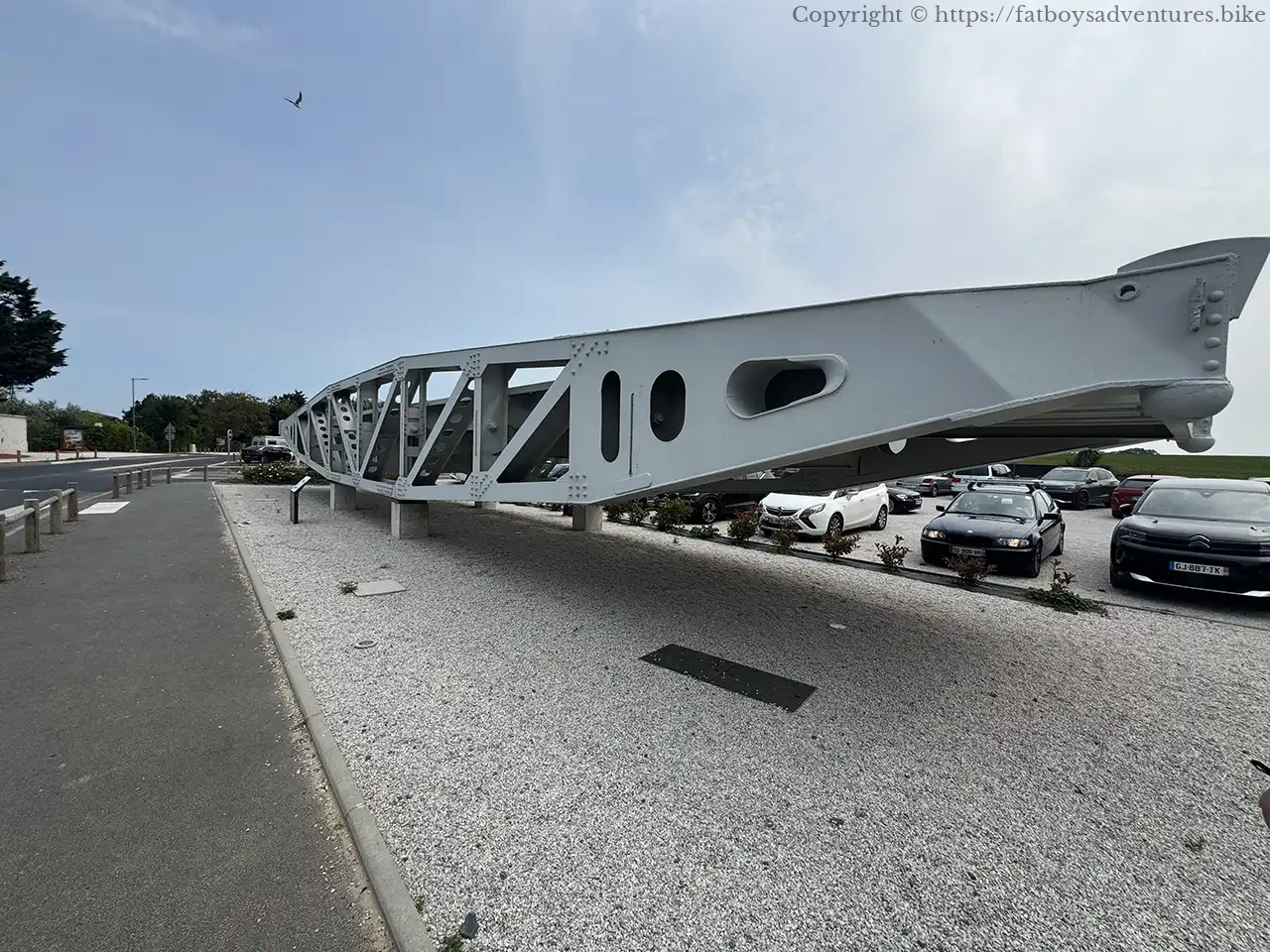
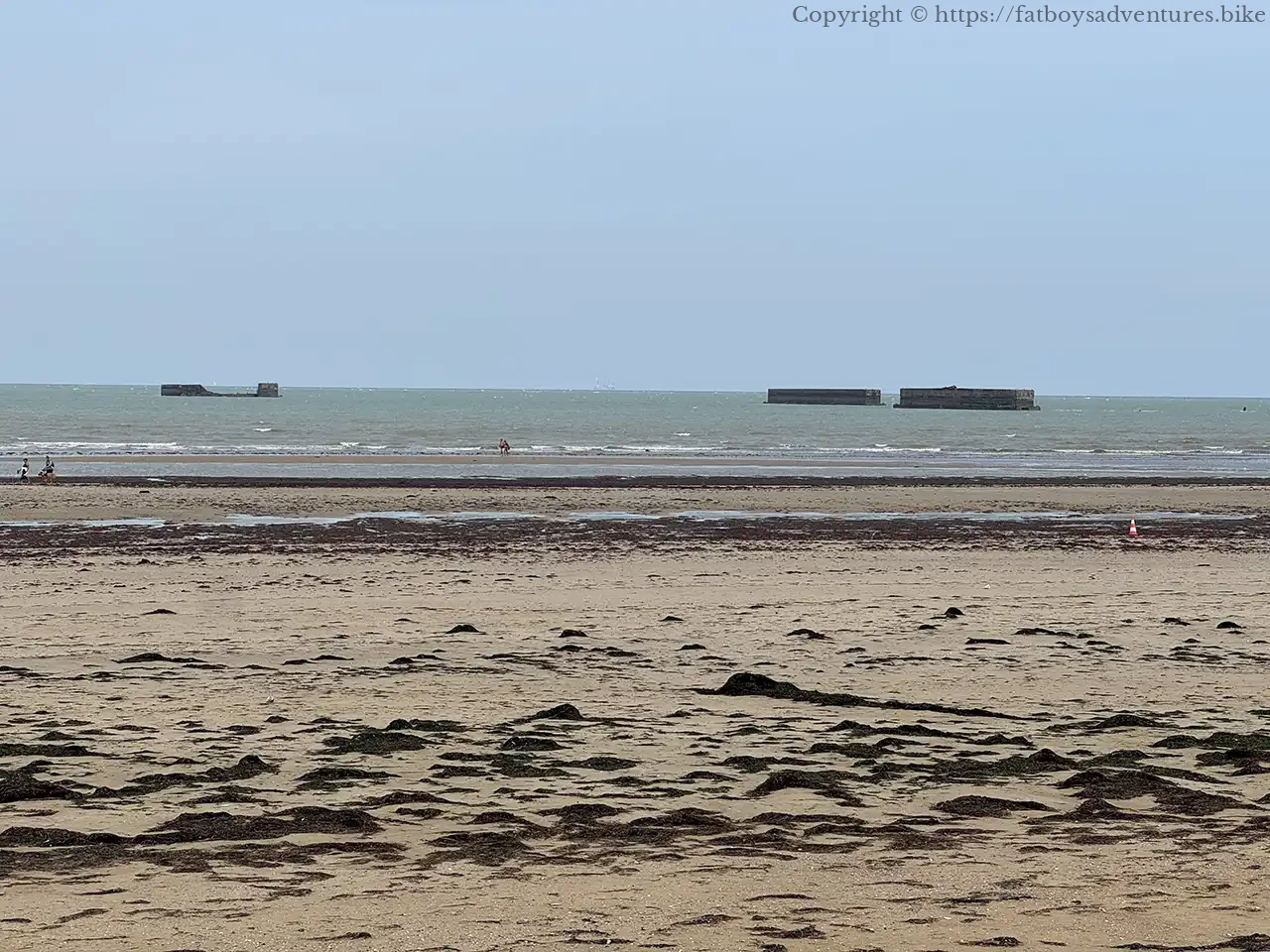
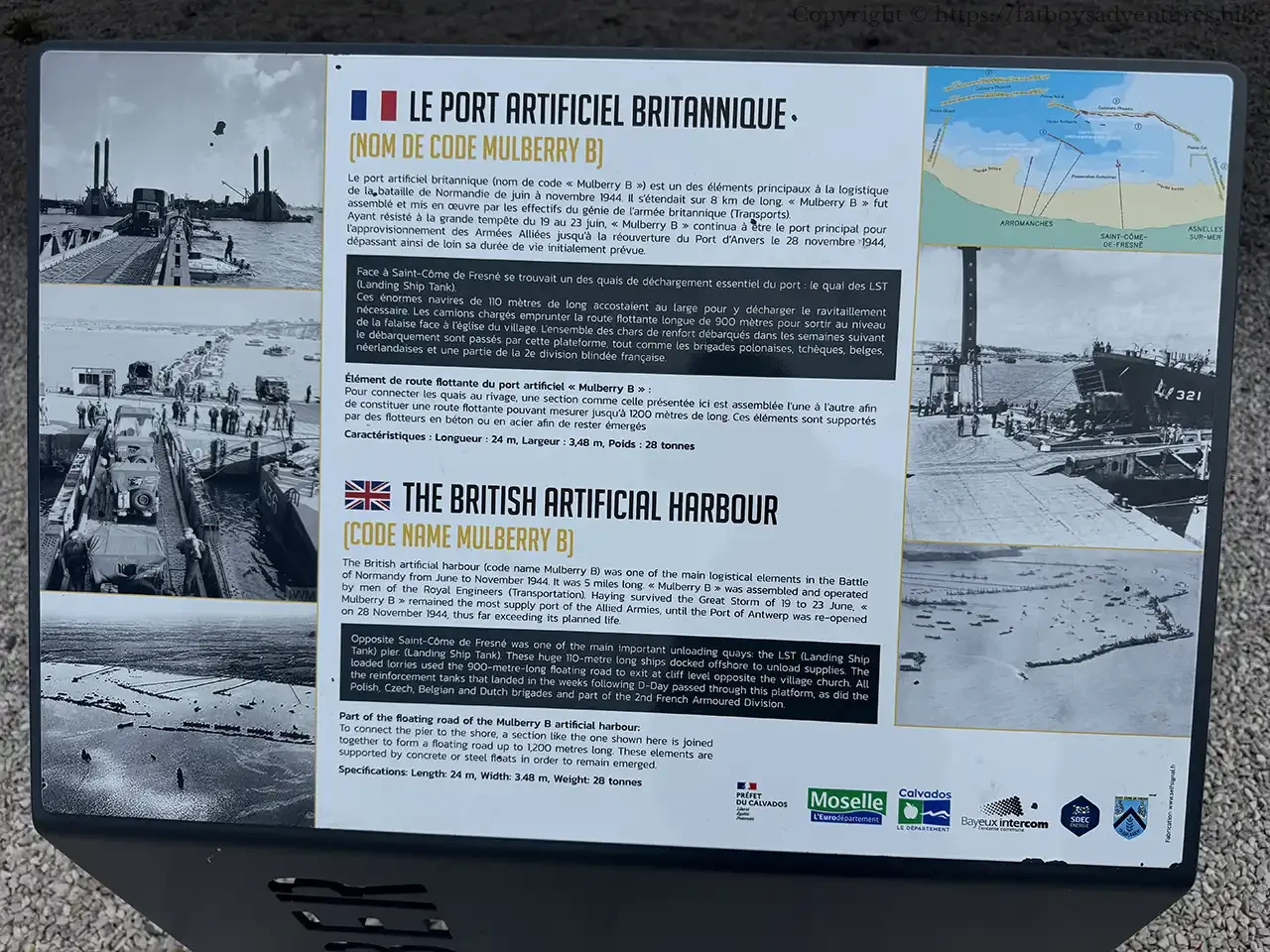
At Arromanches-les-Bains, the remains of the Mulberry Harbour still sit just offshore, visible reminders of the enormous engineering effort that followed the landings. The artificial harbour allowed Allied forces to unload vast quantities of supplies once the beaches had been secured.

Standing on the shoreline looking out towards the concrete blocks that still remain in the water gives you a sense of the scale and ingenuity behind the operation.

D-DAY Juno Beach, Sword Beach and Pegasus Bridge

Continuing east along the coast brings you to Juno Beach and Sword Beach, where Canadian and British forces landed during the invasion. Each beach has its own memorials and museums, but together they form part of the larger story of the day.

One of the final stops on the route was Pegasus Bridge, a location made famous by the British airborne troops who captured it in the opening moments of D-Day. Just beside the bridge sits the Café Gondrée, widely recognised as the first building in France to be liberated during the invasion.

Stopping there for a drink feels like a small but meaningful connection to the history of the place.

An Unexpected Discovery

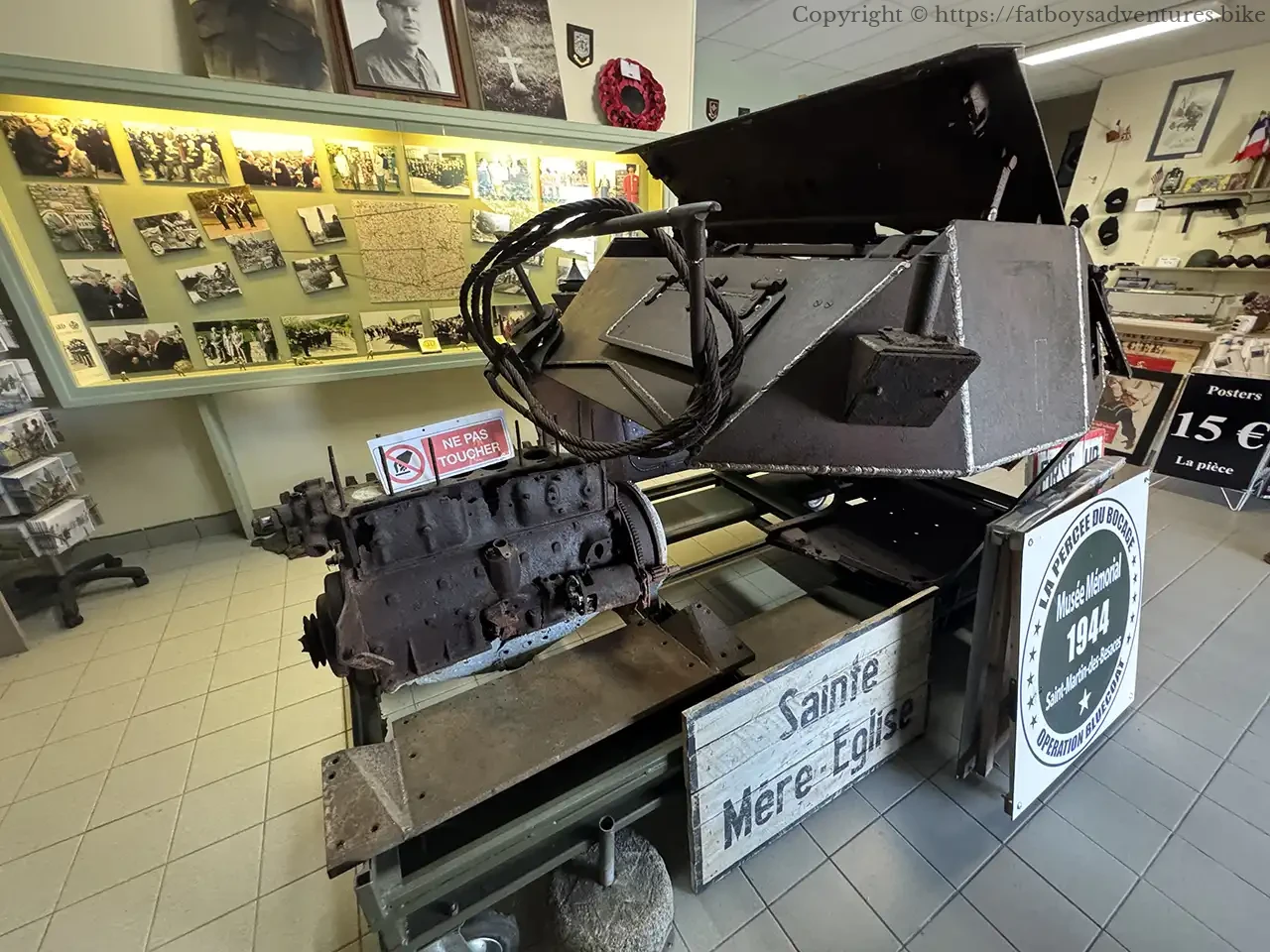
One of the best discoveries of the whole week was not even on our original plan. Just next to the campsite in the local village we found a remarkable museum called La Percée du Bocage, run by an English enthusiast who has built an incredibly detailed collection dedicated to the battle for Normandy.

The museum had been recommended to us by the campsite staff, and it quickly turned into one of the highlights of the entire trip. It was a perfect example of how some of the most memorable parts of a journey are often the ones you never planned at all.

A Week Among History

Spending a week riding through Normandy turned out to be far more than just a motorcycle tour. The roads themselves were enjoyable, winding through peaceful countryside and quiet villages, but the real impact of the trip came from being surrounded by places where history happened.

Every beach, monument and museum added another piece to the story, and travelling between them on motorcycles allowed us to experience the region at our own pace rather than rushing from one stop to another.

By the time the week came to an end and the bikes were pointed back towards home, Normandy had left a lasting impression. It is a place where the landscape looks peaceful today, yet every field, road and coastline carries echoes of what took place there in June 1944.

Take the long road home — miles today, stories tomorrow.
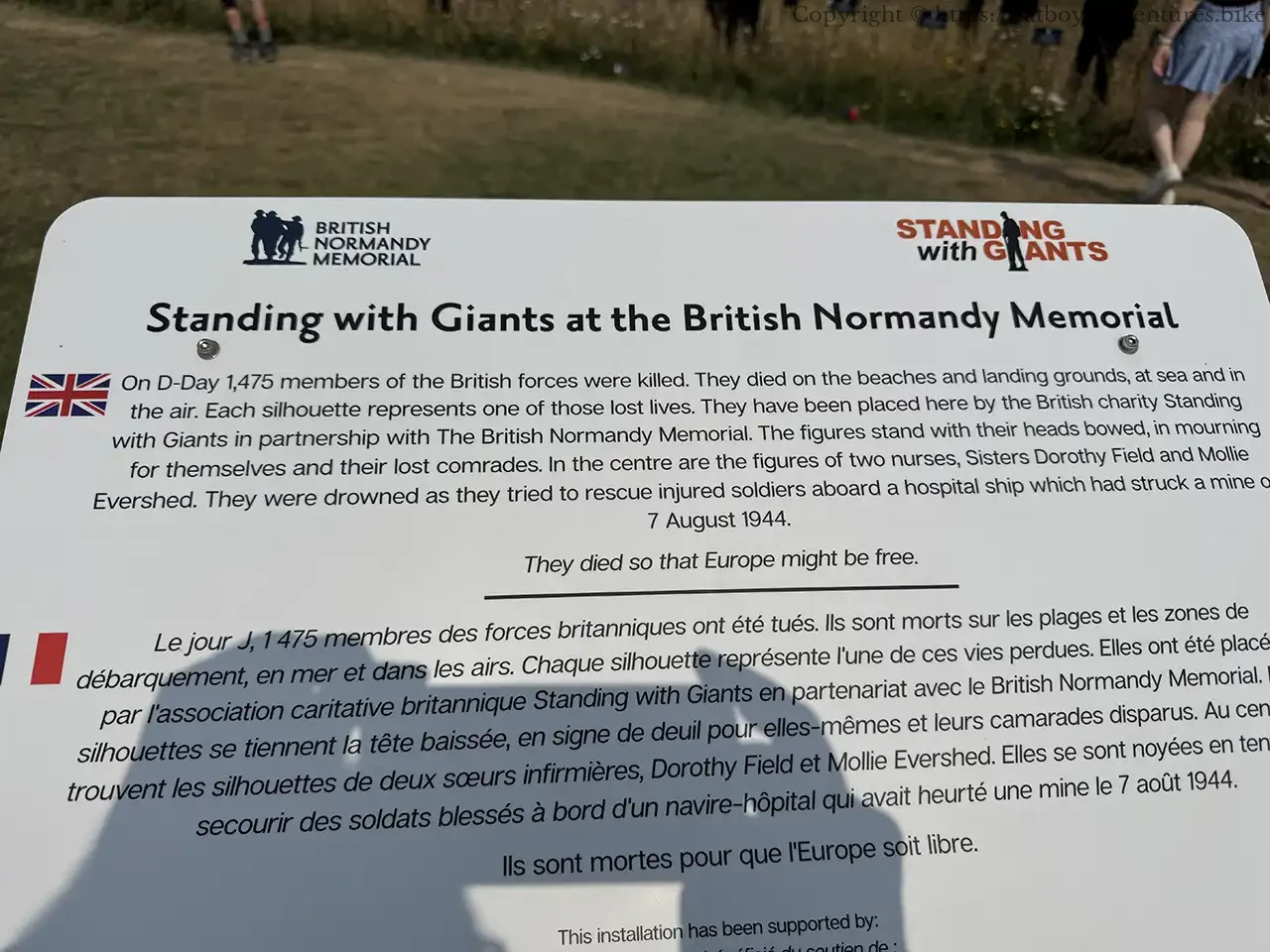
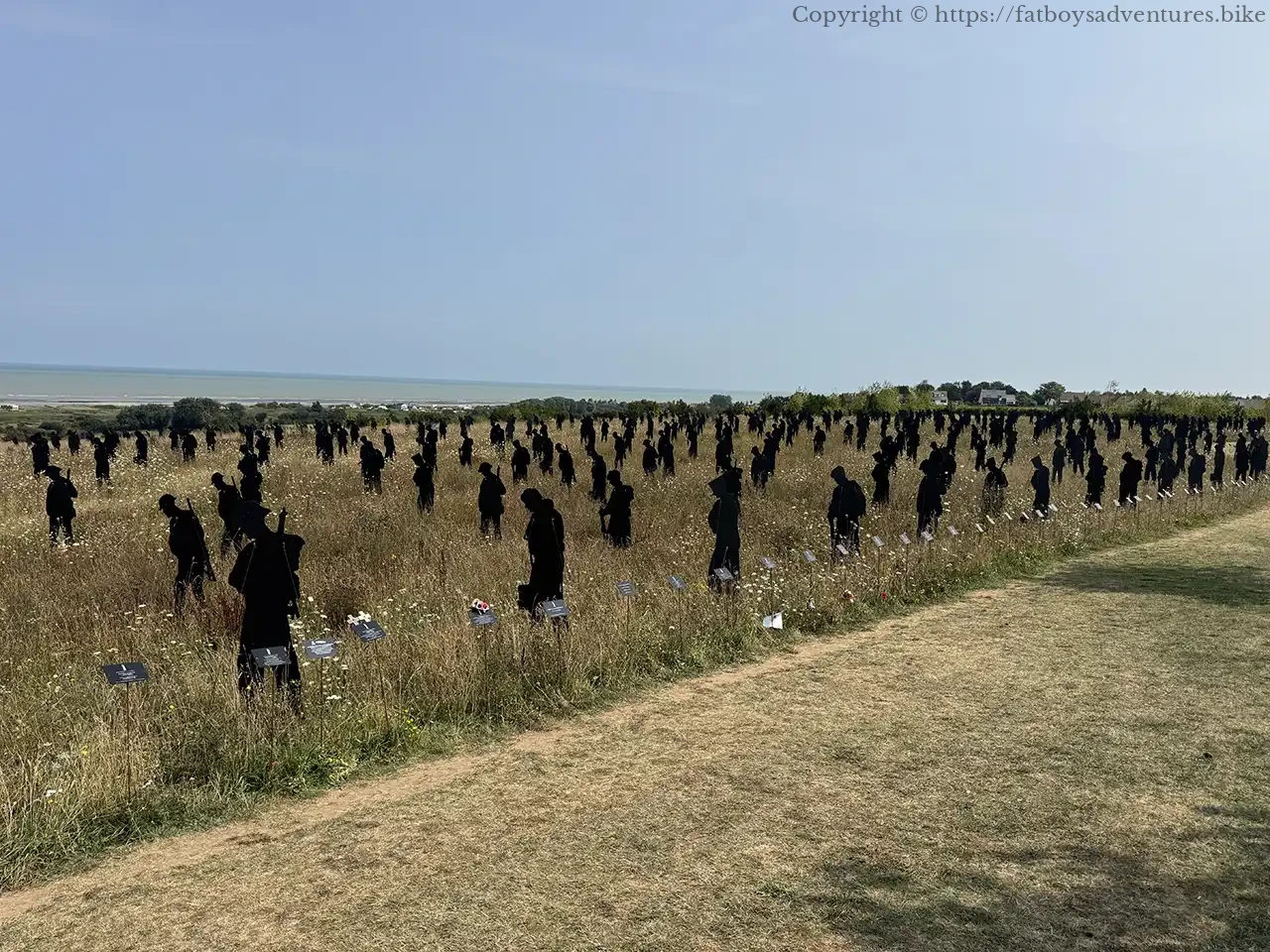
Ver Sur Mer Standing With Giants
Ver Sur Mer Silhouettes
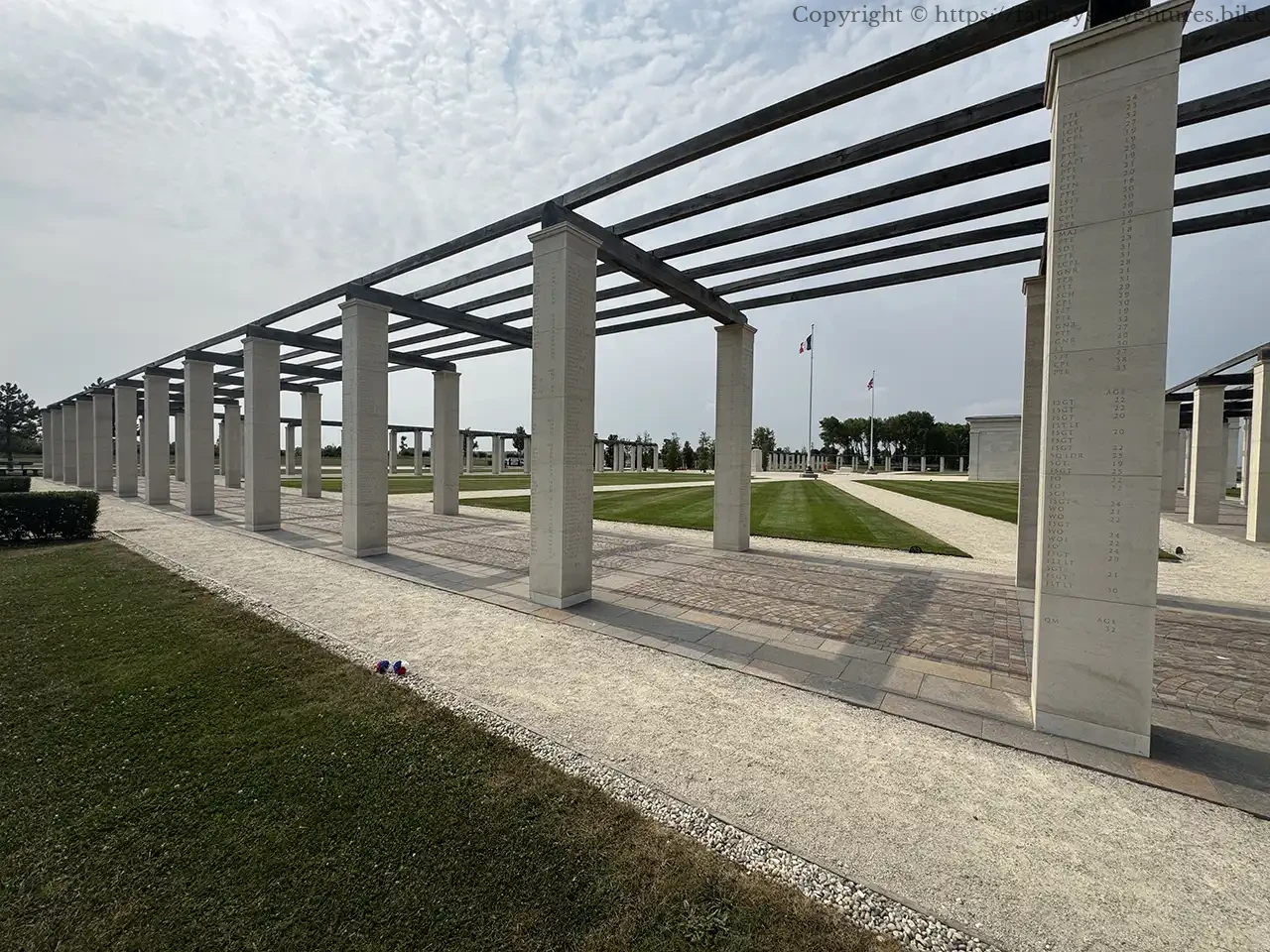
Ver Sur Mer Memorial Pillars
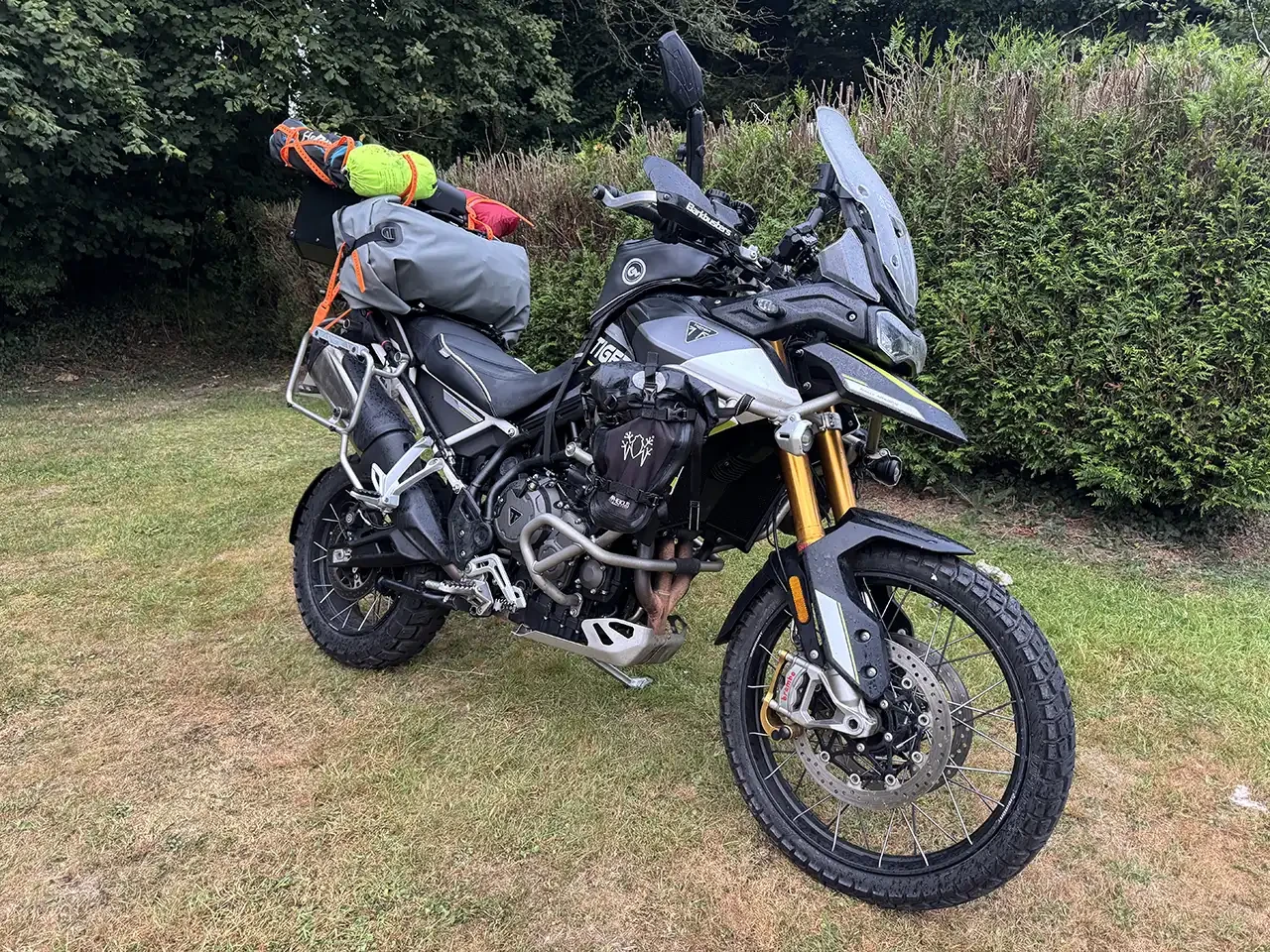
Triumph Tiger 900 rally Aragon
St Mere Eglise Parachute
Saint Come de Fresne Mulberry
Saint Come de Fresne Mulberry Beach
Saint Come de Fresne Mulberry B
Saint Come de Fresne Hot Dog
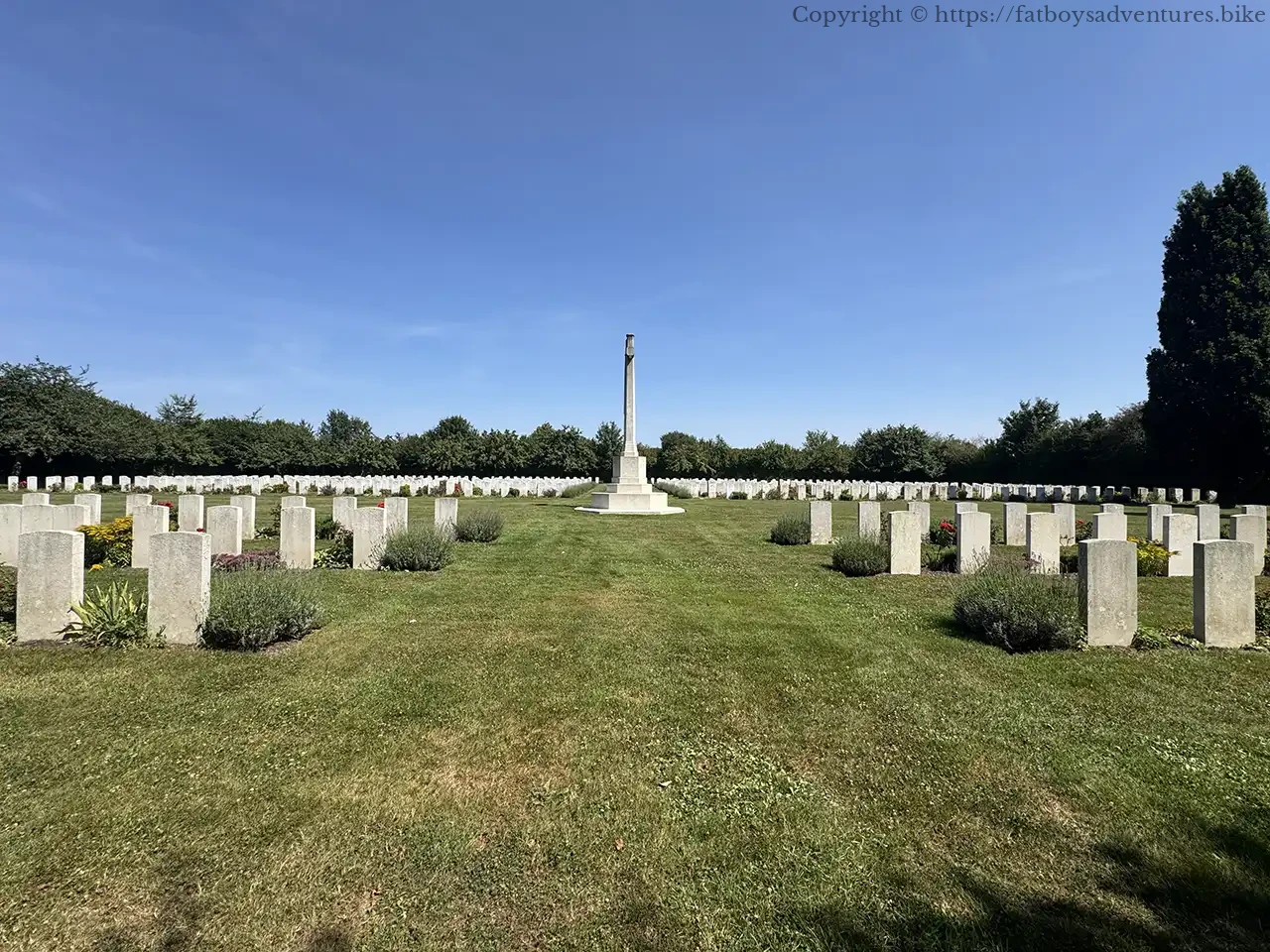
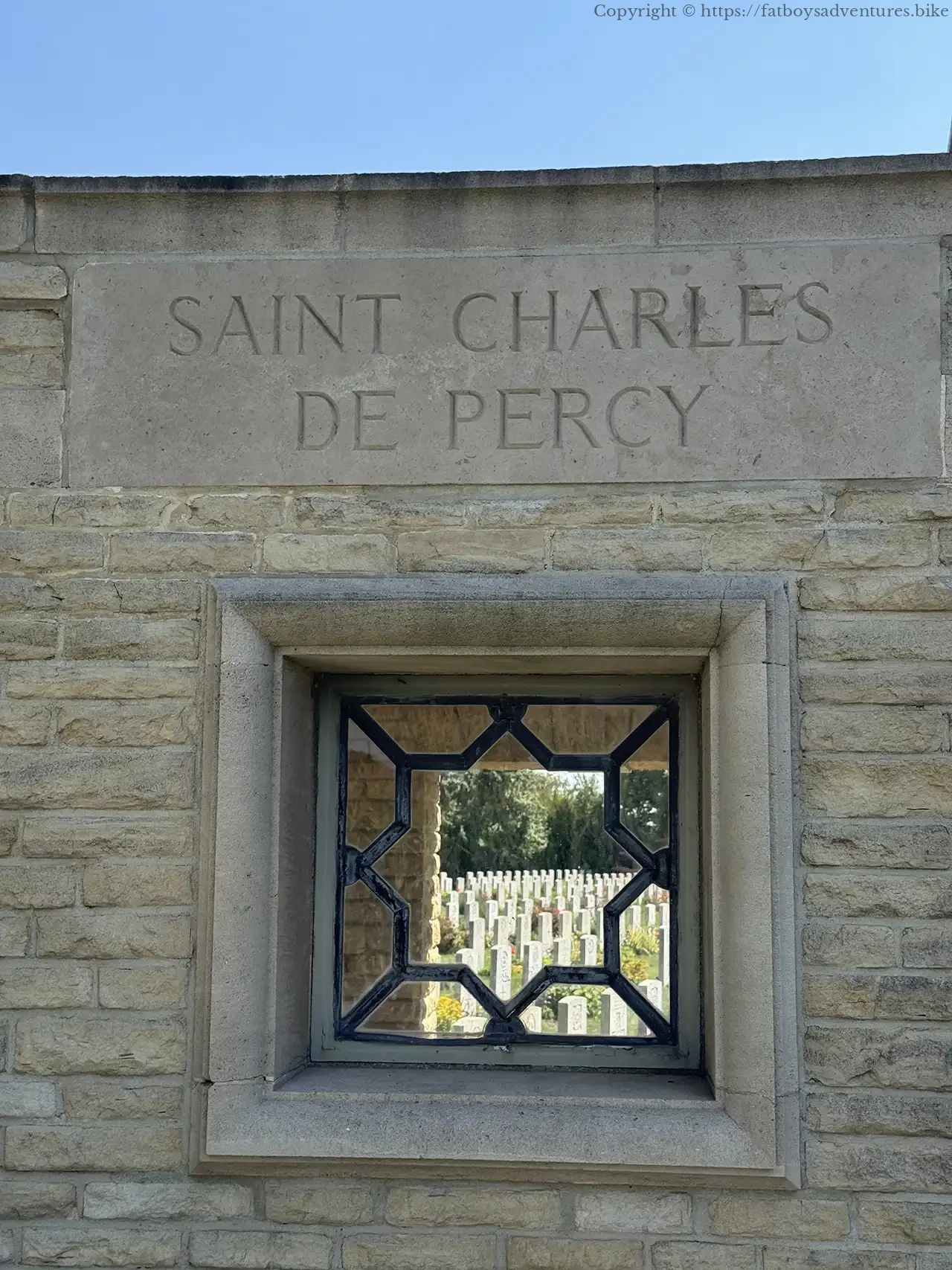
Saint Charles de Percy
Saint Charles de Percy War Graves
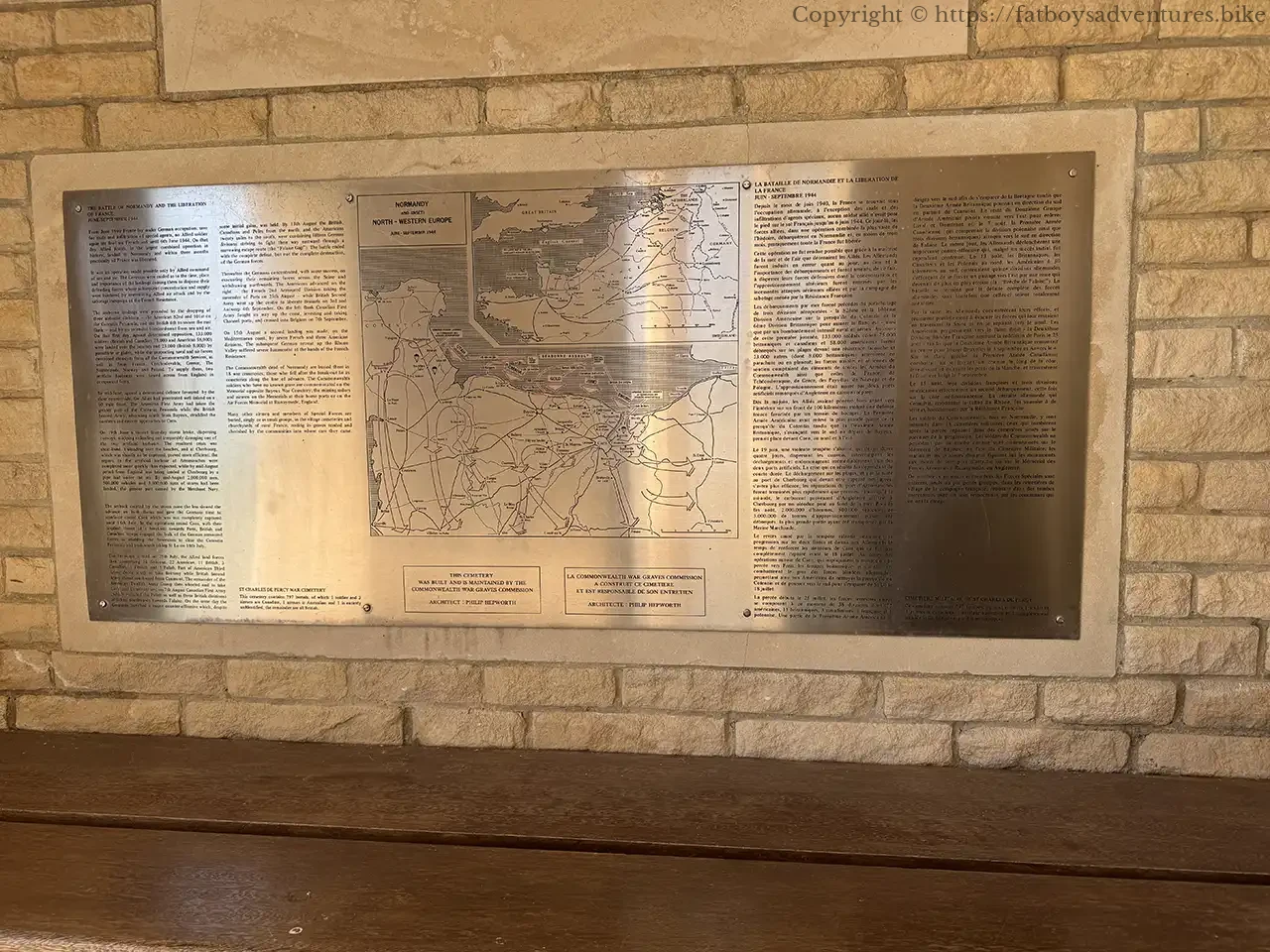
Saint Charles de Percy Plaque
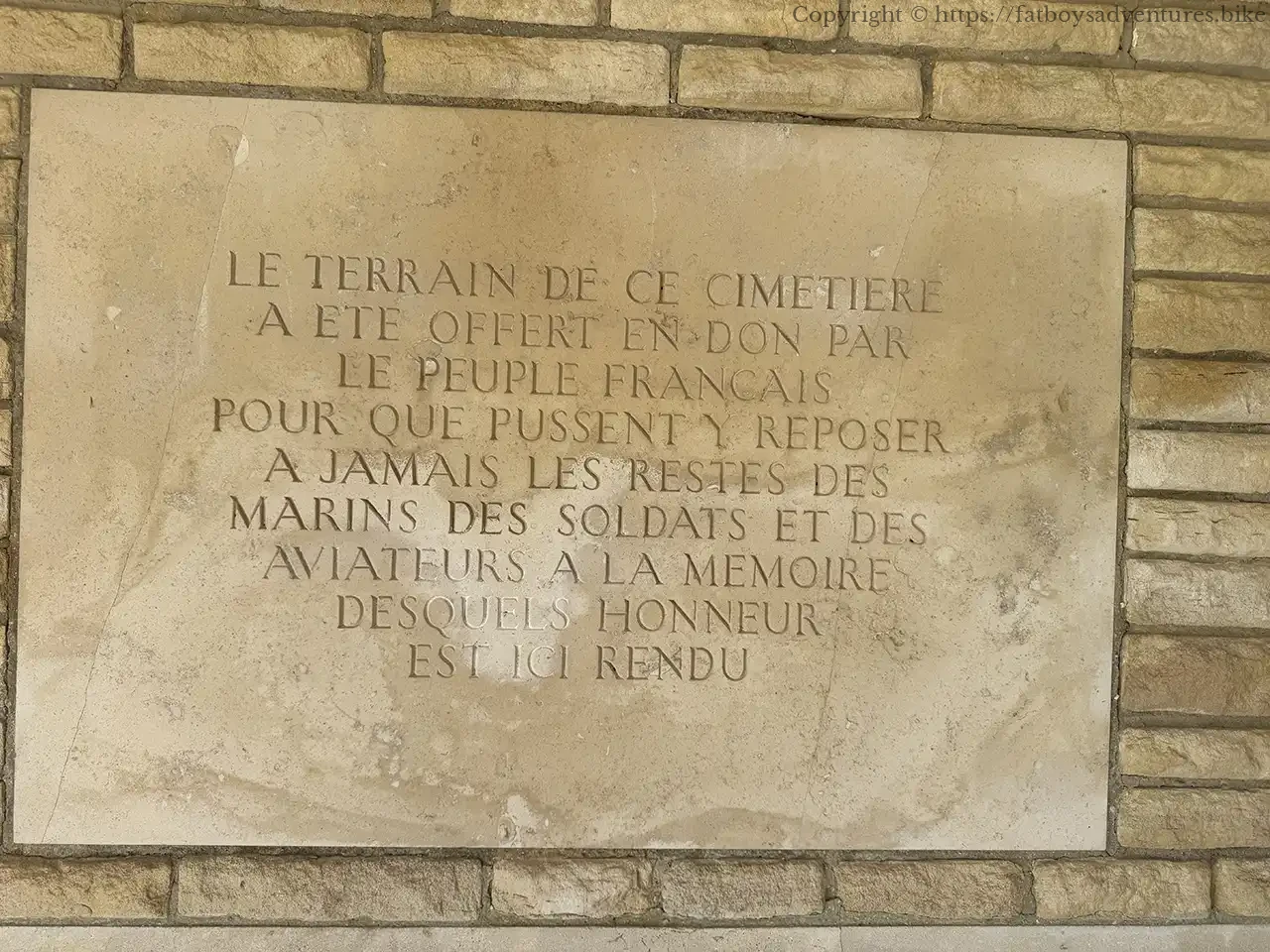
Saint Charles de Percy Plaque 3
Saint Charles de Percy Plaque 2
Saint Charles de Percy More War Graves
Saint Charles de Percy Dates
Saint Charles de Percy Cemetary
Museum 44 La Percee du Bocage
Camping Sous Les Etoiles Normandie
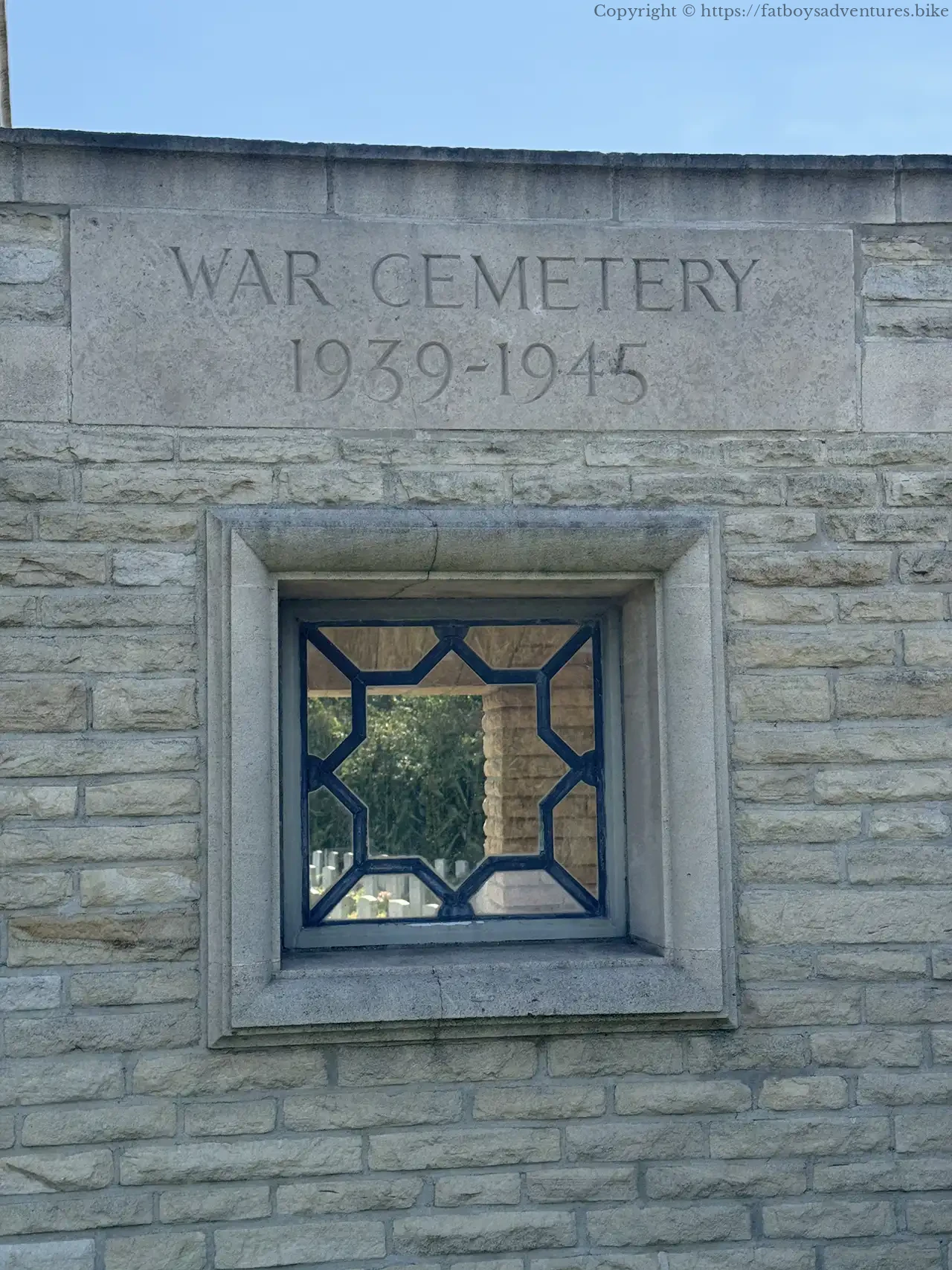
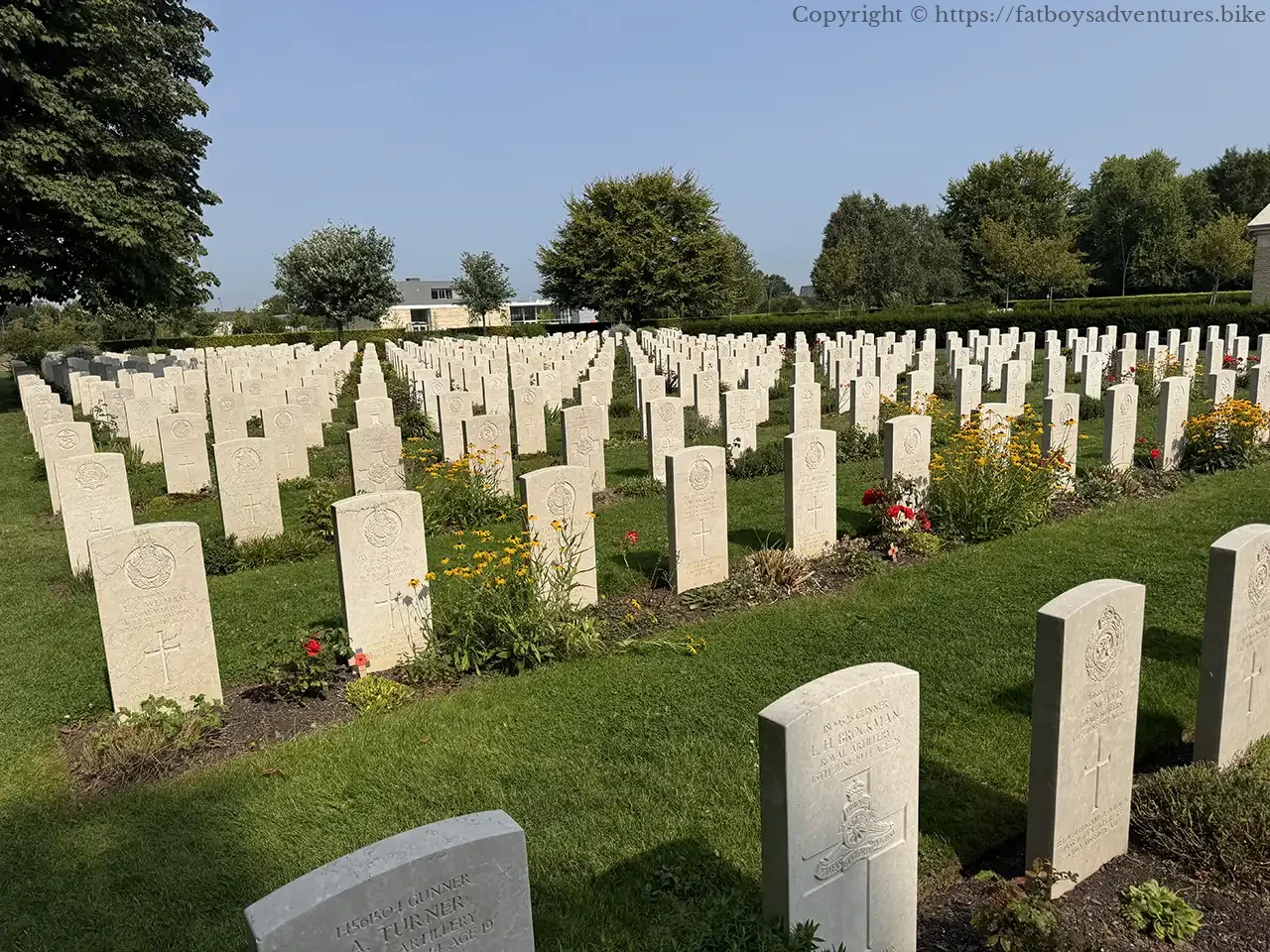
Bayeux War Cemetary
Bayeux War Cemetary
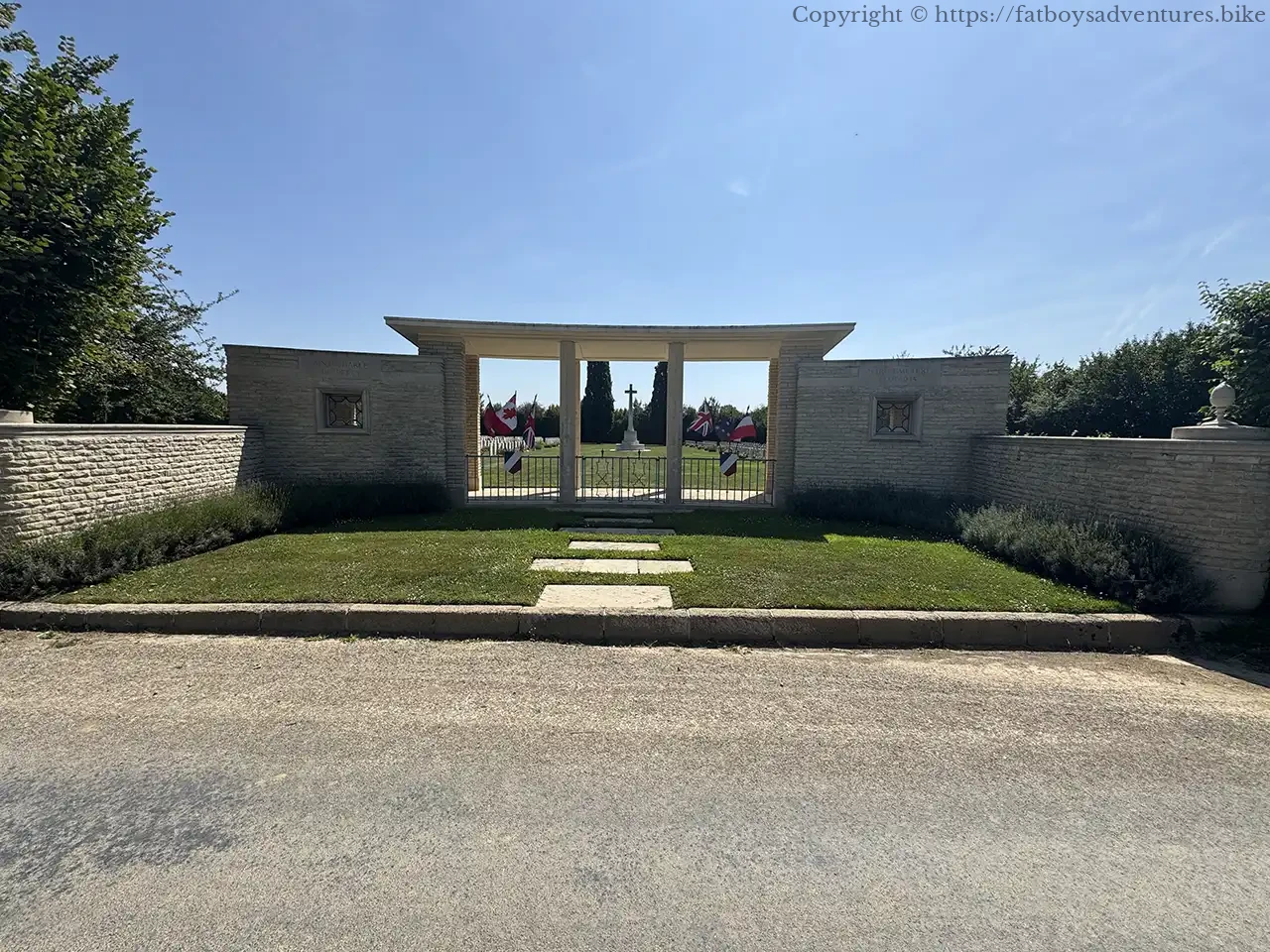
Bayeux War Cemetary Memorial
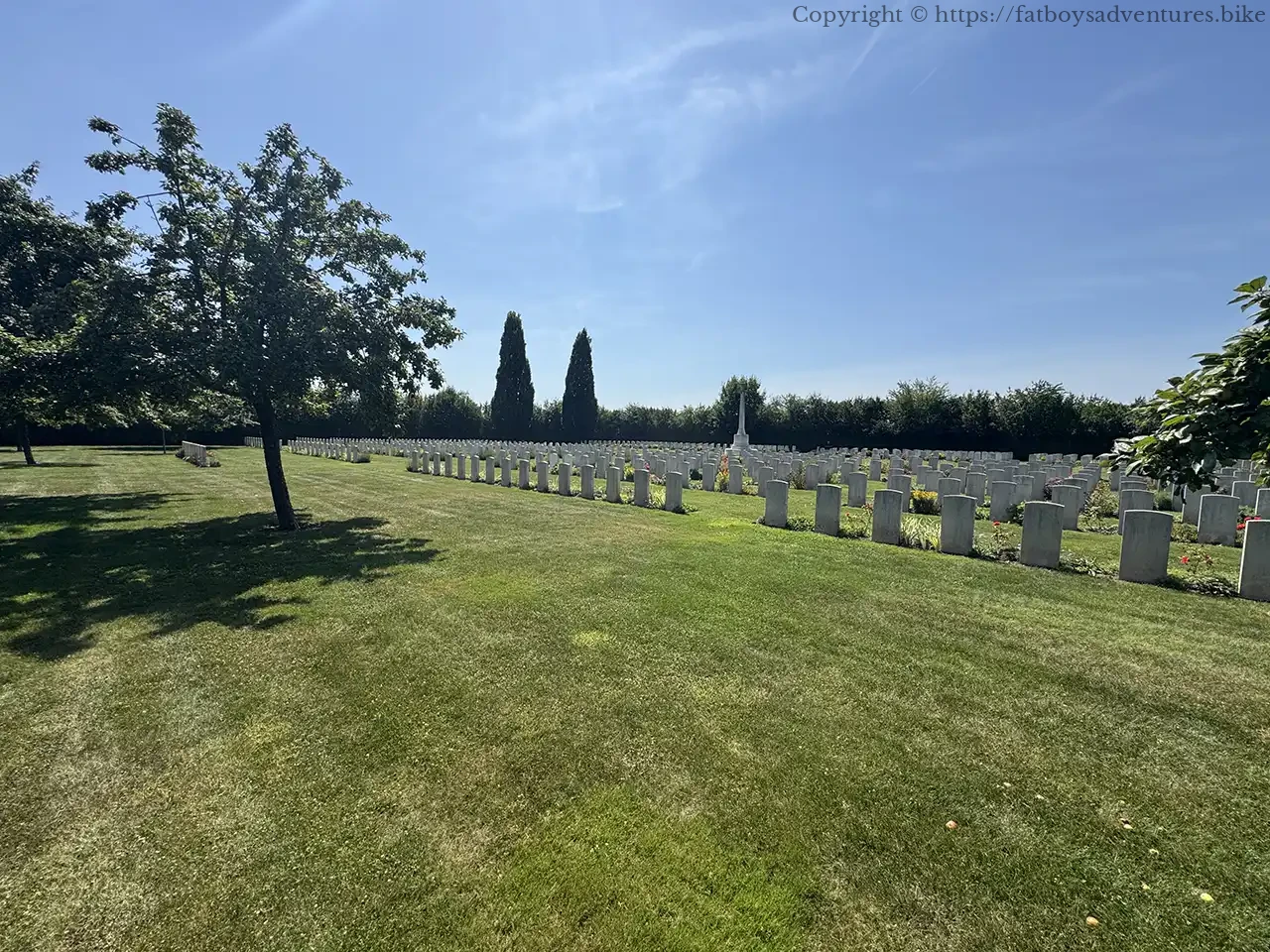
Bayeux War Cemetary Graves
Bayeux War Cemetary Graves 2

Filed Under: EU TOURING

Brittany Motorbike Tour

July 16, 2024 by Fat Boy

5 Days Riding the Best Roads of Northern France

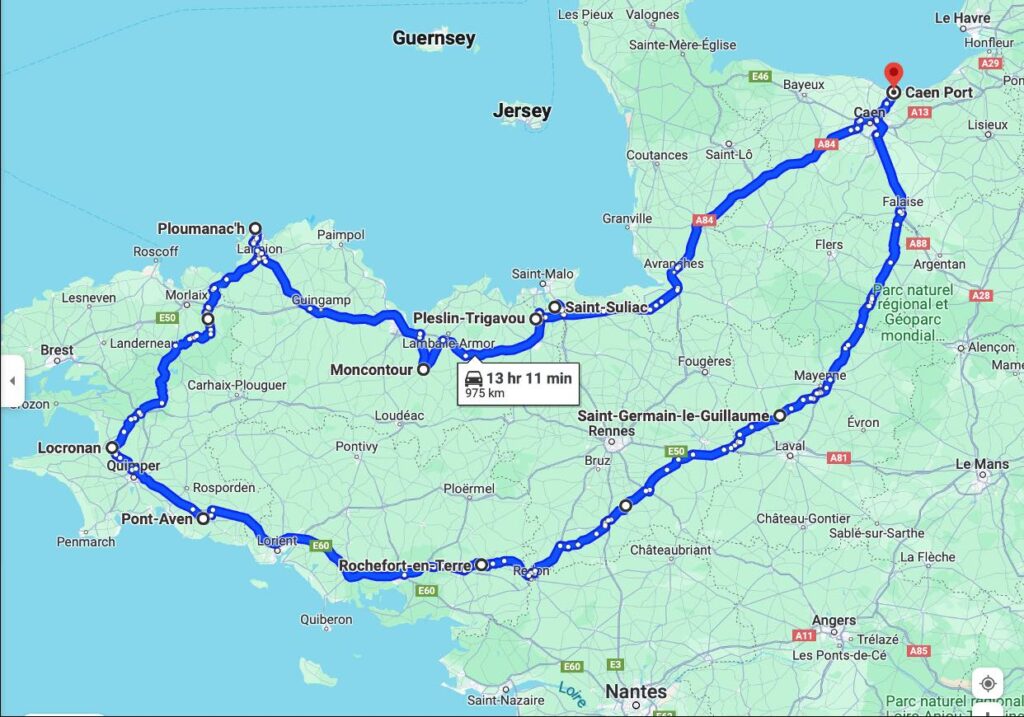
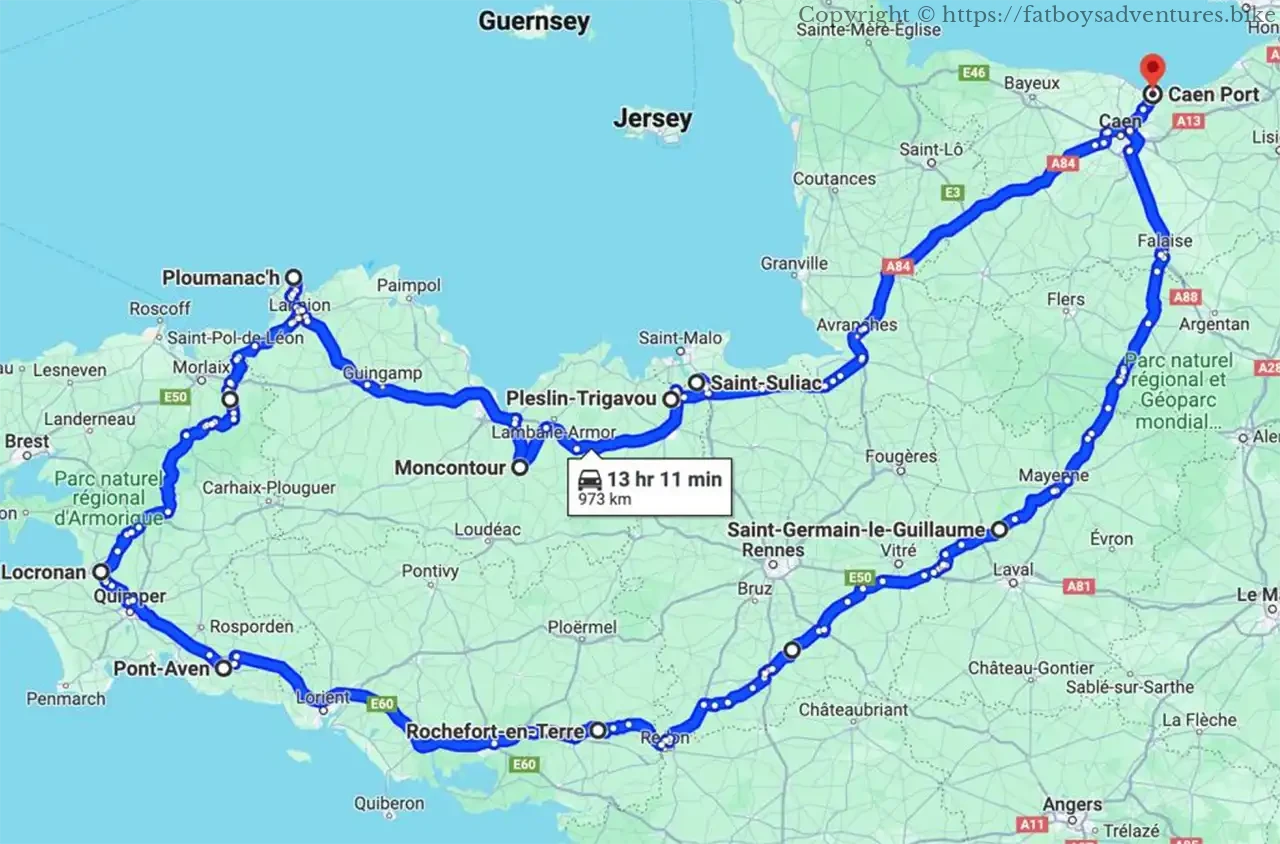
Brittany has always had a certain pull for motorcycle riders. The region sits on the far western edge of France, surrounded by rugged coastline, medieval towns and quiet countryside roads that seem almost designed for wandering without a strict plan. This particular trip was a five day ride starting from Caen and gradually working west and south across Brittany before looping back through the countryside of western France.

Rather than chasing famous mountain passes or headline destinations, the idea behind the trip was simple: find the smaller roads, ride through historic villages, and explore the quiet backroads that make France such a brilliant country to tour by motorcycle. Brittany delivered exactly that, with winding lanes, granite villages and coastal scenery that felt very different from the mountain routes further south.


Caen to Saint-Suliac

The ride began in Caen, heading west and south through Normandy before gradually crossing into Brittany. Like much of northern France, the roads here are perfect touring territory: smooth tarmac, sweeping corners and very little traffic once you leave the larger towns behind.

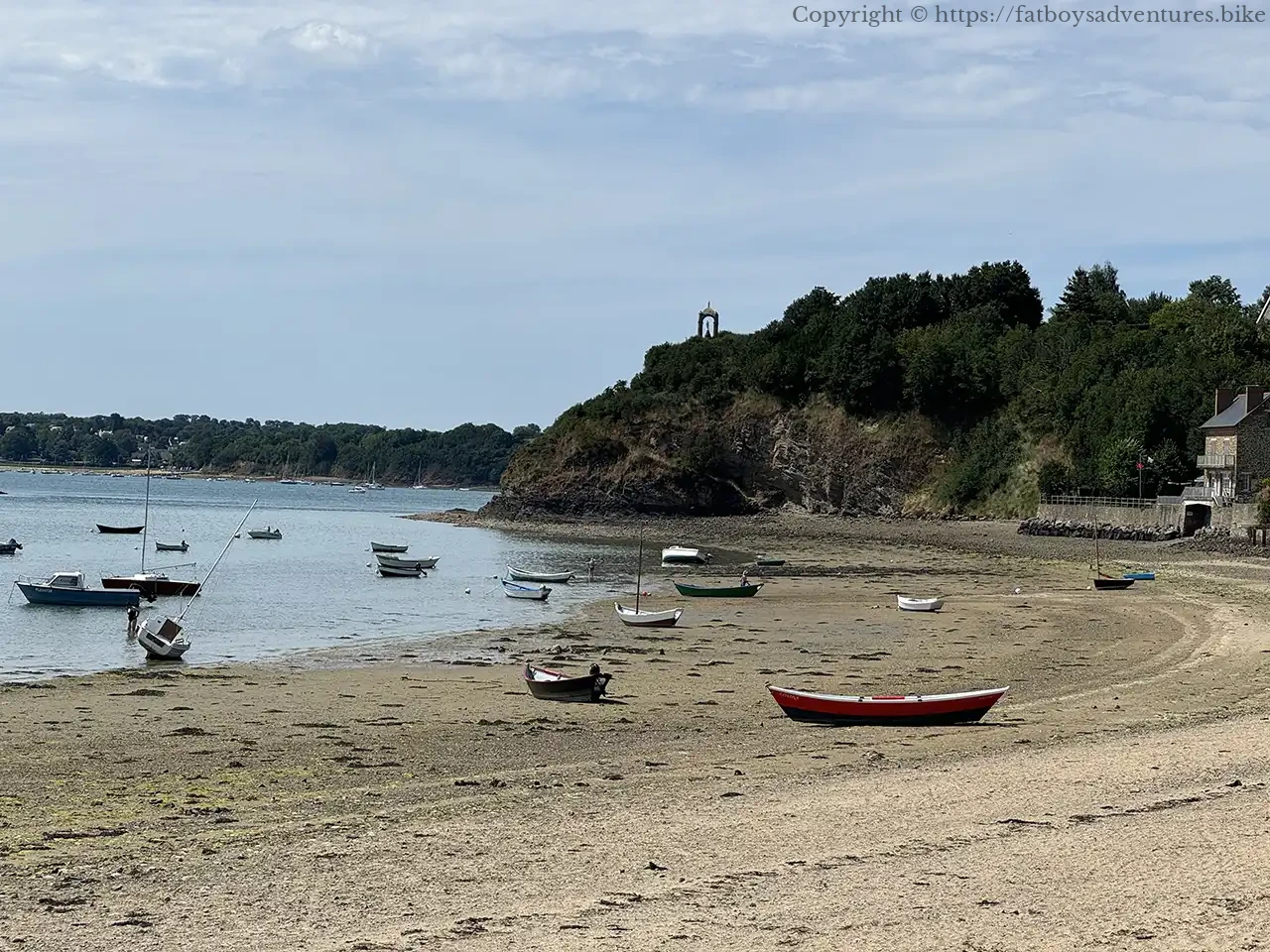
The destination for the first night was Saint-Suliac, a small historic village sitting on the banks of the River Rance estuary between Dinan and Dinard. Officially recognised as one of the “Most Beautiful Villages of France”, Saint-Suliac is exactly the sort of place that feels almost unchanged by time. Granite houses line the narrow streets, many dating from the 15th to the 18th century, with painted shutters, small gardens and plenty of maritime touches such as ropes, nets and small boats decorating the buildings.

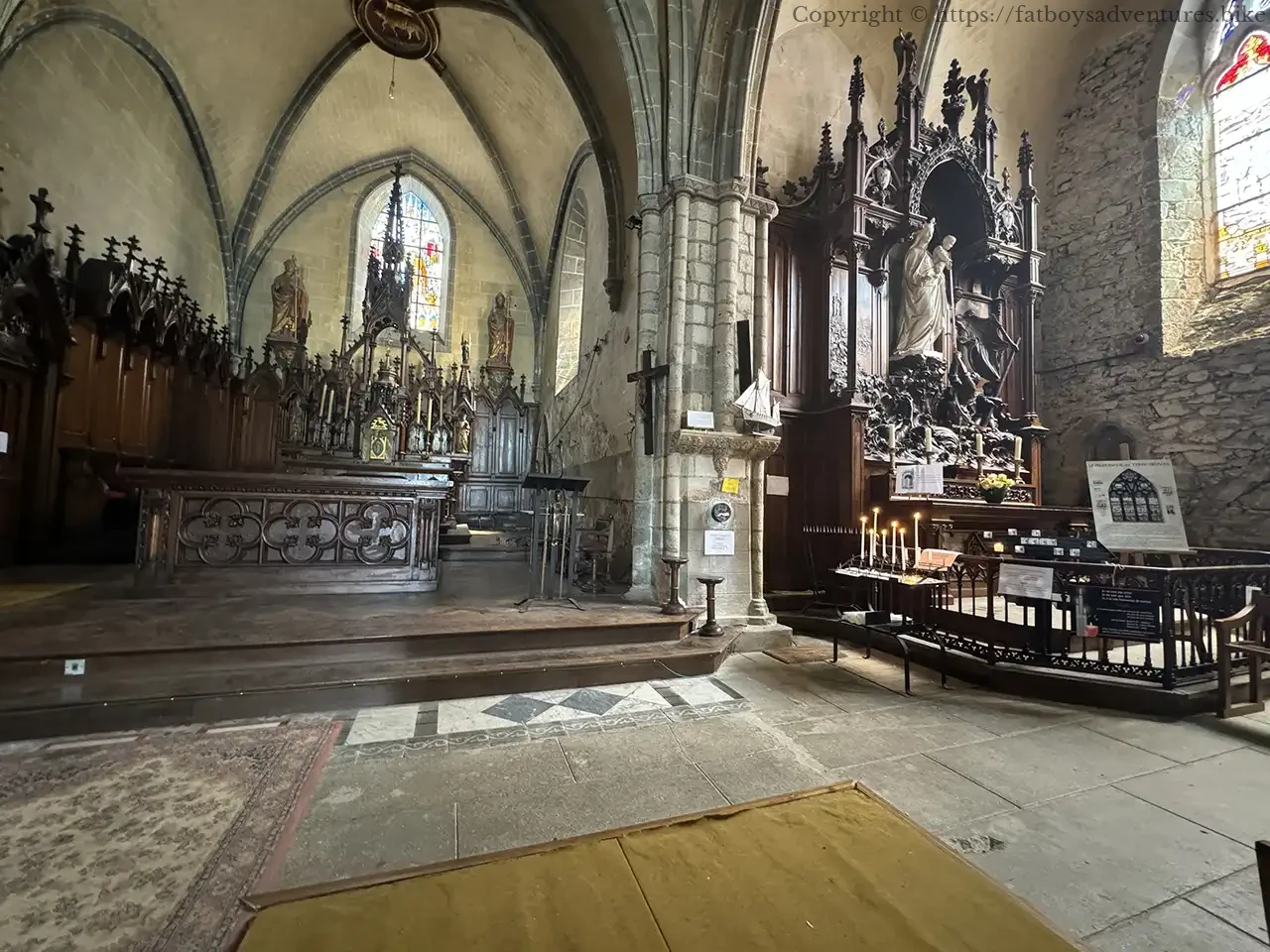
Walking through the centre of the village reveals a maze of quiet lanes and historic buildings, with the 13th-century church sitting at its heart. The church itself replaced an earlier 11th-century structure and is surrounded by a walled churchyard entered through ancient stone arches known as triumphal arches, which were once common in Brittany but are now rarely seen.

One of the more striking historical stories connected with Saint-Suliac took place in 1597 during the Wars of Religion. The villagers took refuge inside the church when an attacking force arrived by land and sea, and tragically none of the 250 villagers survived the assault. It is one of those quiet historical details that adds depth to places that otherwise seem peaceful and idyllic today.

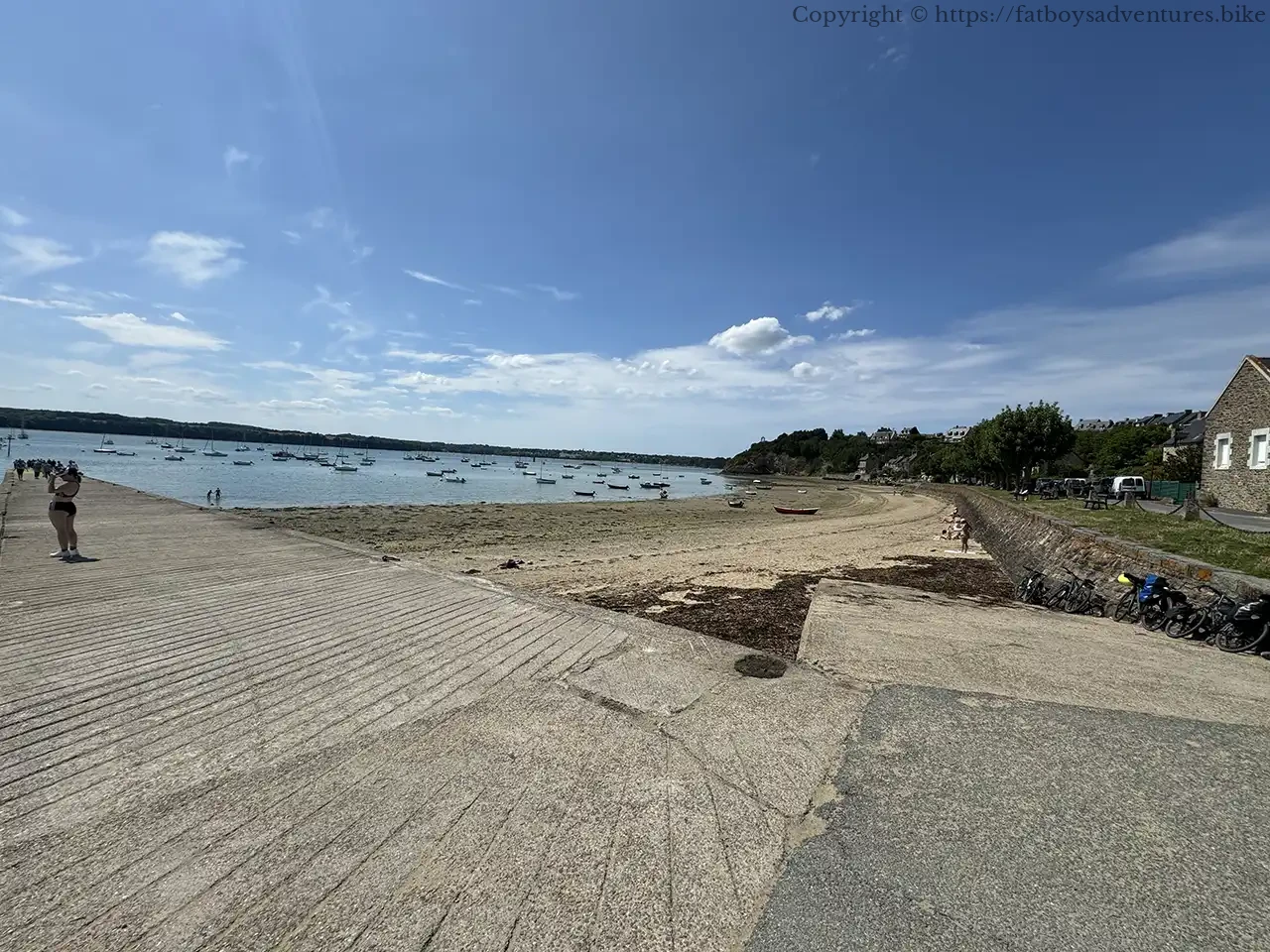
The riverside promenade along the Rance estuary is a perfect place to end the evening, with small boats moored along the water and cafés overlooking the river. A short ride or walk up to the Virgin of Grainfollet statue above the village provides panoramic views across the estuary and surrounding countryside.


BRITTANY Markets and Local Life Around Pleslin-Trigavou

The area around Pleslin-Trigavou offers a glimpse of everyday life in Brittany, and if your timing is right there are plenty of local markets worth visiting. Markets in nearby towns such as Dinan, Dinard, Cancale and Saint-Malo run throughout the week, offering local produce, fresh seafood and regional specialities.

For riders travelling through Brittany these markets provide a perfect opportunity to pause for coffee, pick up food for the road, and enjoy the atmosphere of small French towns that still revolve around traditional weekly markets.


Moncontour – A Medieval BRITTANY Walled Town

From Saint-Suliac the ride continued west through quiet countryside towards Moncontour, a small fortified town that sits on a promontory overlooking the surrounding landscape. Despite its modest size, Moncontour has an impressive presence thanks to its defensive walls, which date back to the 13th and 14th centuries.

Historically the town became wealthy during the 17th century as a centre for the linen trade, producing sailcloth that was considered among the best in the world. That prosperity left its mark on the architecture, with elegant granite houses and merchant buildings lining the streets around the central square.

Exploring the streets around Place de Penthièvre and Rue des Dames reveals some of the oldest buildings in the town, including traditional half-timbered houses and ornate granite structures decorated with iron balconies and colourful flower displays. The Church of Saint-Mathurin, built in baroque style during the town’s prosperous period, adds to the historic atmosphere of the town centre.


Ploumanac’h and the BRITTANY Pink Granite Coast

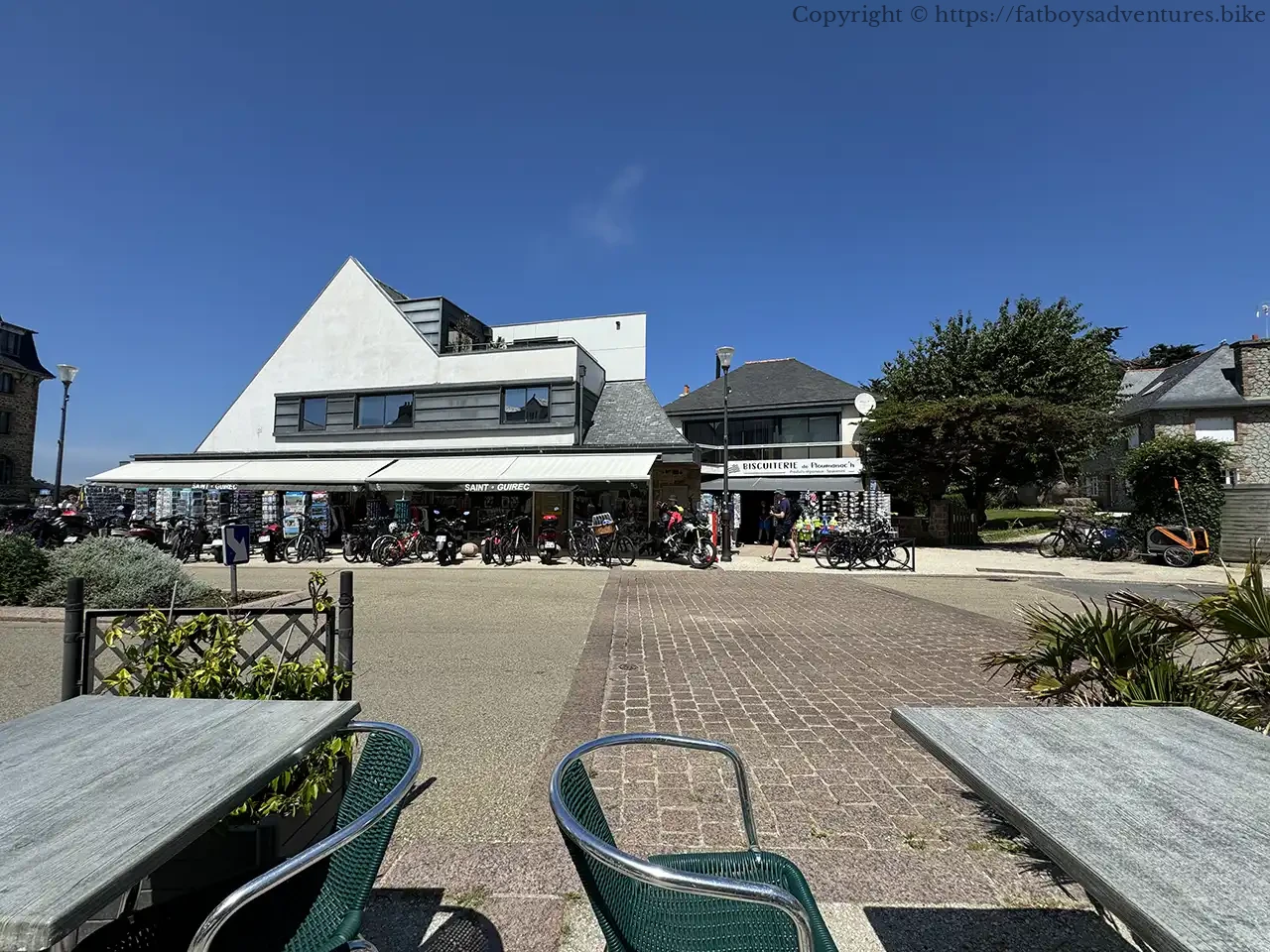
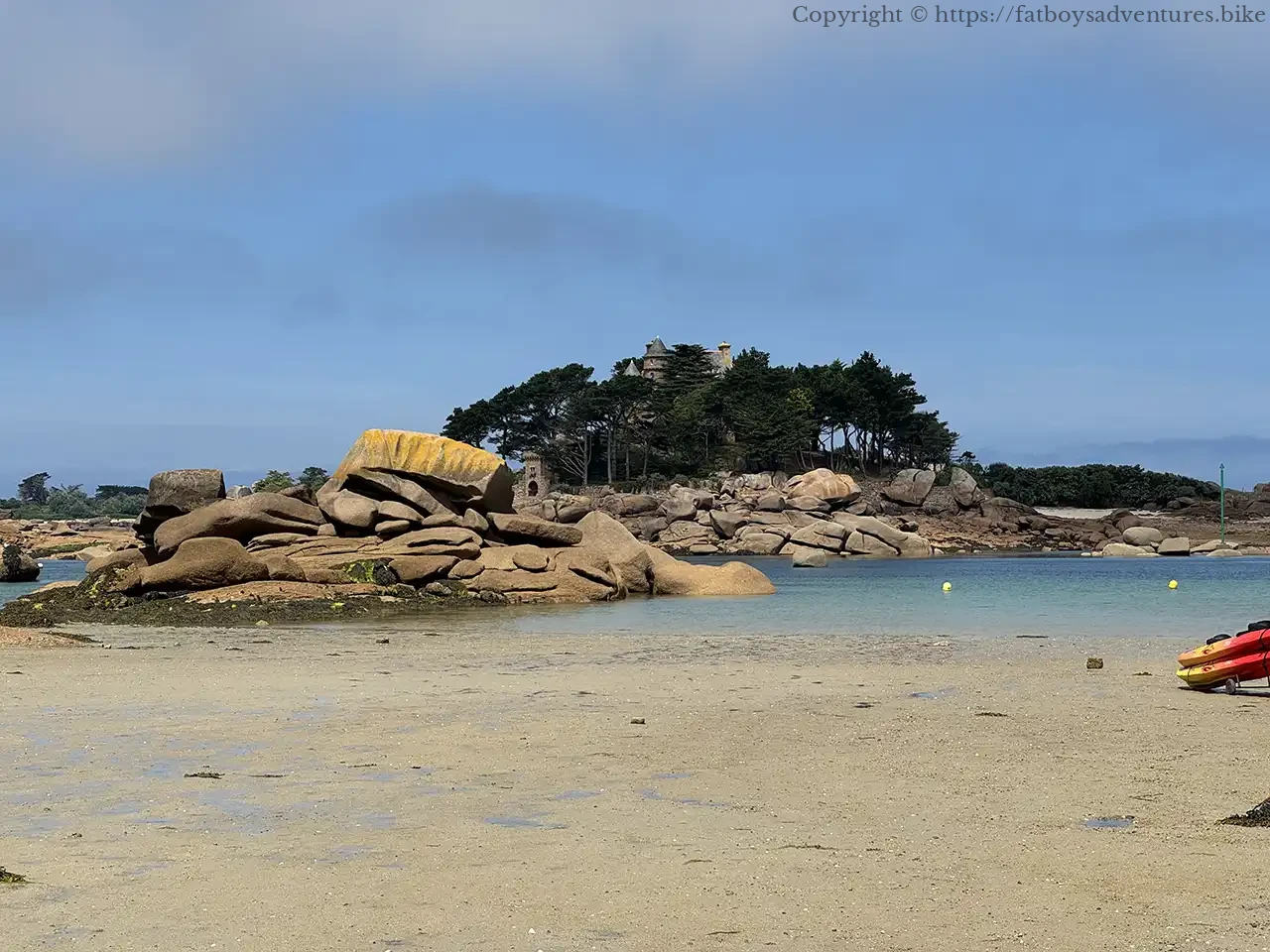
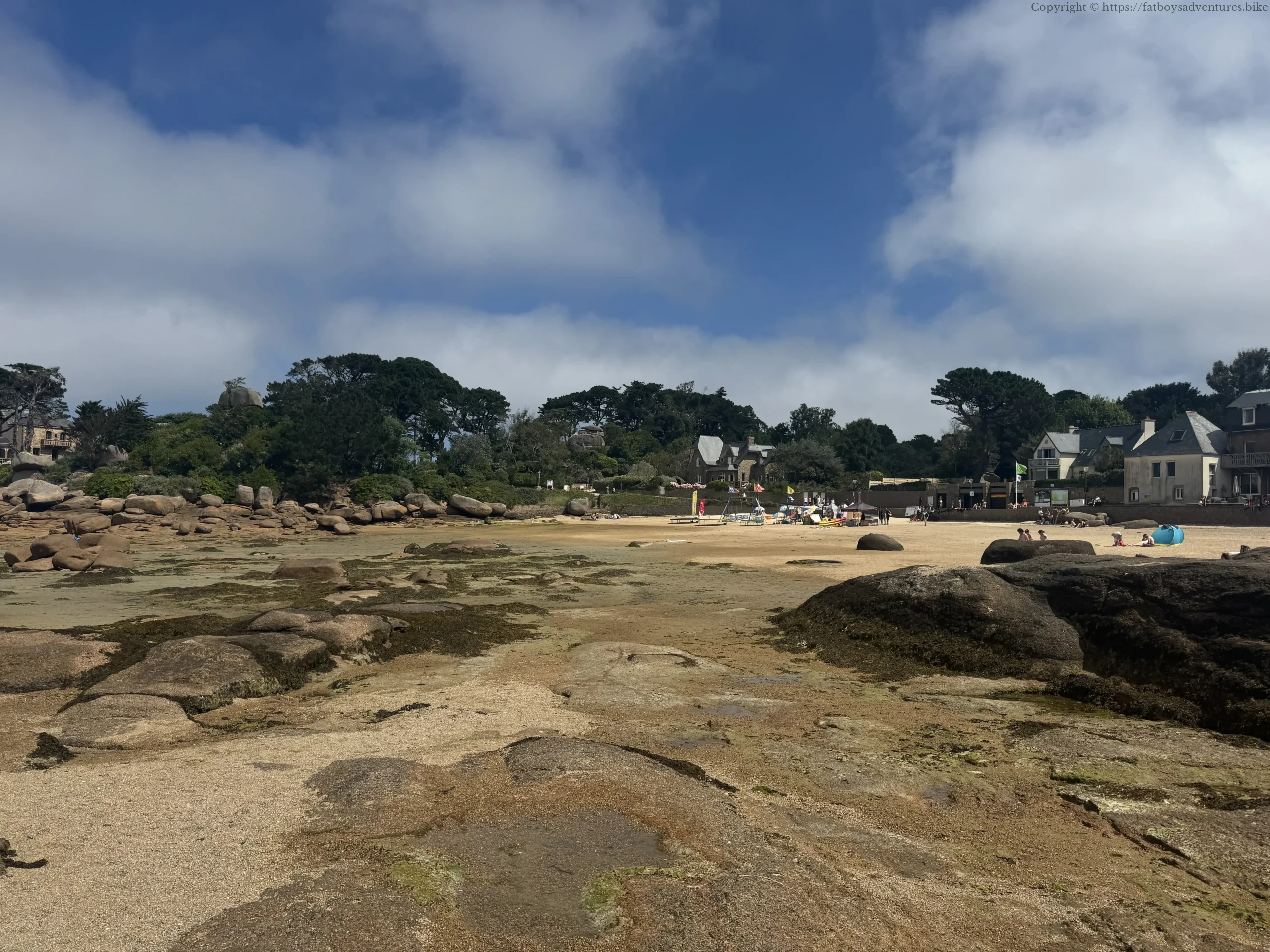
One of the most striking sections of the Brittany coastline lies around Ploumanac’h, a village famous for the extraordinary pink granite rock formations that dominate the shoreline. The village itself sits within the town of Perros-Guirec and forms part of the spectacular Côte de Granit Rose, or Pink Granite Coast.

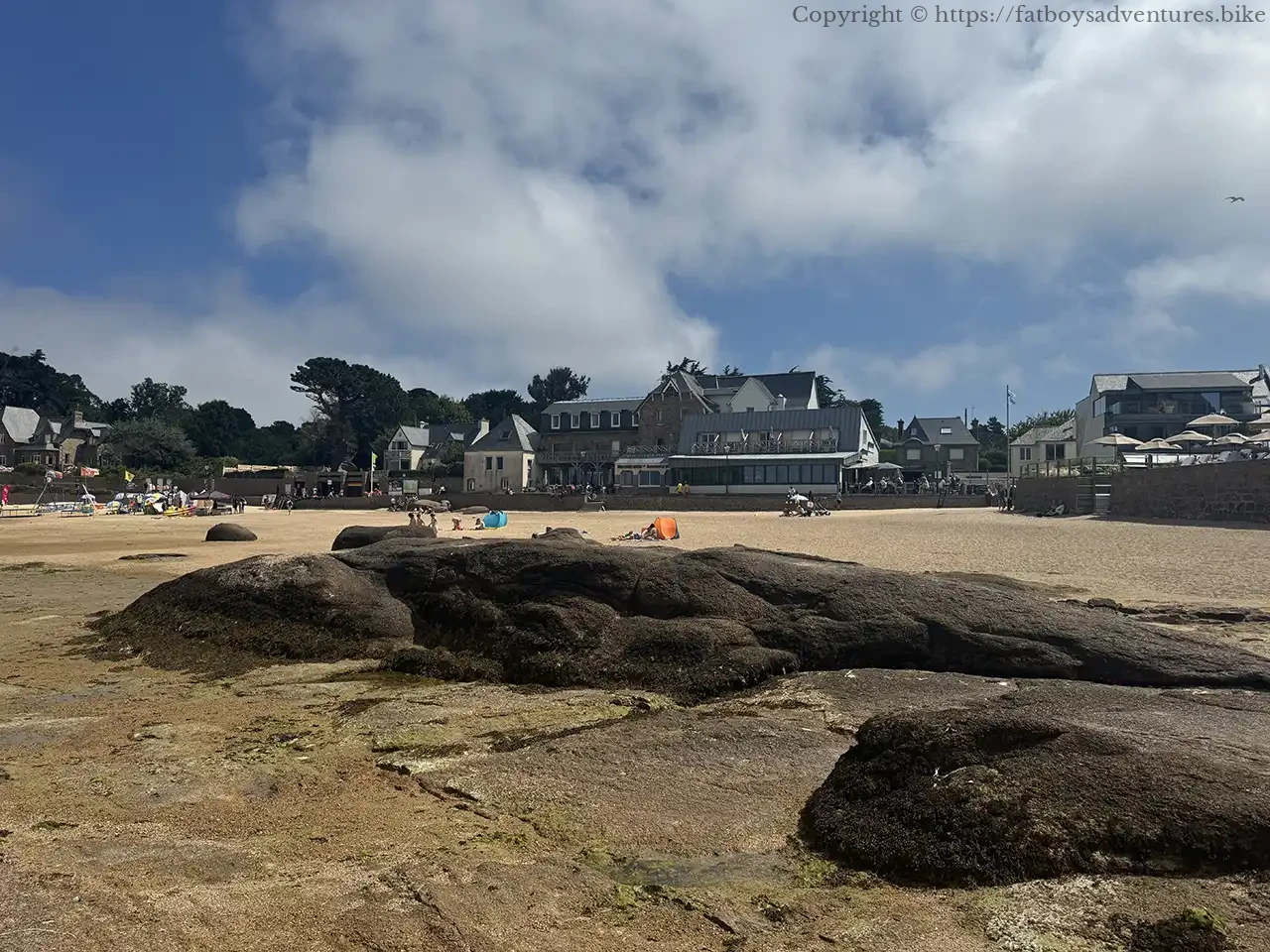
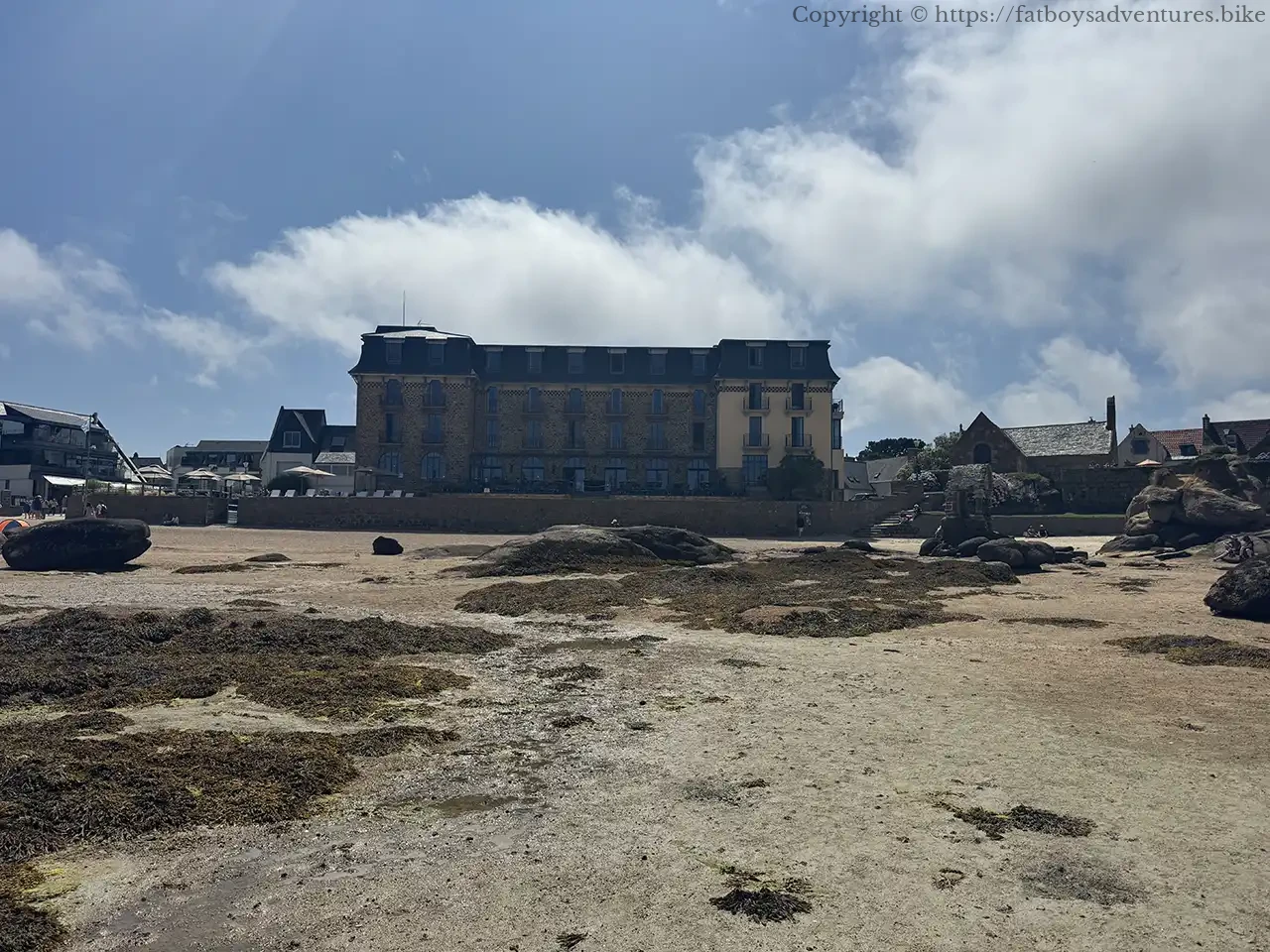
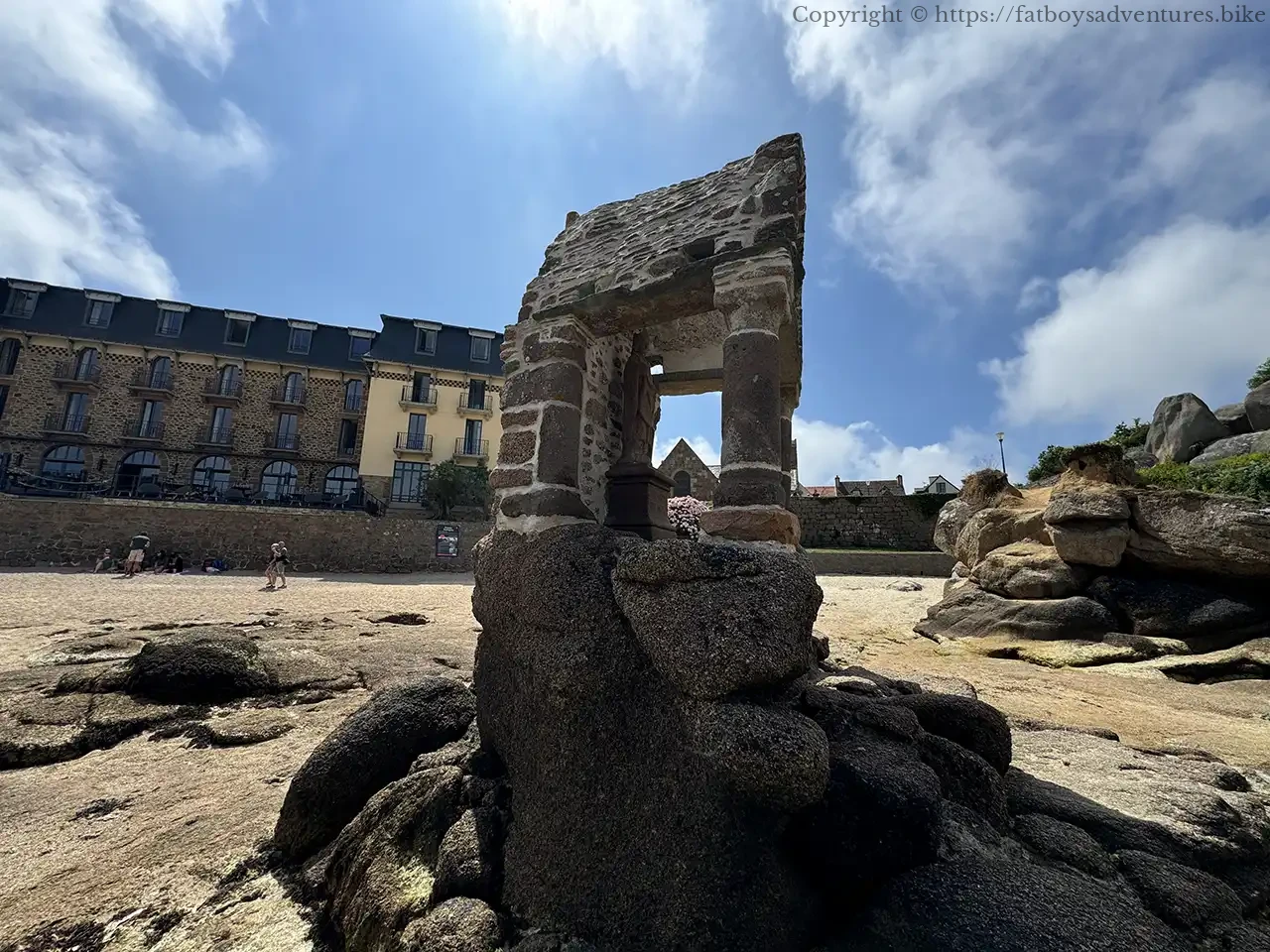
The small beach at Plage Saint-Guirec is surrounded by towering granite boulders sculpted by wind and sea over thousands of years. The nearby harbour provides a pleasant place to walk, with restaurants and small hotels overlooking the water.

The highlight of the area is the Phare de Men Ruz lighthouse, which stands among the massive pink granite formations at the northern tip of the headland. From here a coastal path winds along the cliffs, offering incredible views across the sea and towards some of the most unusual rock formations in Brittany. It is easy to spend a couple of hours simply wandering along the path, climbing over the rocks and taking in the views.


Locronan – One of the Most Beautiful Villages iN BRITTANY

Further south lies Locronan, a remarkably well-preserved medieval village that has changed very little over the centuries. Like Saint-Suliac, Locronan is officially classified as one of the most beautiful villages in France, and it is easy to see why.

The entire village centre is built from local granite, with slate roofs and narrow cobbled streets leading towards the central square, Place de l’Église. The square is dominated by the impressive Church of Saint Ronan, dating from the 15th century, which stands among rows of historic houses built during the town’s prosperous sailcloth trading era.

The atmosphere here feels almost theatrical, which explains why Locronan has been used as a filming location for several historical films, including Roman Polanski’s Tess. Walking through the streets feels like stepping back into another century.


Quimper – Historic Capital of Finistère

Continuing south brings you to Quimper, the historic capital of the Finistère region. The town sits in a picturesque valley where the Odet and Steir rivers meet, creating a charming setting for one of Brittany’s most attractive historic centres.

The focal point of the town is the impressive Cathedral of Saint-Corentin, a gothic structure built between the 13th and 16th centuries. Around the cathedral spreads a network of cobbled streets filled with medieval half-timbered buildings, traditional shops and cafés.

The rivers running through the town add to the charm, with small bridges linking different parts of the historic centre. Exploring the streets around Rue Kéréon and Place Terre au Duc reveals some of the most picturesque corners of Quimper.


Pont-Aven – The Artists’ Town

A short ride east from Quimper leads to Pont-Aven, a charming riverside town famous for its historic watermills and artistic heritage. During the late 19th century the town became a hub for artists, most famously attracting the painter Paul Gauguin, whose time here helped establish the famous Pont-Aven School of Art.

Today the town still retains its artistic atmosphere, with galleries, studios and small cafés lining the riverbanks. The watermills that once powered the town’s industry remain a defining feature of the landscape, and a walk along the river reveals the remains of several historic mills.

Pont-Aven is also famous for its butter biscuits, known locally as galettes de Pont-Aven, which have been produced here since the late 19th century.


Rochefort-en-Terre – A Village of Granite and Flowers

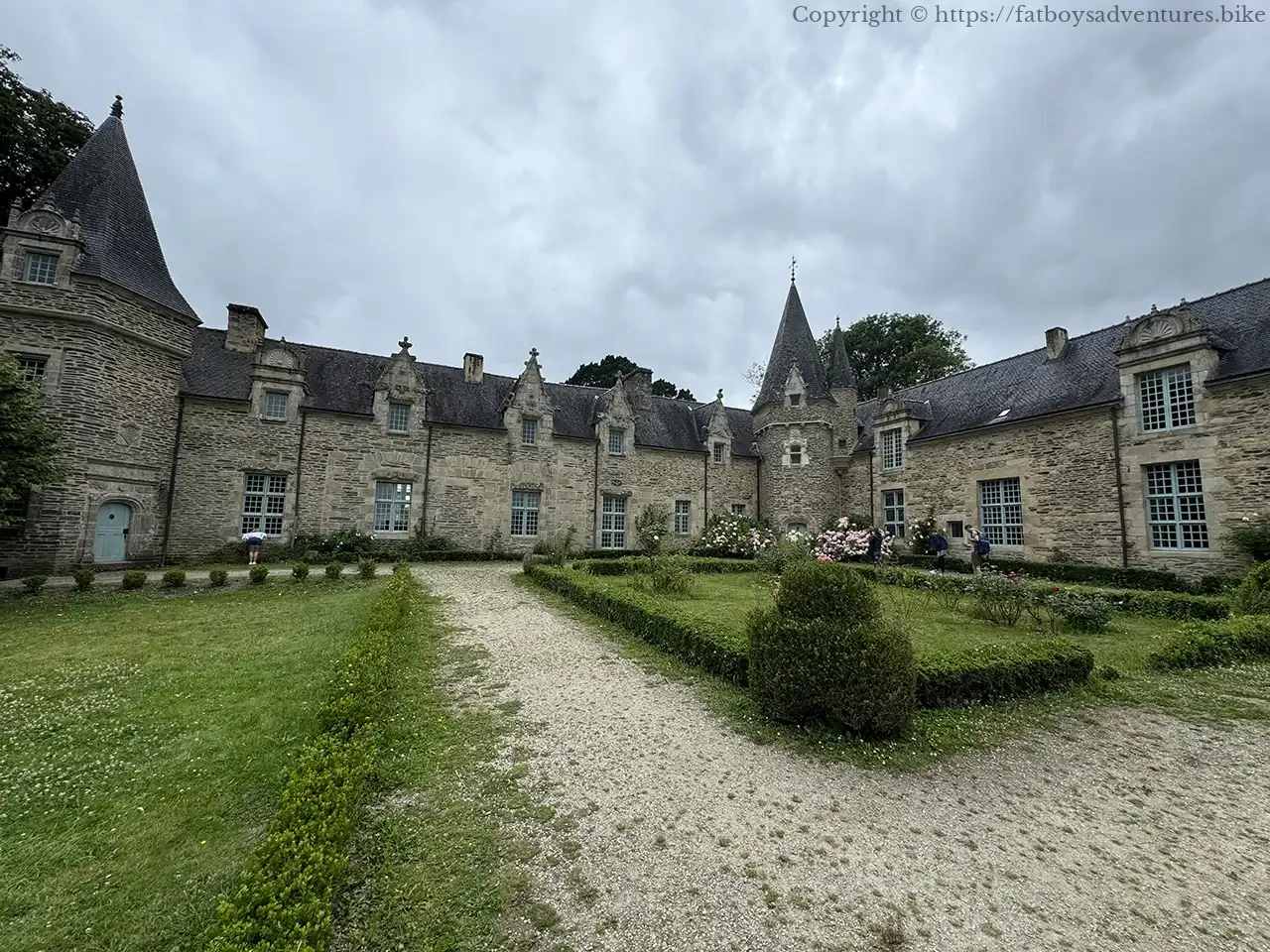
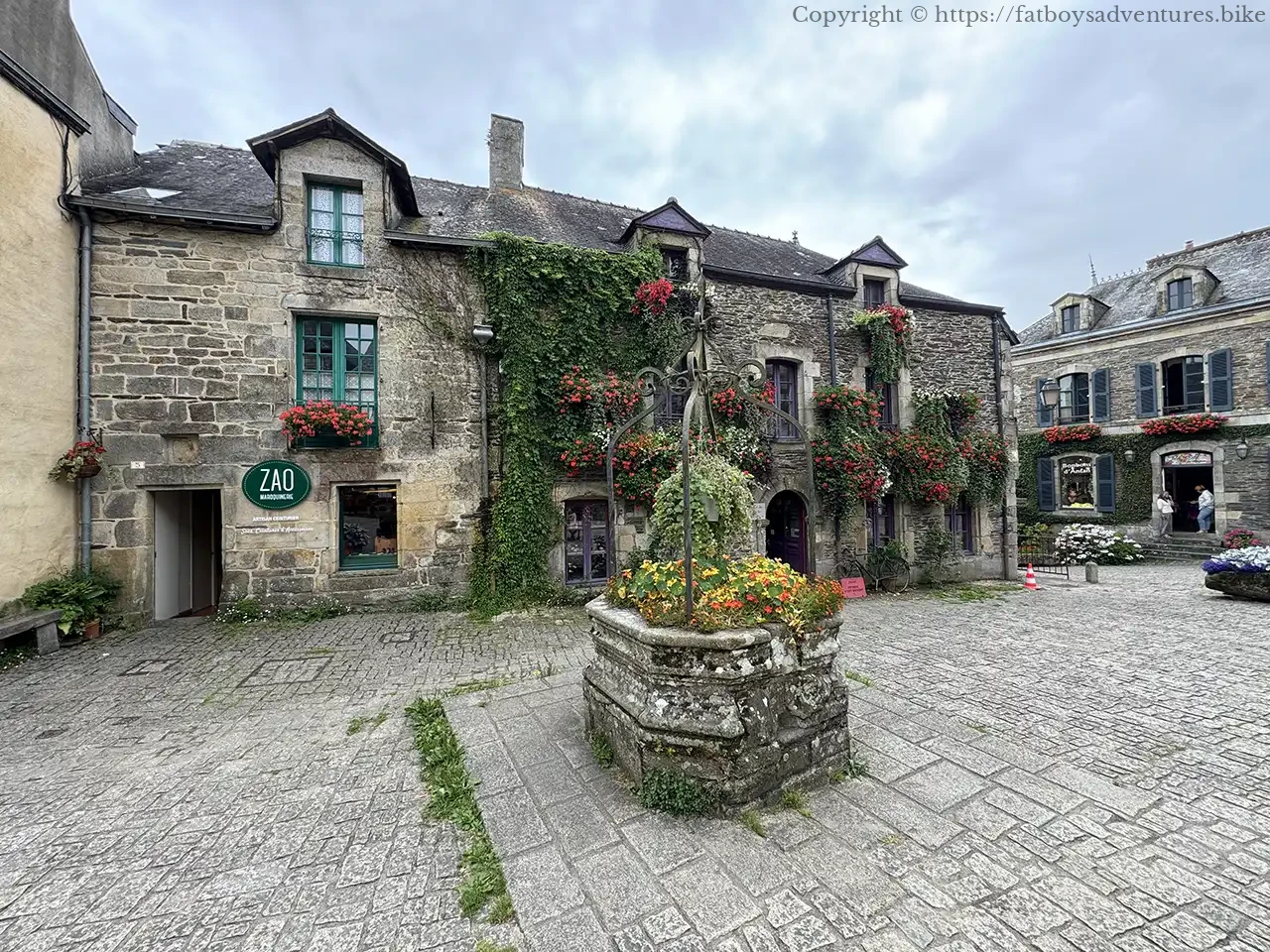
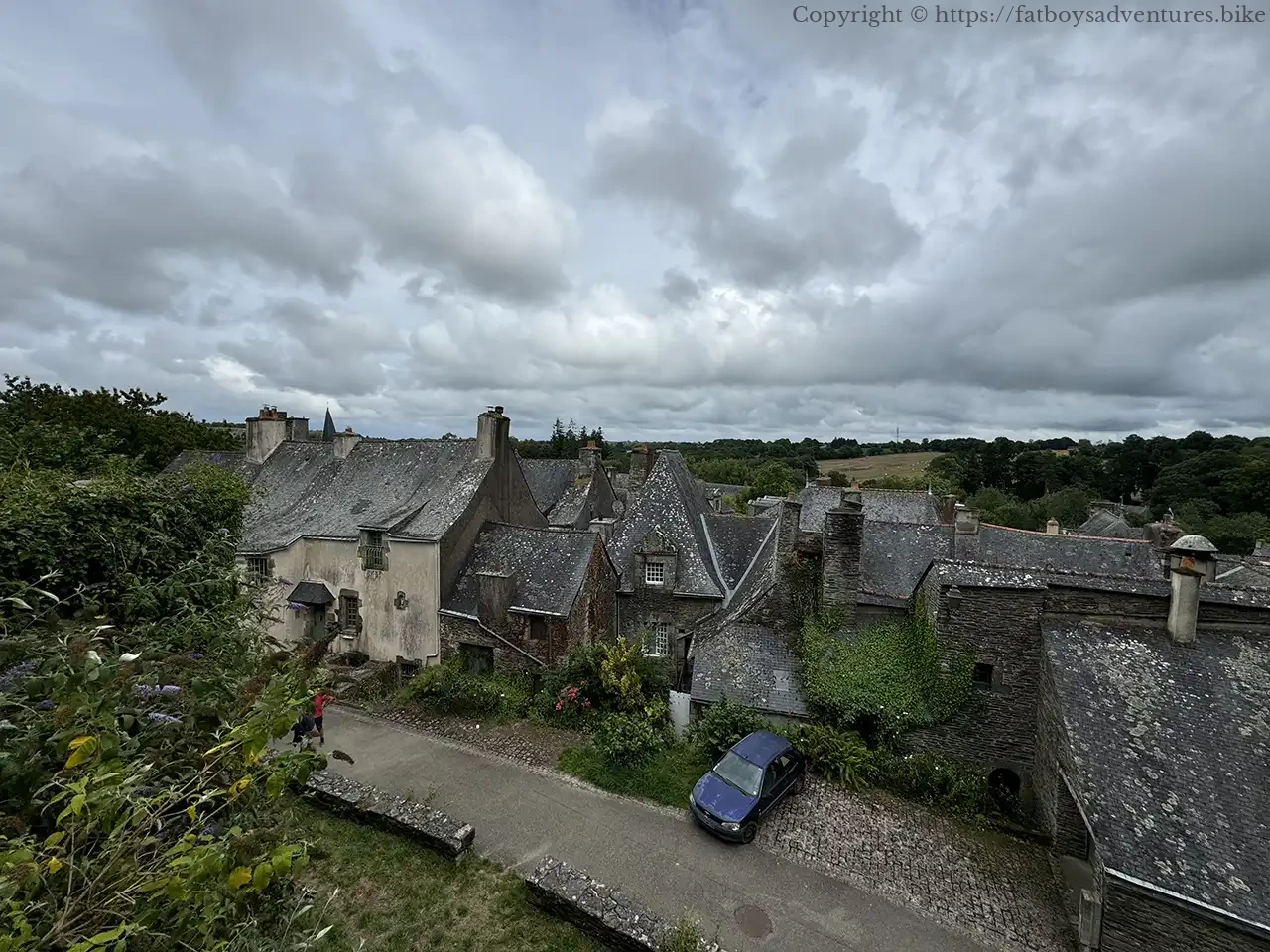
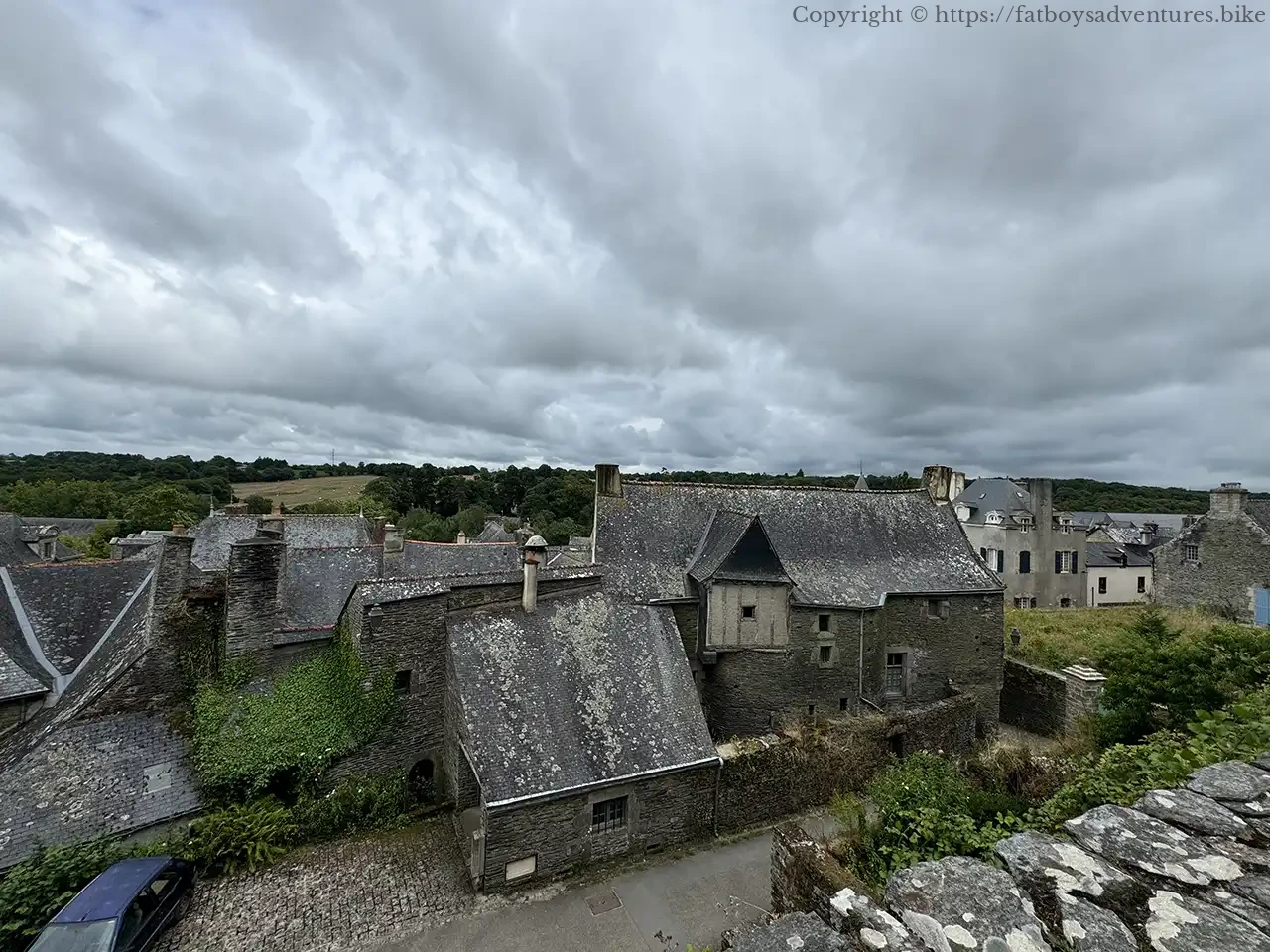
The next stop on the journey was Rochefort-en-Terre, a village perched on a hill in the Morbihan countryside. Like several places visited on this trip, Rochefort-en-Terre is listed among the most beautiful villages in France, and the architecture alone makes it worth the detour.

The streets are lined with granite houses and half-timbered buildings dating from the medieval and Renaissance periods. The village is famous for its summer displays of flowers, earning it the designation of a “4-Star Ville Fleurie”.

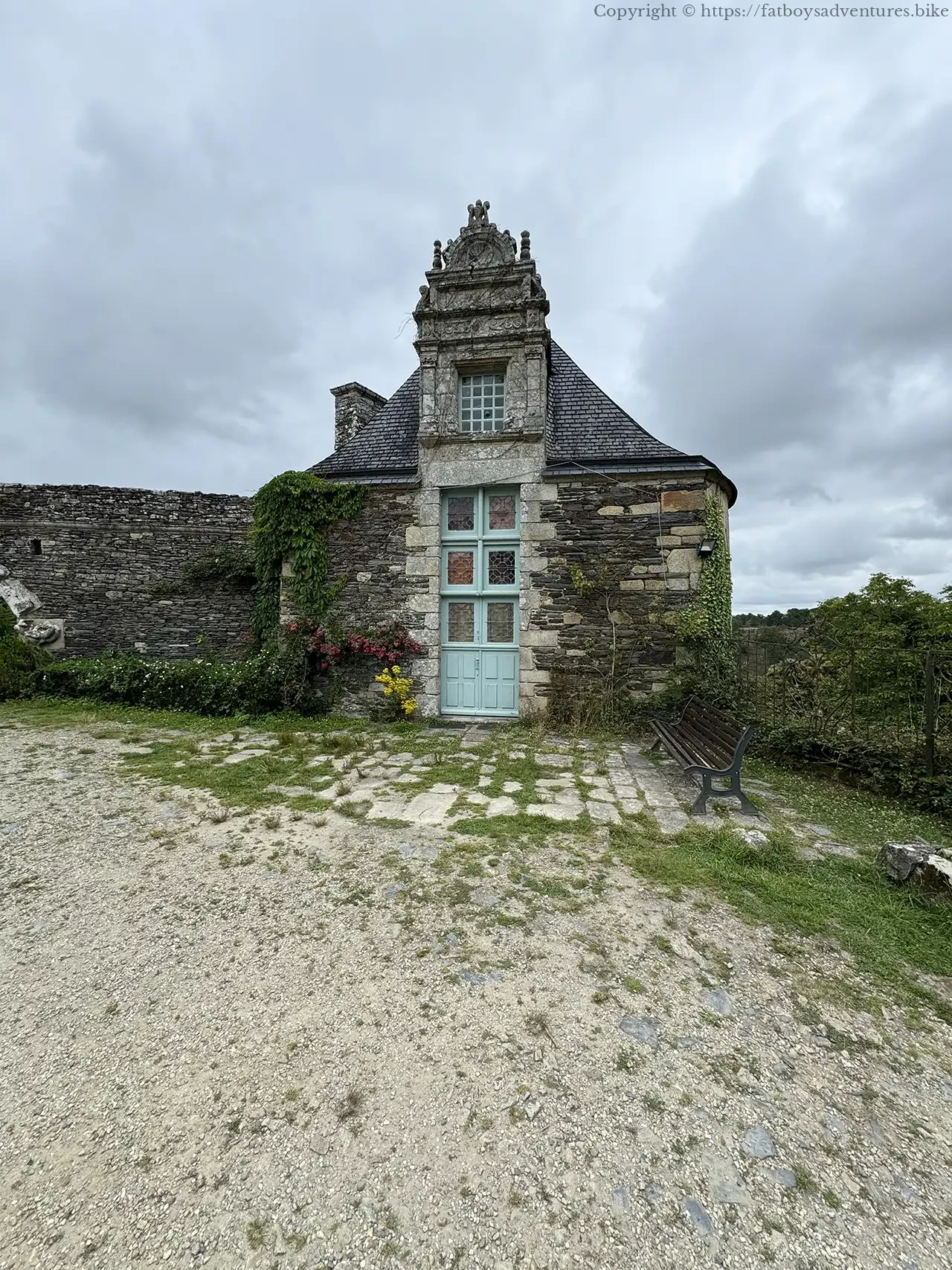
At the centre of the village stands the Château de Rochefort-en-Terre, originally built in the 12th century and later restored by the American painter Alfred Klotz in the early 20th century.


Final Night – Saint-Germain-le-Guillaume

The final night of the trip was spent in the quiet village of Saint-Germain-le-Guillaume, deep in the countryside of the Mayenne department. Compared with the historic towns and coastal villages visited earlier in the journey, this small rural village offered a peaceful place to end the trip before beginning the ride home.

After several days of riding across Brittany’s coastline, medieval towns and winding countryside roads, the quiet rural setting felt like the perfect conclusion to the journey.

#image_title

Why Brittany Is Perfect for Motorcycle Touring

Brittany might not have the towering mountain passes of the Alps or Pyrenees, but what it offers instead is something equally appealing for motorcycle riders: quiet roads, historic villages, dramatic coastline and a sense of discovery around almost every corner.

The region rewards riders who are happy to leave the main roads behind and explore the smaller lanes that wind through forests, farmland and ancient towns. Combined with the food, cider, seafood and relaxed atmosphere of the region, Brittany makes for an outstanding motorcycle touring destination that is often overlooked by riders heading further south.

Sometimes the best trips are not about chasing the highest mountains or the most famous roads, but simply about wandering through regions like this and enjoying the journey itself.

The Route and Itinerary

Download our 5 Day Brittany France Itinerary (PDF)

Take the long road home — miles today, stories tomorrow.
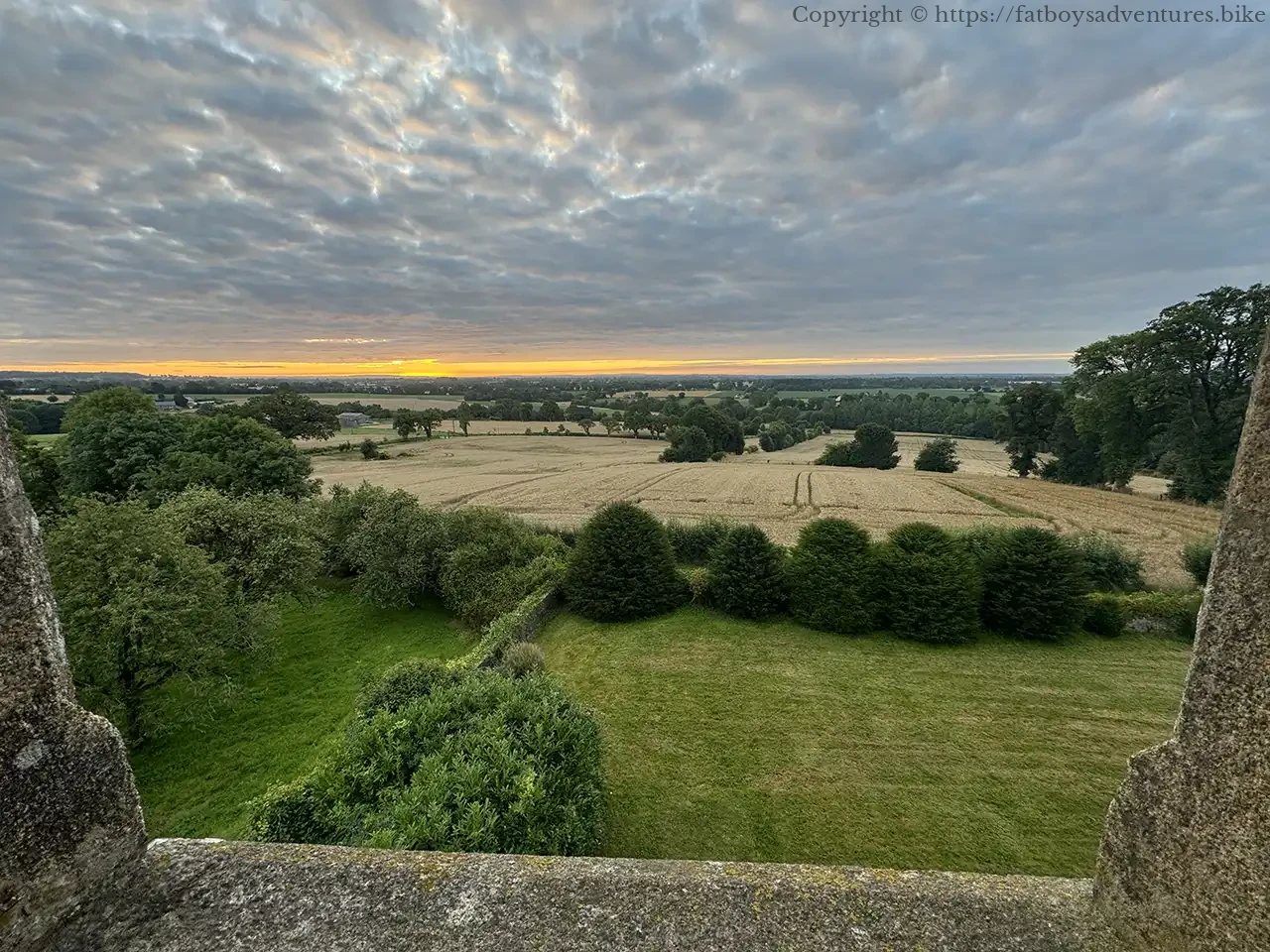
St Germain le Guillaume
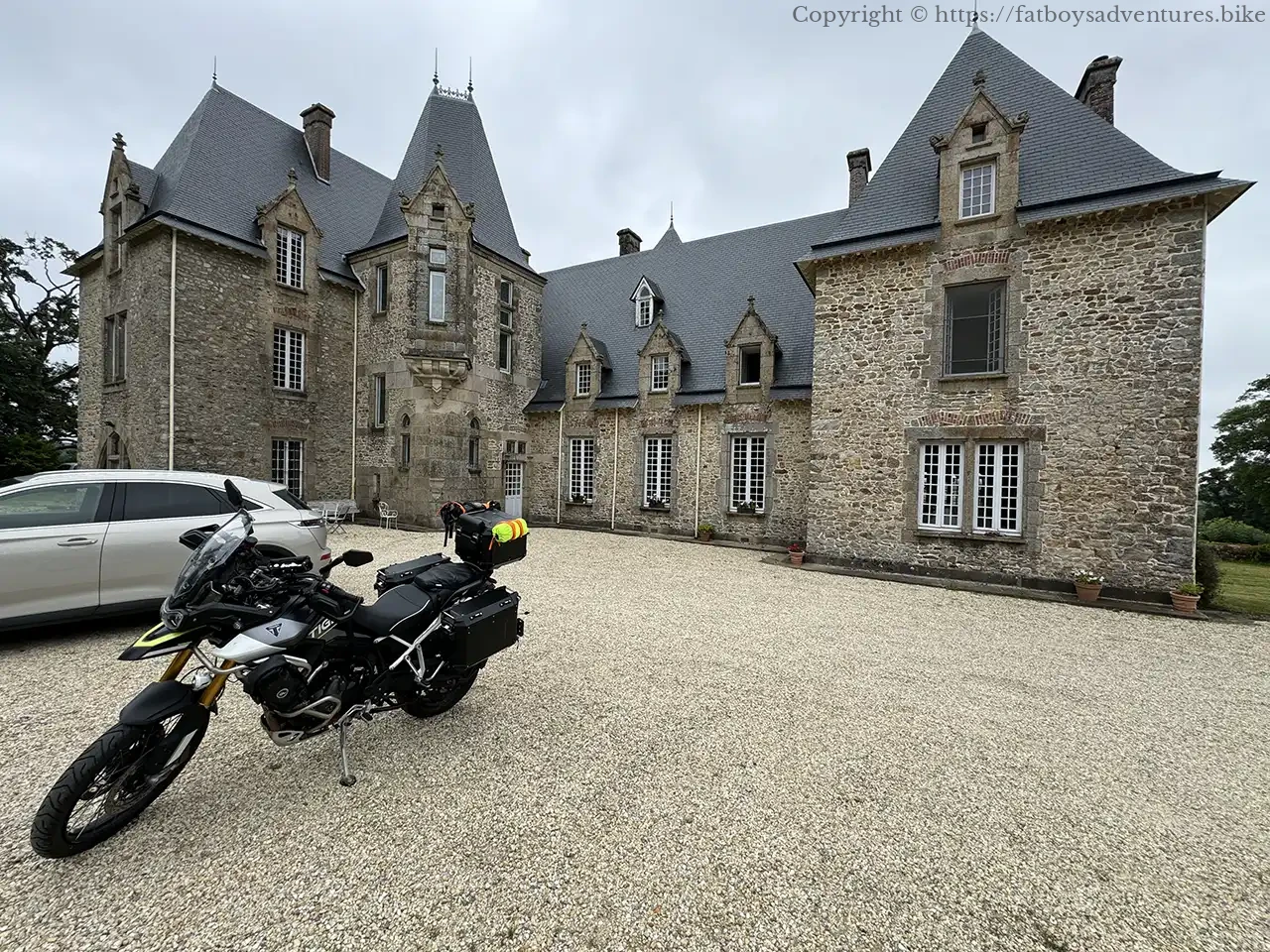
St Germain le Guillaume Triumph Tiger 900 Rally
St Germain le Guillaume 3
St Germain le Guillaume 2
Saint Suliac Slipway
Saint Suliac Church
Saint Suliac Church
Saint Suliac Church 1
Saint Suliac Beach
Saint Suliac Beach
Rochefort en Terre
Rochefort en Terre
Rochefort en Terre Town
Rochefort en Terre 12
Rochefort en Terre 11
Rochefort en Terre 10
Rochefort en Terre 9
Rochefort en Terre 8
Rochefort en Terre 7
Rochefort en Terre 6
Rochefort en Terre 5
Rochefort en Terre 4
Rochefort en Terre 3
Rochefort en Terre 2
Plougoumelen
Plougoumelen
Plage de Saint Guirec
Plage de Saint Guirec 2
Perros Guirec
Perros Guirec
Perros Guirec Town
Perros Guirec Town
Perros Guirec 3
Perros Guirec 3
Perros Guirec 2
Perros Guirec 2
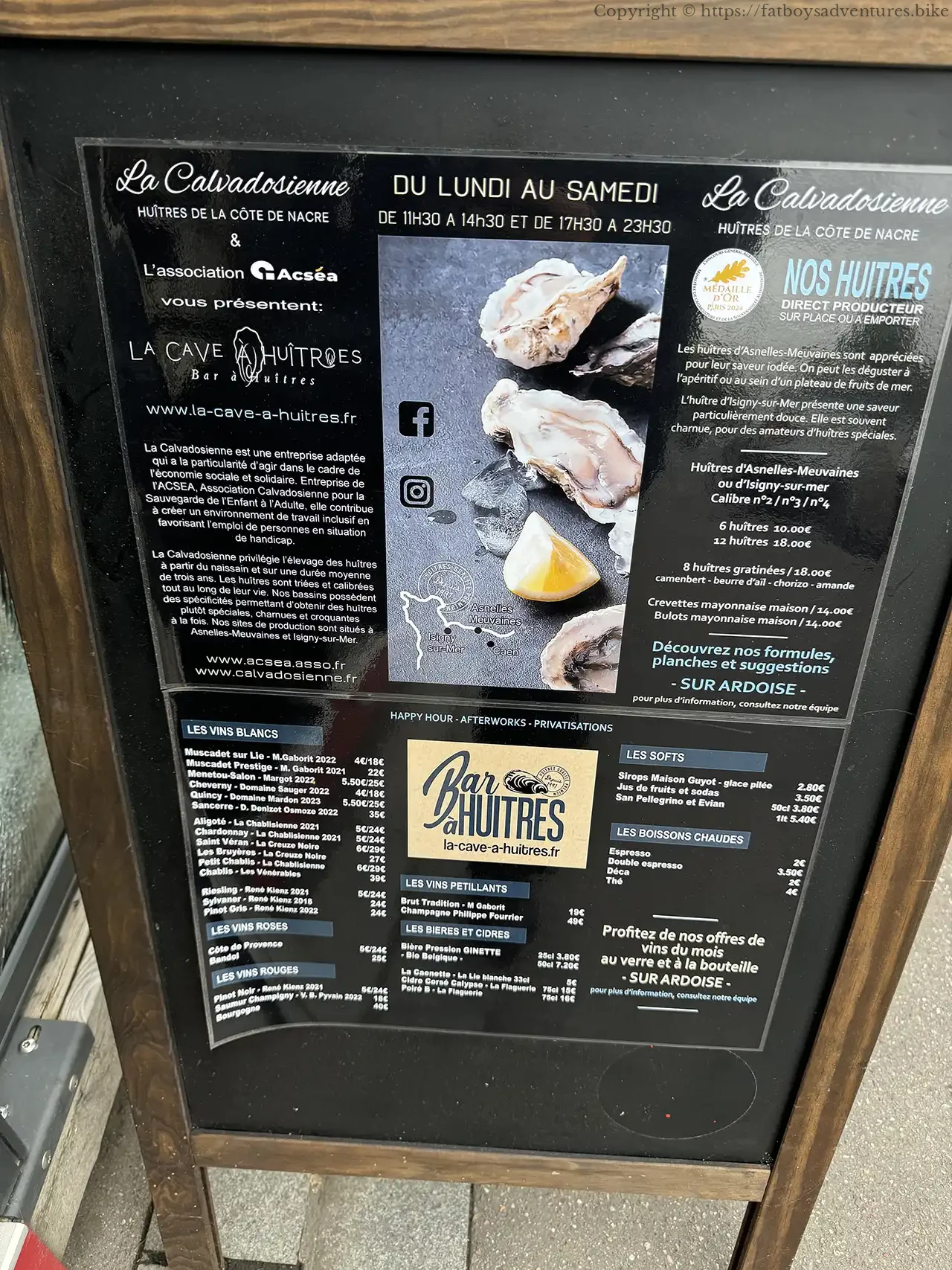
La Cave a Huitres Menu Caen
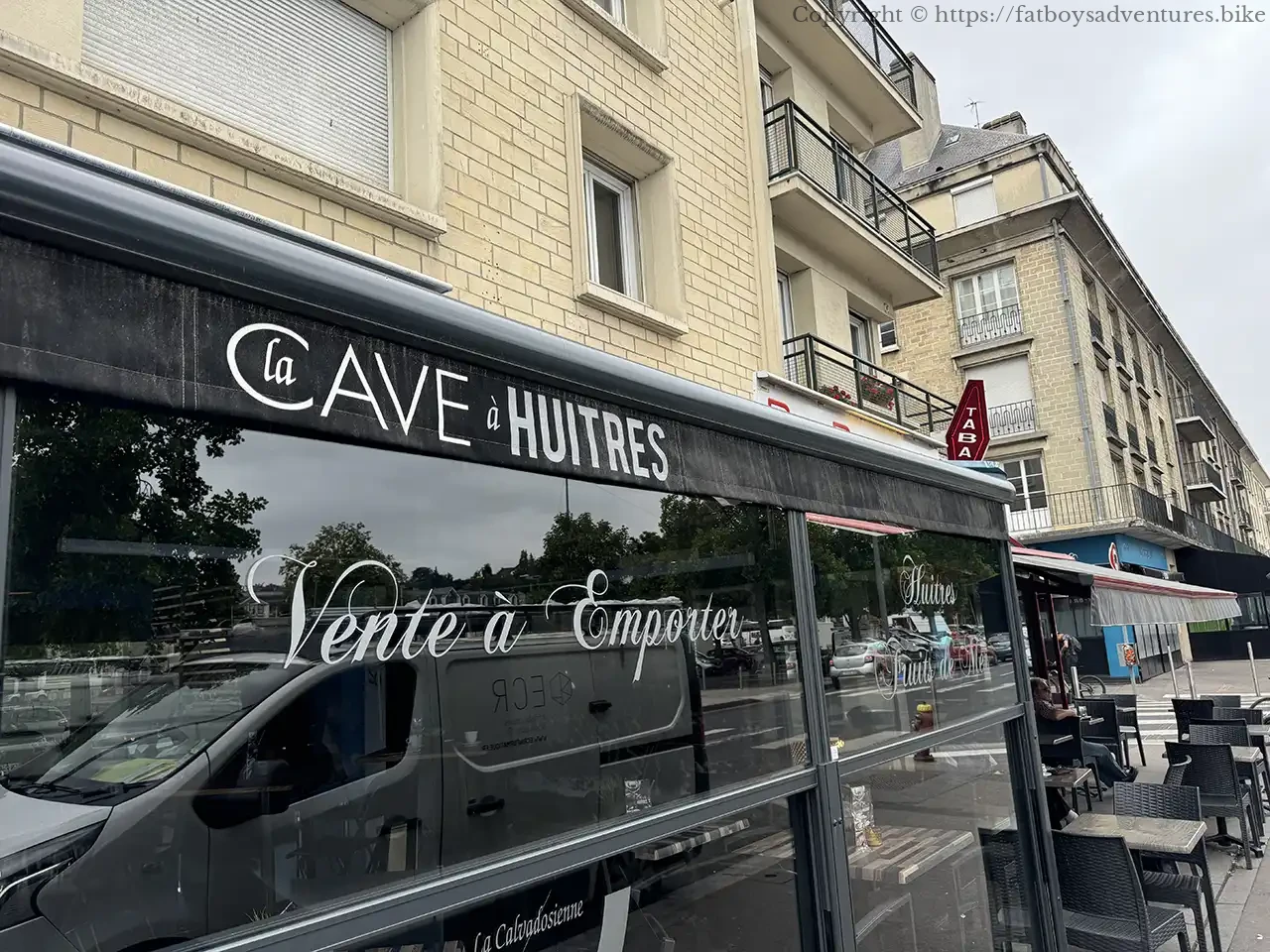
La Cave a Huitres Caen
Brittany 2024 Route
Brittany 2024 Route

Filed Under: EU TOURING

Recent Posts

  • Honda CRF 1100 Africa Twin Adventure Sports
  • D-Day Tour – Normandy France
  • Riding the Serra da Estrela – ACT Portugal Adventure
  • Best Motorcycle Roads in Somerset and Dorset
  • Brittany Motorbike Tour

Copyright © 2026 · Mai Influence on Genesis Framework · WordPress · Log in